



Antifreeze & Accessories
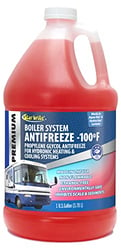


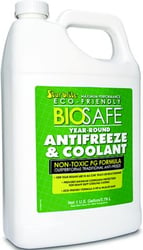
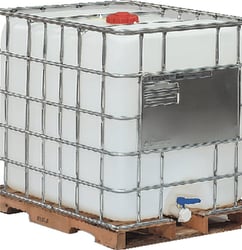
 Representative Photo, actual item may vary
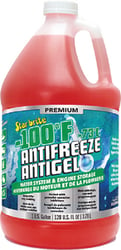
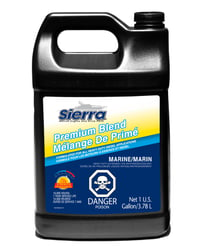

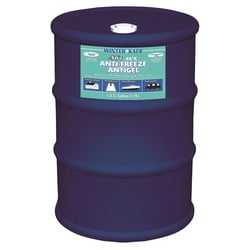
Star Brite 312G55 Antifreeze 50/50 Wintersafe Non-Toxic Propylene Glycol 55-Gallon Drum
 Representative Photo, actual item may vary

 Representative Photo, actual item may vary
 Representative Photo, actual item may vary
Quicksilver 8M0073197 Marine Engine Antifreeze & Coolant -50°F 55 Gallon Drum
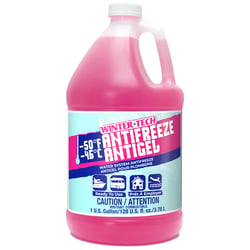
Star Brite 311250 Winter Tech -50°F Marine & RV Water System Antifreeze 250-Gallon Drum
Why Antifreeze Matters for RVs and Marine Engines
When temperatures drop, one of the greatest threats to a boat or RV isn't a storm — it's stagnant water sitting inside cooling systems, water lines, and engine blocks. Without proper protection, that water freezes, expands, and can crack engine blocks, burst pipes, and destroy plumbing systems that cost thousands of dollars to repair. Marine and RV antifreeze is the first line of defense during seasonal storage and winterization, and choosing the right product for your application can make the difference between a smooth spring launch and a costly repair bill.
What Marine & RV Antifreeze Does
Unlike the ethylene glycol-based antifreeze common in automotive radiators, most RV and marine antifreeze is formulated with propylene glycol — a non-toxic, environmentally safer compound that is safe for potable water systems, holding tanks, and sanitation lines. These products are designed to protect against both freezing and bursting at temperatures that can range from -50°F all the way down to -200°F depending on the formula. Beyond freeze protection, quality antifreeze also contains corrosion inhibitors that safeguard aluminum, copper, brass, and solder connections throughout the engine and plumbing system, without harming rubber seals or hose materials.
There are two primary types of antifreeze you'll encounter in this category:
- Water System / Winterizing Antifreeze: Non-toxic, propylene glycol-based formulas designed to be pumped through freshwater lines, holding tanks, water heaters, and raw-water-cooled engines during winterization. These are the pink or blue fluids you flush through the system and leave in place over winter.
- Engine Coolant / Closed System Antifreeze: Ethylene glycol-based coolants used in closed-loop cooling systems found on inboard and sterndrive engines. These provide long-term corrosion and freeze protection within the engine's sealed coolant circuit.
Key Considerations When Shopping
Before buying, identify whether your engine uses a raw-water (open) cooling system or a closed cooling system — this determines which type of antifreeze you need. Also consider the lowest temperatures your vessel or RV will be exposed to during storage, and match the burst-protection rating accordingly. Finally, look for products formulated with USP-grade ingredients and dyed for blow-through visibility, so you can confirm the antifreeze has fully flushed through every line.
Top Brands in Marine & RV Antifreeze
Starbrite is a leading name in marine maintenance products, offering a full range of non-toxic antifreeze options. Star brite antifreeze provides cold weather and corrosion protection for drinking water systems and engines, with a premium additive package that prevents corrosion of aluminum, copper, brass, and solder without harming rubber seals or hose materials. Their lineup even includes formulas delivering burst protection down to -200°F for water systems, RVs, and marine engines — making Starbrite a go-to choice for boaters facing extreme winter conditions.
Quicksilver brings decades of marine engineering expertise to their antifreeze and coolant lineup. The Quicksilver brand has been a leader in delivering engine oils, parts, and accessories to the marine industry for over 65 years, and is the premier supplier of Mercury Marine original equipment replacement parts and accessories. Their long-life coolant/antifreeze is formulated for use in all MerCruiser closed cooling systems in sterndrive and inboard gasoline engine applications, pre-diluted to a 50/50 mix with de-ionized water for convenient, ready-to-use protection.