



Barrel Bolts


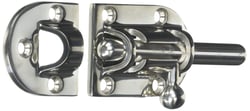

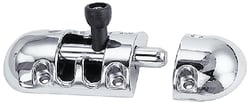
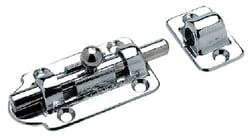
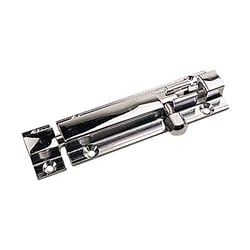
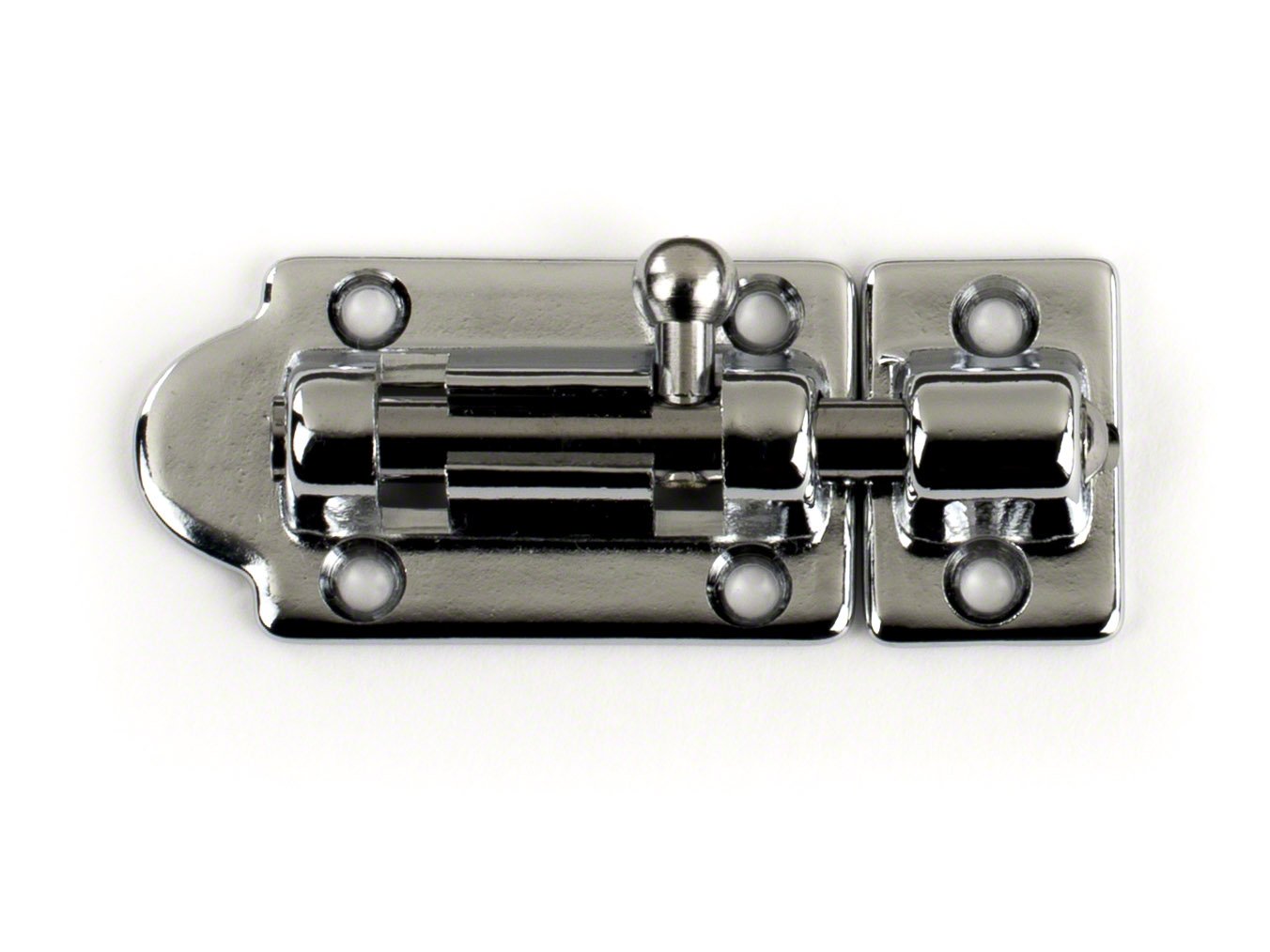 Representative Photo, actual item may vary

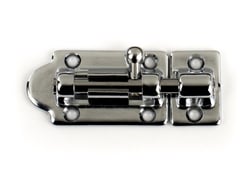
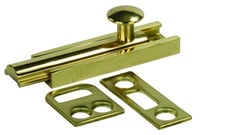



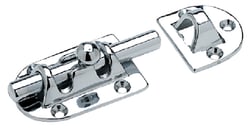
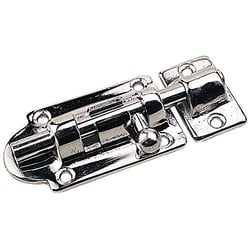
What Are Barrel Bolts — and Why Do Boats Need Them?
A barrel bolt is one of the simplest and most reliable latching mechanisms in marine hardware. It consists of a sliding bolt that mounts to a door or panel, and a keeper that mounts to the adjacent frame. When the bolt is extended, its end seats into the keeper and holds the door securely closed. The concept is straightforward — similar to what you might find on a wooden fence gate — but on a boat, the execution demands far more from the materials involved.
On the water, hardware faces relentless punishment. Salt spray, humidity, vibration, and constant exposure to the elements can cause ordinary hardware to corrode, seize, or fail in surprisingly short order. That's why marine-grade barrel bolts are engineered specifically for these conditions, typically constructed from chrome-plated bronze, 304 or 316 stainless steel, or other corrosion-resistant alloys.
Where Are Barrel Bolts Used on a Boat?
Barrel bolts serve an impressive variety of roles aboard recreational and commercial vessels. Common applications include:
- Transom and dive doors — keeping entry points secured while underway
- Galley cabinets and drawers — preventing doors from swinging open in rough seas
- Engine box lids — securing access panels against vibration and wave action
- Cabin doors and lockers — providing quick, one-handed latching with no separate lock required
- Hatches and bulkheads — offering a primary or secondary layer of security
Many barrel bolts can be operated from only one side, making them especially practical for interior compartments. Some designs feature spring-loaded mechanisms for faster one-touch operation, while others include a friction pad or detent to prevent rattling underway — a small detail that makes a noticeable difference over a long day on the water.
Choosing the Right Marine Barrel Bolt
Not all barrel bolts are created equal, and selecting the right one comes down to a few key factors. Material is the most critical consideration: 316 stainless steel is widely regarded as the superior choice for saltwater environments due to its molybdenum content, which provides enhanced resistance to pitting and crevice corrosion. Chrome-plated bronze is another proven option, offering excellent durability and a polished appearance well-suited to cabin and interior hardware.
Mounting style also matters — some barrel bolts feature visible fasteners for straightforward installation, while others use hidden fasteners for a cleaner, more finished look. Additionally, consider whether you need vertical or horizontal operation, and whether a spring-loaded or twist-lock style best suits the application.
Top Brands in Marine Barrel Bolts
When it comes to trusted manufacturers in this category, a few names consistently stand out:
Perko has been producing quality marine hardware in the USA since 1907, earning a long-standing reputation among boaters for durability and craftsmanship. Their barrel bolt lineup includes both Slim Barrel Bolts — available with either visible or hidden mounting holes — and heavy-duty cast bronze models. Perko barrel bolts feature an integral friction pad that eliminates rattle and provides smooth, reliable operation, and their chrome-plated zinc alloy and bronze finishes keep their appearance sharp even after years of marine use.
Sea-Dog Line is a third-generation family business with a broad catalog of marine hardware built for both recreational and commercial boating applications. Their barrel bolts are designed to serve as either a primary or back-up latching system on doors, gates, and cabinets, and are suitable for vertical, horizontal, left-hand, or right-hand installations. Sea-Dog products are constructed from marine-grade materials including stainless steel, investment cast bronze, and UV-resistant polymers.
Seachoice rounds out the category with a value-oriented selection of marine hardware that makes corrosion-resistant barrel bolts accessible to a wide range of boaters. Their offerings provide a practical solution for boat owners looking to replace worn hardware or upgrade multiple access points without breaking the budget.