



Bilge/Engine Heaters
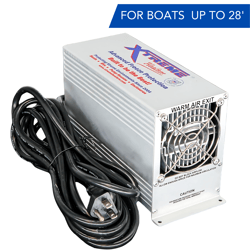

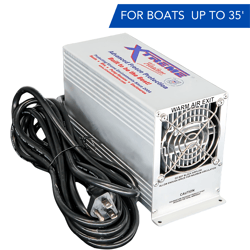
Xtreme Heaters XXXHEAT800 800W Compartment Heater for Boats, RVs, and Marine Applications
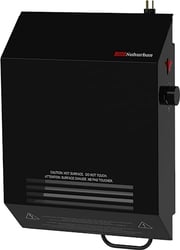

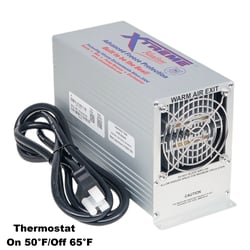
Xtreme Heaters XXXXHEAT-1000 XLarge 1000W 120V Compartment Heater Industrial Freeze Protection
 Representative Photo, actual item may vary
Xtreme Heaters XSHEAT-250 Compact Compartment Heater 250W 120V Freeze Protection
When temperatures drop, the enclosed spaces on a boat or RV are among the first places to suffer. Water trapped in an engine block, raw-water plumbing, or a cooling system can freeze and expand, cracking castings and splitting hoses. Bilge and engine compartment heaters exist to prevent that damage by keeping the space above freezing, whether a vessel is in winter storage or simply faces a surprise cold snap before haul-out.
What Bilge and Engine Heaters Do
A bilge heater is a compact, thermostatically controlled electric heater designed to be mounted in an engine room, bilge area, or similar enclosed compartment. Most plug into shore power and cycle on and off automatically as the surrounding air temperature changes. Beyond freeze protection, a steady low level of warmth also helps reduce condensation, which in turn limits mold, corrosion on electrical connections, and musty odors in closed compartments. The same principle applies to RV utility bays, pump houses, and other tight spaces where plumbing or equipment needs protection.
Key Considerations When Shopping
- Ignition protection: Engine compartments can contain fuel vapors, so a heater used there should be built and rated for that environment rather than adapted from a household space heater.
- Self-regulating elements: Heaters using a self-limiting PTC element are designed so they cannot overheat, which is a valuable safety feature in a confined space.
- Forced air vs. radiant heat: Fan-driven designs circulate warm air through the compartment, which tends to heat more evenly than a heater relying on radiant warmth alone.
- Wattage and compartment size: Smaller wattages suit runabouts and compact engine bays, while larger boats, wide beams, or separate engine rooms and lazarettes may call for higher output or more than one heater.
- Construction: Look for corrosion-resistant housings, marine-rated power cords, and sealed electronics, since bilge environments are damp and often salty.
- Mounting and placement: Secure mounting keeps the heater clear of standing water and allows airflow to reach the engine, batteries, and plumbing you want to protect.
Brands to Know
Xtreme Heaters focuses on marine engine compartment heating. Its bilge heaters are forced-air units offered in small, medium, and large wattages to match different boat lengths, and the company highlights a self-regulating PTC heating element, a fully anodized aluminum case, and ignition-protected construction suited to engine compartments.
Suburban Mfg brings decades of RV climate-control experience to the category. Founded in 1947 in Dayton, Tennessee, the company is best known for RV furnaces, water heaters, and cooking appliances, so its heating products are engineered around the realities of life in recreational vehicles.
Using a Heater Safely
Always connect a bilge heater to a properly protected, grounded circuit, follow the manufacturer's clearance and mounting guidance, and keep the heater free of debris, rags, and other combustibles. Check the unit at the start of each cold season, and remember that a heater is one part of a winterization plan: it complements, rather than replaces, proper antifreeze protection and draining where the climate demands it. Because heater needs vary with boat size, engine count, and local climate, matching output to the space you are protecting is the best way to get dependable, worry-free results all season.