



Bulk Rope - Braided

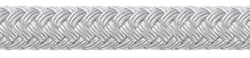
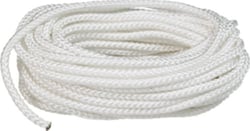

SeaSense 50014043 Hollow Braid Polypropylene Rope 1/2" x 500' White Bulk Spool

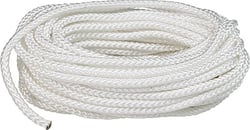
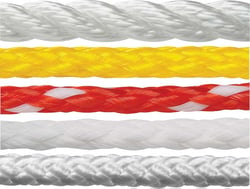
 Representative Photo, actual item may vary

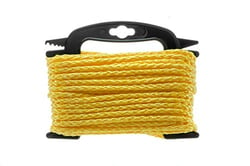

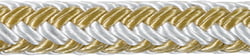
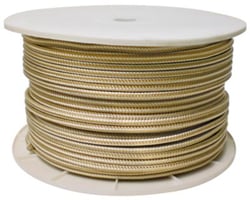
Samson 468024360030 HarborMaster Double Braid Nylon Rope 3/8" x 600' Gold/White
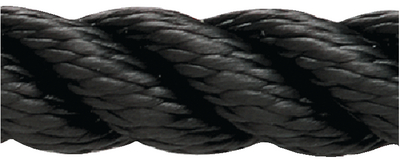 Representative Photo, actual item may vary
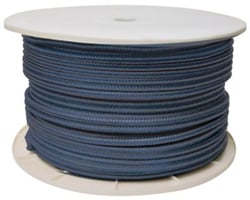
New England Ropes C2113-10-00600 Sta-Set Double Braid Rope 5/16" x 600' Blue Fleck

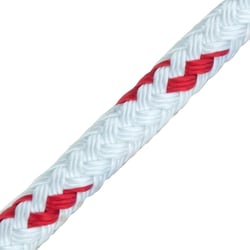
New England Ropes C2100-12-00600 Sta-Set 3/8 Inch x 600 Feet White Double Braid Polyester Rope
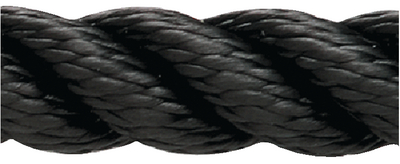 Representative Photo, actual item may vary
New England Ropes C2100-06-00600 Sta-Set X Polyester Double Braid Rope 3/16" x 600' White

Bulk Braided Rope for Marine Anchoring & Docking
Whether you're outfitting a fishing skiff, a sailboat, or a full-service marina, bulk braided rope is one of the most fundamental supplies on the water. Sold by the foot or on large spools, bulk rope lets boaters cut custom lengths for anchor lines, dock lines, fender ties, and countless other onboard tasks — eliminating the guesswork and waste that comes with pre-packaged lengths.
Why Braided Construction Matters
Not all marine rope is created equal. Braided rope differs fundamentally from twisted (laid) rope in both construction and performance. In a braided design, strands are interwoven in a tight, uniform pattern — either as a single braid, a double braid (braid-on-braid), or a hollow braid. This construction delivers several practical advantages for boaters:
- Flexibility: Braided rope is easier to handle, coil, and run through cleats or blocks compared to stiffer twisted rope.
- Strength: The interlocking braid pattern distributes load evenly across strands, resisting the kind of unraveling that can occur in laid rope under heavy tension.
- Abrasion Resistance: A tight outer braid sheds chafe from dock edges, anchor rollers, and rough cleats far better than an exposed twisted strand.
- Low Stretch (varies by material): Polyester braided ropes offer minimal elongation, keeping dock lines snug and anchor rodes predictable under load.
- Clean Appearance: The smooth, round profile of braided rope is easier to inspect for wear and looks tidy on deck or at a dock cleat.
Choosing the Right Braided Rope
When selecting bulk braided rope, consider the intended application first. Anchor lines benefit from a double-braid polyester or nylon construction — nylon's inherent elasticity absorbs the shock loads that occur when a boat tugs against its anchor in chop or current. Dock lines similarly benefit from nylon's shock absorption. For utility uses like fender ties, flag halyards, or equipment lashing, a polypropylene hollow braid offers a cost-effective, lightweight, and water-resistant option. Diameter matters too: match the rope's working load rating to the size of your vessel and the severity of conditions you typically encounter.
Top Brands in Bulk Braided Rope
Several trusted manufacturers lead this category with products built specifically for the demands of the marine environment.
Seachoice is a leading brand in this category, offering a broad range of braided rope options designed to balance affordability and dependable performance. Their bulk rope lines are popular among recreational boaters and marina operators alike for everyday anchoring and docking tasks.
Samson is a legendary name in professional-grade cordage, with decades of innovation in high-performance rope technology. Their braided ropes are engineered to exacting standards and are trusted by commercial marine operators, riggers, and serious sailors who demand consistent strength and durability.
New England Ropes brings a long heritage of American rope-making to the marine market. Known for quality construction and a wide variety of fiber options, their braided ropes are a favorite among sailors and powerboaters who want proven reliability for anchor rodes, dock lines, and running rigging.
Buy Bulk, Rig Smart
Purchasing braided rope in bulk is the smart choice for anyone who goes through rope regularly — from marina managers replacing seasonal dock lines to cruising sailors building out a full ground tackle system. Having the right rope on hand, cut to the exact length you need, means your vessel is always properly rigged and ready for whatever the water brings.