



Dehumidifiers



 Representative Photo, actual item may vary

 Representative Photo, actual item may vary
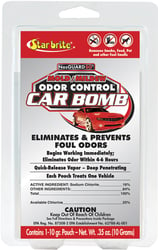
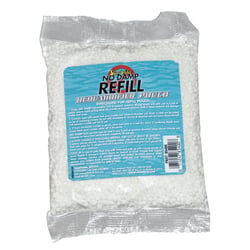
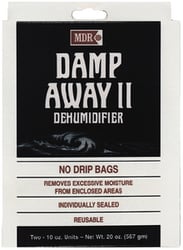

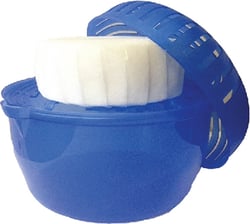

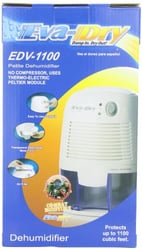
 Representative Photo, actual item may vary
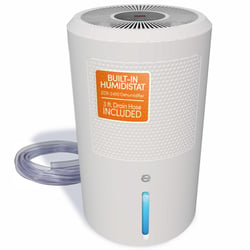
Momentum Performance EDV-2400 Mid-Size Portable Electric Dehumidifier with Humidistat 2400 Cu Ft
 Representative Photo, actual item may vary

Why Dehumidifiers Matter for Boats and RVs
Moisture is one of the most relentless enemies of any boat or RV. Whether your vessel is out on the water, parked at a marina, or tucked away in winter storage, enclosed spaces naturally trap humid air — and that humidity quietly works against you. Left unchecked, excess moisture leads to musty odors, mold and mildew growth, corrosion on metal fittings, stains on upholstery, and damage to electronics and wooden surfaces. A quality dehumidifier is one of the simplest, most cost-effective ways to protect your investment.
Types of Marine & RV Dehumidifiers
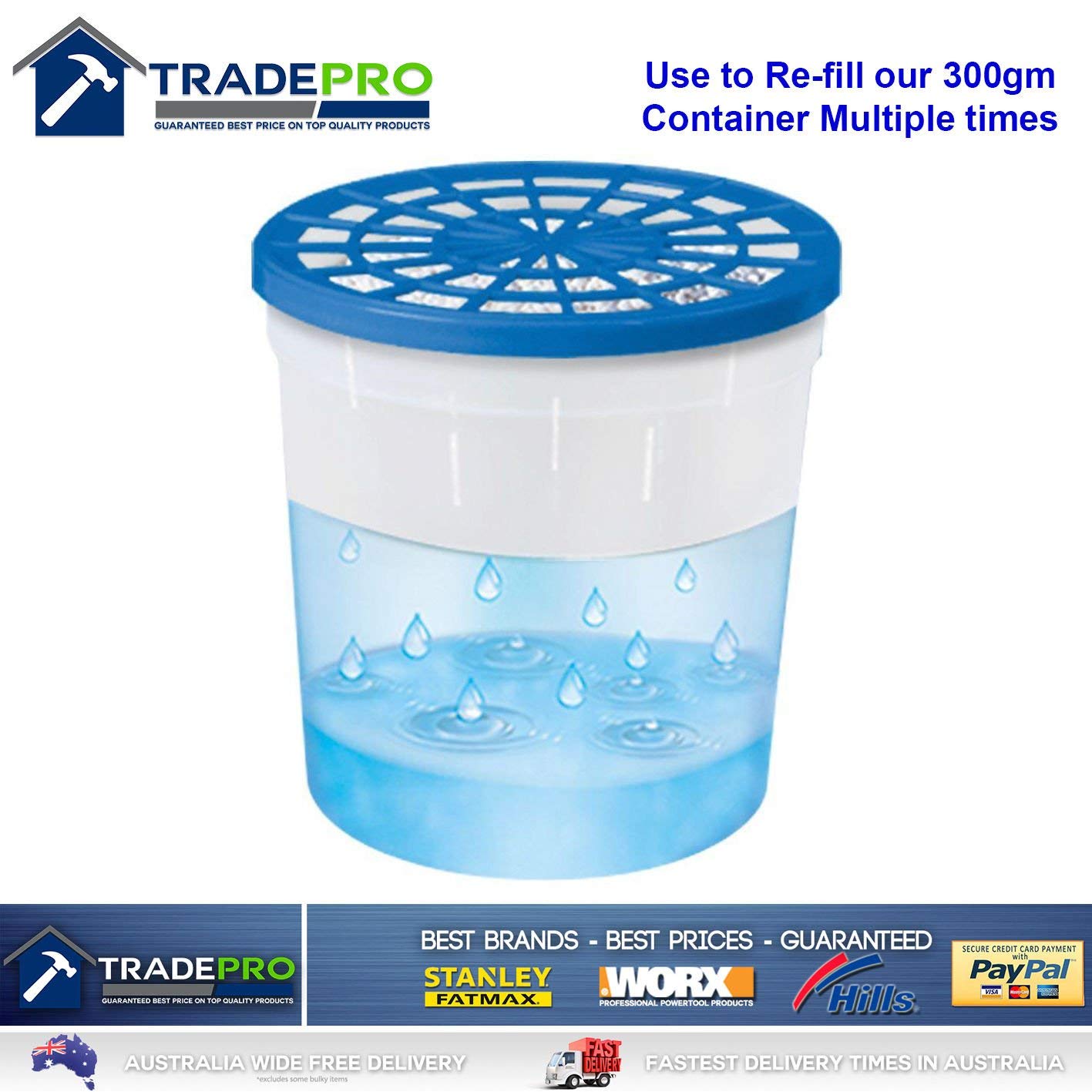
Dehumidifiers for boats and RVs generally fall into two main categories: desiccant/chemical dehumidifiers and electric/compressor-based dehumidifiers. Desiccant models — such as crystal- or pellet-based units — are passive, require no power source, and work particularly well in cabins, heads, closets, and storage lockers. They are compact, easy to place, and ideal for seasonal storage situations. Electric dehumidifiers, on the other hand, use refrigeration or thermoelectric technology to actively pull moisture from the air and are better suited for larger living areas or full-time liveaboards where shore power is available.
What to Look for When Shopping
- Coverage area: Match the unit's rated cubic footage to your space. A small crystal unit may cover 900–1,800 cubic feet, while an electric model can handle much larger areas.
- Power requirements: Passive desiccant units need no electricity, while compressor-based units require 12V DC or shore power.
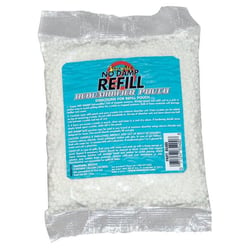
- Maintenance: Some crystal-based units are refillable and reusable; others are disposable. Consider ongoing supply costs.
- Drainage: Electric units need a drain path — either overboard via a thru-hull or to a collection reservoir.
- Installation footprint: In tight RV or boat cabins, a compact or hangable design can be far more practical than a freestanding unit.
Top Brands in RV & Marine Dehumidifiers
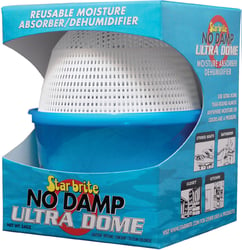
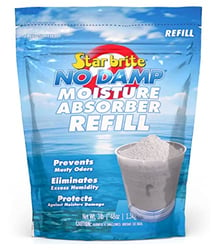
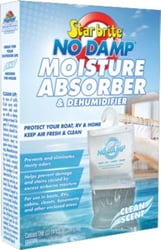
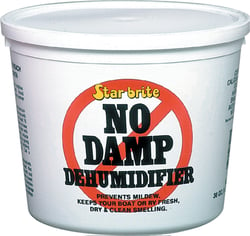
Star Brite is a household name in marine and RV care with over 50 years of experience. Their No Damp line of moisture absorbers is available in multiple sizes — from 12 oz. tubs ideal for small cabins and closets to 36 oz. buckets suited for larger salons and engine rooms — making it easy to find the right solution for any space aboard.
Rainier Precision produces the well-known Dri-Z-Air line of dehumidifiers, a favorite among RV and boat owners for decades. Their units use calcium-chloride crystals to draw moisture from the air quietly and effectively, with a compact 360° venting design that maximizes airflow — and replacement crystal packs keep the units running season after season.
Resideo by Honeywell brings the trusted Honeywell Home engineering pedigree to whole-home and large-space dehumidification. Their ducted and standalone dehumidification systems are backed by rigorous testing and are well regarded for reliability, making them a strong choice when larger, powered humidity control is needed in a motorhome or onboard living space.
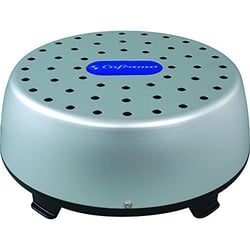
Caframo is a respected Canadian marine accessories manufacturer known for combining smart engineering with practical boat solutions. Their dehumidification products are designed specifically with the marine environment in mind, making them a dependable choice for boaters who need purpose-built moisture control.
Keystone rounds out the category with a broad selection of dehumidifier options, offering wide availability across various form factors and use cases for RV and marine applications.