



Dust/Particulate Respirators


Why Dust & Particulate Respirators Matter for Maintenance Work
Whether you're sanding down a hull, scuffing a body panel before primer, grinding welds in a garage, or sweeping out a shop floor, airborne dust and particulates are an invisible hazard that no serious DIYer or professional should ignore. Dust/particulate respirators are a foundational piece of personal protective equipment (PPE) designed to filter out harmful airborne particles before they reach your lungs — protecting your long-term respiratory health during even routine maintenance tasks.
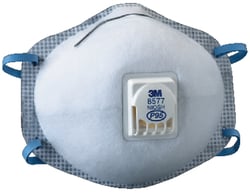
Unlike simple cloth face coverings, purpose-built particulate respirators are engineered and rated to filter specific particle sizes. NIOSH-rated respirators — such as the widely recognized N95 standard — are tested and approved to filter at least 95% of airborne particles, making them a trusted choice for sanding, grinding, fiberglass work, and dusty prep jobs. Understanding the difference between a basic dust mask and a certified particulate respirator is one of the most important steps a maintenance worker can take.
Choosing the Right Respirator for Your Job
Not all respiratory protection is created equal, and matching the right product to your task is critical. Here are key considerations when shopping this category:
- Disposable vs. Reusable: Disposable respirators are convenient for short or occasional tasks, while reusable elastomeric models with replaceable filters are more cost-effective for frequent, extended use.
- Filtration Rating: N95 is the standard for most shop and maintenance work, filtering non-oil-based particles. For environments with oil mist or chemical vapors, look for higher-rated or combination cartridge filters.
- Fit & Seal: A respirator is only as good as its seal against your face. Look for models with adjustable nose bridges, multi-point head straps, and contoured face pieces for a secure fit.
- Comfort for Extended Wear: Low-profile cup designs, soft nose foam, and exhalation valves reduce heat and moisture buildup, making it easier to wear protection throughout a long workday.
- Task-Specific Needs: Boatyard work, automotive bodywork, and general shop maintenance each present different particulate profiles. Always match your respirator's rating to the hazards on the label and the manufacturer's guidance.
Top Brands in Dust & Particulate Respirators
3M is one of the most recognized names in respiratory protection worldwide. Their extensive lineup of particulate respirators — including the iconic N95 cup-style disposables and reusable half-facepiece models — are engineered with features like cool-flow exhalation valves and cushioned nose foam for all-day comfort. 3M respirators are a go-to choice for automotive body shops, marine maintenance, and general industrial use.
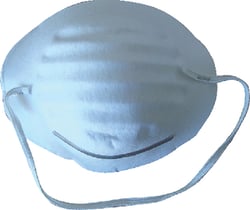
Redtree Industries brings decades of marine-focused expertise to their dust mask lineup. Founded in 1976, Redtree has built its reputation around tools and supplies specifically engineered for marine coatings and maintenance environments, making their lightweight disposable dust masks a practical choice for boaters and marina professionals working around fiberglass, bottom paint, and sanding dust.