



Electrical/Battery Clips
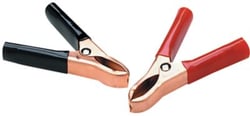

What Are Electrical & Battery Clips?
Electrical and battery clips are the unsung heroes of any RV or marine electrical system. These small but essential components create the temporary or semi-permanent connections between a battery and the devices, wiring harnesses, or charging sources that depend on it. Whether you’re jump-starting a trolling motor, testing a circuit, or maintaining a reliable power hookup aboard your vessel or recreational vehicle, having the right battery clip on hand can mean the difference between smooth sailing and a frustrating breakdown.
Why Battery Clips Matter on the Water and the Road
Marine and RV environments are uniquely demanding. Constant vibration, moisture, salt air, and wide temperature swings put ordinary electrical hardware to the test. A clip that performs flawlessly in a garage might corrode, loosen, or fail entirely after a season on the water or out on the highway. That’s why clips designed specifically for RV and marine use are built with corrosion-resistant materials — often copper or copper-plated steel — and generous jaw openings that grip battery terminals firmly even under rough conditions.
When shopping for battery clips, keep these factors in mind:
- Material: Copper and copper-plated clips offer superior conductivity and better resistance to corrosion compared to bare steel alternatives.
- Amperage rating: Match the clip’s rated amperage to your application — undersized clips can overheat or cause voltage drop.
- Jaw size: A wider jaw opening accommodates a broader range of terminal styles and post sizes, adding versatility.
- Color coding: Red and black clips help prevent accidental reverse polarity connections, a must-have safety feature in any marine or RV setting.
- Build quality: Look for spring tension that holds securely without slipping, especially in high-vibration environments like powerboats or tow vehicles.
Top Brands in Electrical & Battery Clips
Keystone is a well-established name in battery contact and clip technology. Keystone Electronics brings decades of precision manufacturing expertise to its line of battery clips and contacts, offering a wide variety of form factors — from cylindrical spring contacts to leaf-spring designs — built to consistent, reliable standards for demanding electrical applications.
Seachoice has grown from a marine OEM replacement-parts supplier into one of the most recognized names in the boating accessories market. Seachoice battery clips are purpose-built for marine use, featuring copper-plated construction for excellent conductivity and corrosion resistance. Their clips are designed to work with all battery-operated electrical devices, making them a practical, versatile choice for boaters and RV owners alike.
Keeping Your Electrical System Connected
A solid electrical connection starts at the battery. Whether you’re rigging up a new boat, maintaining an aging RV, or simply keeping a spare set of clips in your gear bag for emergencies, investing in quality battery clips from trusted marine and RV brands ensures your electrical system stays reliable whenever and wherever you need it most.