



Epoxy Putties & Putty
 Representative Photo, actual item may vary

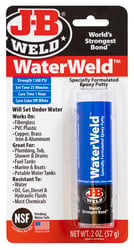

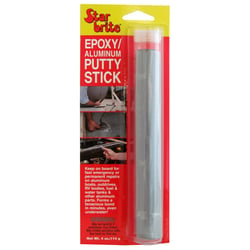

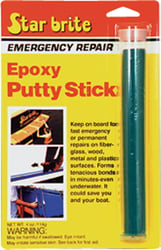
What Is Epoxy Putty and Why Does It Matter for RV & Marine Maintenance?
Whether you're dealing with a cracked hull, a leaking fitting, a stripped fastener, or a stress gouge on an RV shell, epoxy putty is one of the most versatile repair compounds in any boat owner's or RV enthusiast's toolkit. Epoxy putty is a two-part compound — a resin and a hardener — that, once mixed together, undergoes a chemical reaction to form a hard, durable, and waterproof bond capable of standing up to the toughest conditions on the water or the road.
What separates marine-grade epoxy putties from standard hardware-store varieties is their formulation for harsh environments. Marine epoxy differs from standard epoxy because it can withstand harsh marine conditions, such as saltwater, UV light, and extreme temperatures — making it the go-to choice for boat building, repair, and maintenance. Once fully cured, the material becomes an extremely strong, waterproof, and chemically resistant substance ready for the demands of open-water use.
The putty format itself offers distinct advantages over liquid epoxies in wet or emergency situations. Epoxy putty stays where you press it instead of running off the repair zone, can displace a thin water film during application, and allows quick hand-formed rebuilding around irregular surfaces. These characteristics make it invaluable for emergency leak mitigation in marine equipment, tanks, piping, and general field repairs where a dry dock isn't immediately available.
Common Applications Aboard Boats and RVs
- Repairing hull gouges, cracks, and holes in fiberglass, wood, or aluminum
- Fixing leaks in fuel tanks, water tanks, and piping
- Reinstalling loose or stripped fasteners
- Bonding dissimilar metals without galvanic corrosion
- Rebuilding worn or damaged engine components
- Filling chips and stress cracks in RV fiberglass shells
- Emergency below-the-waterline repairs
What to Look for When Choosing Epoxy Putty
Not all epoxy putties are created equal. For marine and RV use, look for formulations that specifically advertise waterproof and chemical resistance, the ability to bond to multiple substrates (fiberglass, aluminum, wood, and plastics), and workability on vertical surfaces without sagging. Temperature range is also critical — most products should be applied in temperatures above 55°F for a proper cure. For critical structural repairs, a layered approach is often best practice: a liquid epoxy primer to seal the substrate, followed by putty to fill and shape.
Top Brands in Epoxy Putties & Putty
Marine Tex is the gold-standard name in marine epoxy putty. This legendary high-strength repair compound is designed for filling, bonding, and rebuilding wood, fiberglass, ceramic, glass, metal, masonry, and many plastics — and is manufactured to meet the harsh demands of marine and industrial environments. Marine Tex is an excellent choice for repairing problem areas located below the waterline, and its no-sag, creamy paste consistency makes it easy to apply on vertical or horizontal surfaces.
Boat Life brings decades of marine-focused chemistry to the category, offering sealant and adhesive products engineered for the specific needs of boat owners who demand long-lasting, watertight results.
ITW Devcon is a trusted name in heavy-duty industrial and marine repair. The Devcon brand of maintenance and repair products effectively rebuilds equipment to original specifications, with a wide lineup of specialty putties — including titanium-reinforced, aluminum-filled, and steel-filled formulations — suited to everything from scored shafts and valve housings to hull and machinery repairs.
JB Weld is a household name in adhesive repair, and their marine-specific epoxy formulas carry that same reputation for toughness into wet environments. JB Weld offers accessible, easy-to-use options well-suited for quick RV and marine fixes.
LPS Lubricants rounds out the lineup with specialized maintenance solutions, including repair compounds designed for equipment protection in challenging environments.