



Fixed Antenna Mounts
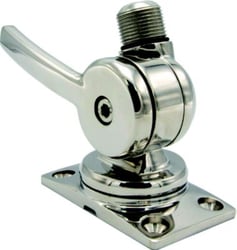
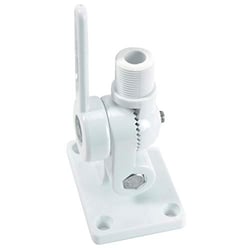
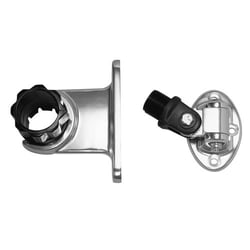
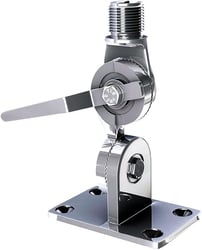
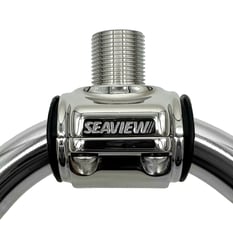
Shakespeare 6187 Sleek & Compact Stainless Steel Rotatable 4-Way Ratchet Antenna Mount

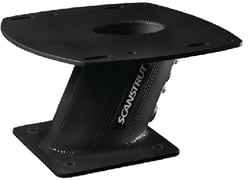



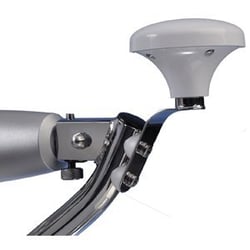
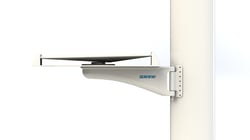
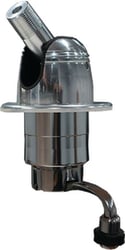
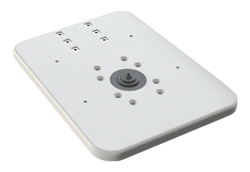
Scanstrut LM-GPS Single GPS & VHF Antenna Mount for Self-Levelling Radar Mounts
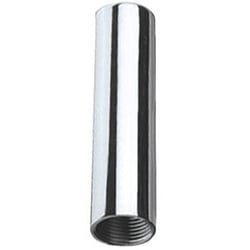
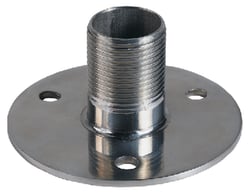
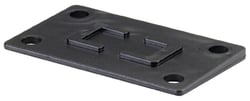
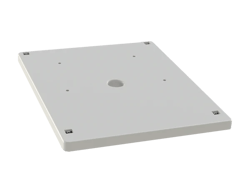

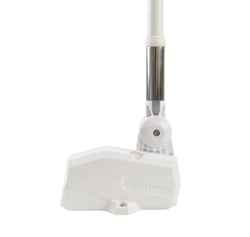


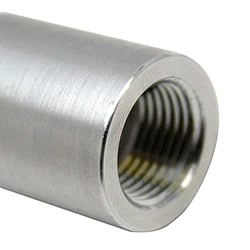
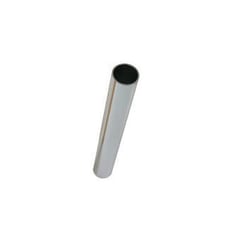
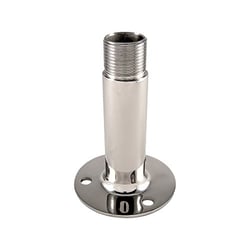
RUPP Marine 09-1050-12 3/4" x 12" Threaded Aluminum Pipe for Antenna Standoff

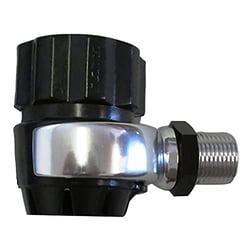

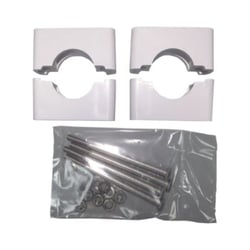
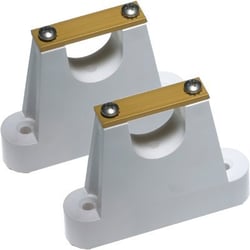
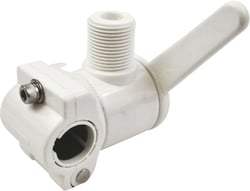
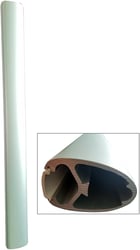
Morad 9049 Split Antenna Mounts for 1-1/2 Inch Stanchion - White with Stainless Hardware
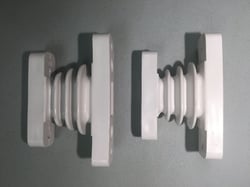
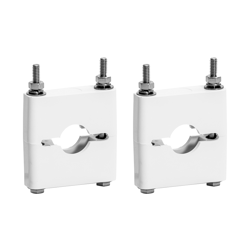
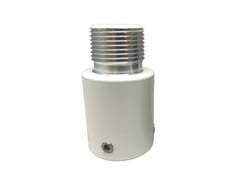
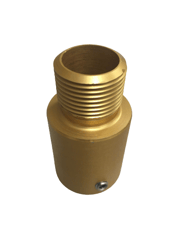
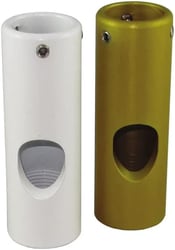
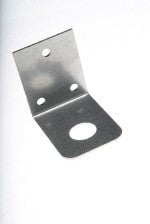
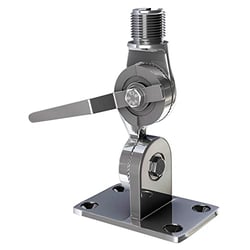


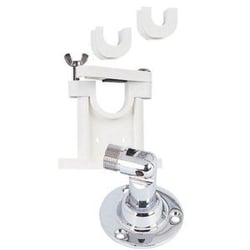
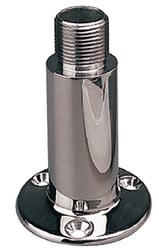

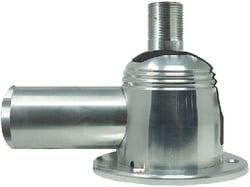

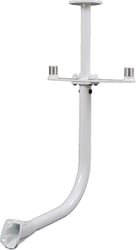

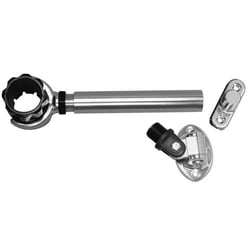
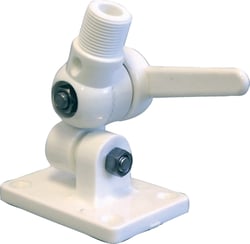
RUPP Marine PAK-0005 Threaded Antenna Support 6" Pipe Mount with 4-Way Base and 1.5" Column
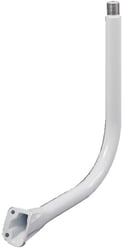
 Representative Photo, actual item may vary
Shakespeare Antennas QCM-SR Quickconnect Stainless Steel Rail Mount with 15' Cable
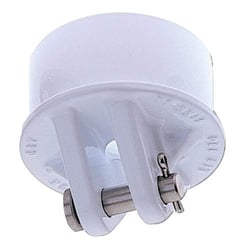


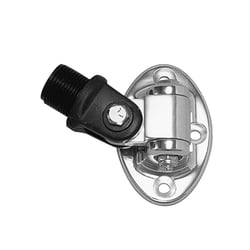
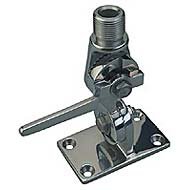
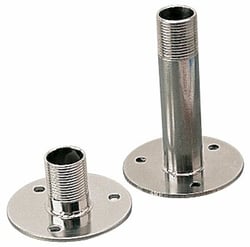
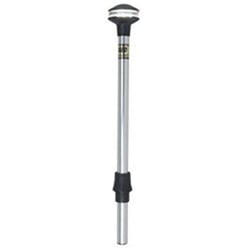

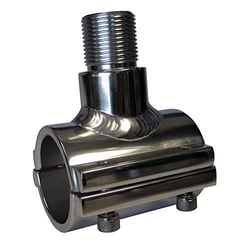

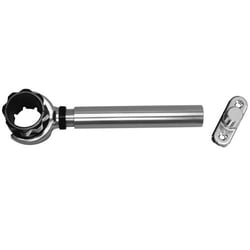
RUPP Marine PAK-0003 Threaded Antenna Support with 6" Pipe Mount and 1.5" Collar
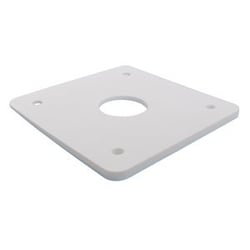
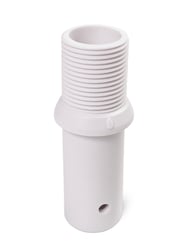
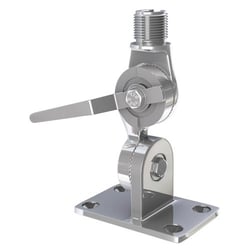
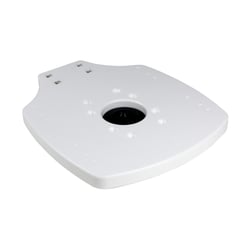
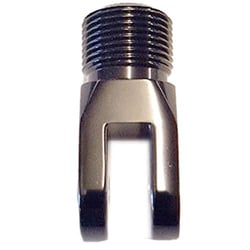
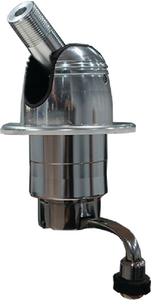 Representative Photo, actual item may vary
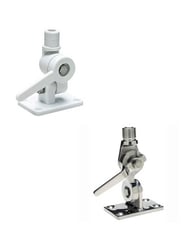

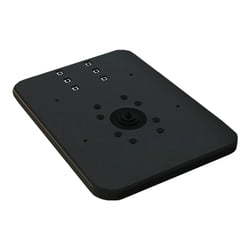
- 1
- 2
What Are Fixed Antenna Mounts?
A fixed antenna mount is the hardware foundation that keeps your marine or RV antenna locked in position — and its importance is easy to underestimate. Whether you rely on a VHF radio for distress calling, a GPS antenna for chartplotter accuracy, or an AIS receiver for collision awareness, none of that technology performs reliably without a secure, properly positioned mount beneath it.
Choosing the right antenna mount is equally as important as selecting the right antenna to ensure reliable communications and avoid damage to either the antenna or vessel. A fixed mount — as opposed to a ratchet or adjustable style — holds the antenna in a permanently upright, stable position. With its strong, fixed position, your antenna is guaranteed to stay in the perfect position, meaning no interruption of data.
Common Applications
Fixed antenna mounts serve a wide range of communication and navigation systems on the water and on the road. Marine VHF antennas support distress calling, marina contact, bridge communication, and boat-to-boat radio use; AIS antennas support vessel tracking and collision awareness; GPS antennas help chartplotters maintain position data; and AM/FM or TV antennas improve onboard entertainment reception. On RVs, fixed mounts anchor cellular, Wi-Fi, and GPS antennas to rooftops and exterior walls for consistent connectivity on the go.
Key Considerations When Choosing a Fixed Antenna Mount
- Material: Marine antenna mounts are designed to withstand the rigors of outdoor use and may offer better performance and longevity compared to standard mounts. Look for stainless steel or marine-grade composite construction to resist corrosion in saltwater environments.
- Mounting Surface: A flange mount is the simplest type of marine mount — it bolts to the deck or other level surface. Consider your boat's layout and whether you need a deck, bulkhead, rail, or transom-style base.
- Thread Compatibility: Most standard antenna bases use a 1"-14 TPI thread. Confirm your antenna's base thread matches the mount before purchasing.
- Cable Management: Many Shakespeare® mounts include a special cable slot that eliminates removal of most factory-installed connectors, making installation cleaner and easier.
- Height and Clearance: Where to place your antenna is a balancing act — the outside antenna will need to be mounted high enough to pick up signal from distant towers, and the higher you can mount it, the better reception you'll get.
Top Brands in Fixed Antenna Mounts
Shakespeare Antennas is one of the most recognized names in marine antenna hardware. Shakespeare marine antennas and marine mounts are available in VHF, CB, SSB, and cellular antenna configurations. Shakespeare flange mounts can be used to attach marine antennas to deck or bulkhead, and their lineup spans everything from economy-grade plastic mounts to heavy-duty stainless steel options.
Scanstrut is a globally respected specialist in marine mounting hardware. Scanstrut offers off-the-shelf mounting solutions for nearly every leisure marine electronic on the market, and is trusted by major marine electronics manufacturers as the global leader in mounting solutions for onboard technology. Their mounts are crafted from premium composites and engineered stainless steel built for long-term offshore use.
RUPP Marine brings decades of offshore fishing hardware expertise to antenna mounting solutions, offering rugged, boat-specific products designed to handle demanding saltwater conditions with confidence.
Morad provides a broad selection of antenna mount hardware, offering practical options for boaters and RV enthusiasts who need reliable, straightforward mounting solutions across a variety of antenna types.
Taco Metals is a well-known marine hardware brand with a diverse lineup that includes antenna mount solutions. Flush mounts from Taco are installed into a hole cut into the boat and designed to be flush with the surface, a good option for boats with limited space that provides a clean, streamlined look.