



Floats & Anchors






Floats & Anchors: Essential Gear for Open Water Safety
Whether you're swimming across a lake, mooring a boat in a busy harbor, or marking a course for a water ski competition, floats and anchors are among the most fundamental pieces of watersports equipment you can own. Far more than simple floating objects, these products serve as critical tools for navigation, vessel security, swimmer safety, and environmental protection on the water.
Understanding Watersports Floats
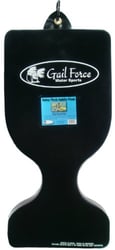
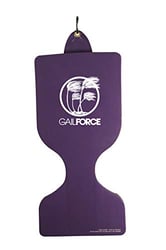
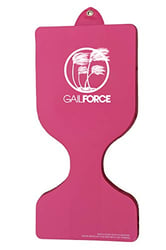
Floats come in a wide variety of forms, each designed with a specific purpose in mind. For open water swimmers, tow floats — also known as swim buoys — have become indispensable companions. Visibility is their primary mission: boats, jet skis, and other watercraft share open water with swimmers, and a swimmer's head is remarkably difficult to spot from a distance. A brightly colored tow float solves this problem while offering additional benefits.
- Standard Tow Floats: Provide buoyancy and high-visibility presence, making swimmers more noticeable to boats, other swimmers, and lifeguards — and easier for rescuers to locate in an emergency.
- Dry Bag Tow Floats: Feature a waterproof compartment for personal items like keys, phones, or wallets, keeping essentials safe and accessible during long swims.
- Hydration Tow Floats: Include compartments for hydration systems, ideal for endurance swimmers or triathletes who need to stay fueled over long distances.
- Swim Buoys: Larger-volume devices typically ranging from 20 to 28 liters, designed for maximum visibility in busy waterways or areas with significant boat traffic.
Many modern tow floats also incorporate LED lights, reflective strips, and quick-release waist belt systems, ensuring swimmers remain conspicuous even in low-light, foggy, or overcast conditions. Beyond safety, tow floats offer a psychological benefit: knowing you have a buoyant aid trailing behind you can significantly boost confidence, especially for swimmers new to open water.
Anchors & Mooring Buoys: Securing Your Vessel
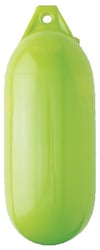
On the boating side of the category, mooring buoys and anchors serve a critical role in keeping vessels safely in place. A mooring buoy is a floating device anchored to the seabed with a chain or rope, designed to secure boats and ships without the need to drop a traditional anchor. This distinction matters enormously, especially in ecologically sensitive areas: mooring buoys help prevent anchor damage to fragile coral reefs, seagrass beds, and other marine ecosystems by offering a fixed, pre-installed attachment point.
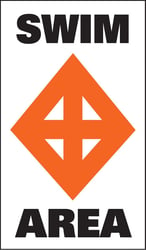
Mooring buoys also play an important role in harbor management. By offering designated tie-up points, they help marina operators prevent overcrowding and minimize the risk of vessel collisions. They are typically white with a blue horizontal band, making them easy to identify at a glance. Regulatory buoys — often white with orange symbols — communicate critical rules such as no-wake zones, speed limits, and restricted areas, functioning like road signs on the open water.
What to Consider When Shopping Floats & Anchors
- Intended Use: Match the product to your activity — open water swimming, recreational boating, racing course setup, or marina mooring all have different requirements.
- Visibility: Bright, fluorescent colors — typically safety orange or high-visibility yellow — are essential for tow floats and swim buoys used in shared waterways.
- Buoyancy & Volume: Larger buoys offer greater stability for rest breaks or rough water; lighter floats minimize drag for competitive swimmers.
- Durability: Look for UV-resistant materials and closed-cell foam construction that can withstand prolonged exposure to sun, salt, and freshwater environments.
- Environmental Responsibility: In protected marine areas, mooring buoys are often required in place of traditional anchors to prevent damage to sensitive habitats.
From personal swim safety to vessel mooring and waterway navigation, floats and anchors are the unsung heroes of responsible watersports. Investing in the right gear ensures not just your own safety, but the preservation of the aquatic environments that make these activities possible.