



Fog Horn
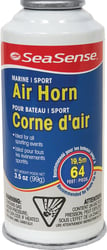

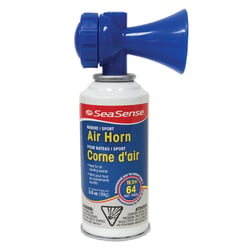
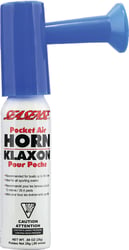
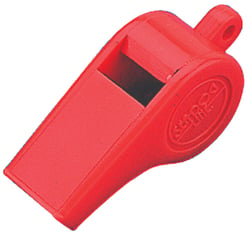
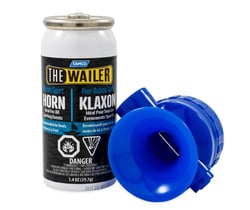

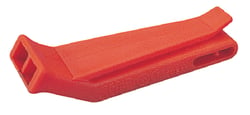

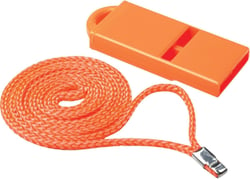
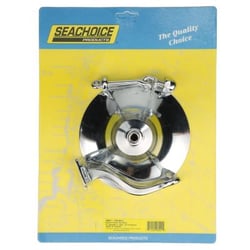

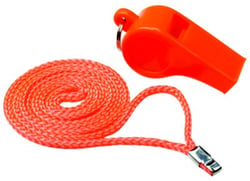
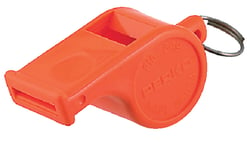

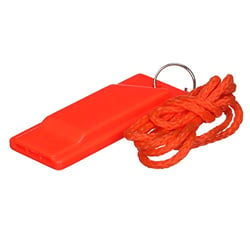

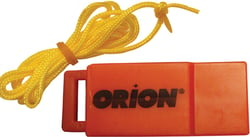
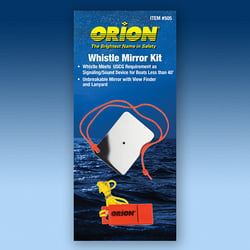

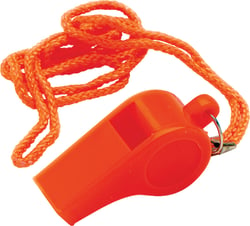
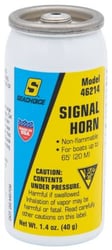
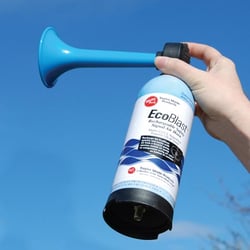

 Representative Photo, actual item may vary
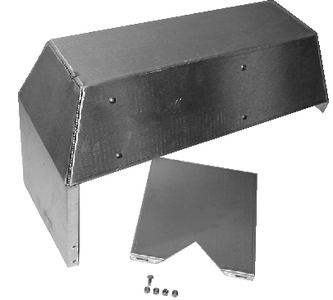 Representative Photo, actual item may vary
T-H Marine BE-SA-58300-DP Safety Whistle Waterproof Emergency Signal Device

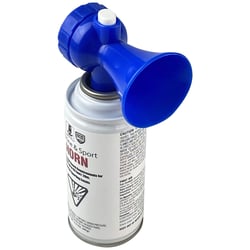
What Is a Marine Fog Horn?
A fog horn is a device that uses sound to warn vessels of navigational hazards or of the presence of other boats in foggy conditions. It alerts other vessels to a ship's presence, particularly in conditions of low visibility. While GPS and electronic chart plotters have transformed modern navigation, the fog horn remains one of the most fundamental — and legally required — pieces of safety equipment aboard any vessel.
Why Fog Horns Matter for Marine Safety
When visibility is limited, such as during fog, heavy rain, or at night, vessels must use maritime horn signals regularly to communicate and inform others of their location and intended actions. Using sound signals helps prevent collisions and clarifies your intentions when maneuvering your vessel.
The International Regulations for Preventing Collisions at Sea (COLREGS) govern the international use of marine sound signals, and the U.S. Coast Guard also enforces U.S. Inland Rules, which are similar to international regulations with a few slight differences. Under these regulations, the fog horn is required on board all vessels to communicate codified sound signals — signals that can indicate a maneuver in progress, a static position, or an emergency situation.
Types of Fog Horns
Fog horns come in several types, including traditional pneumatic, electronic, and portable battery-operated versions, each offering distinct advantages. Manual mouth-blown horns are a compact, always-ready option ideal for smaller boats, while electric and compressed-air horns offer greater output for larger vessels. Matching the horn type — air, electric, or fog — to your boat size, available space, and operating area is an important first step.
What to Consider When Shopping for a Fog Horn
- Regulatory Compliance: The type of horn you carry and the kind of sound it makes are governed by navigation rules, including COLREGS for international waters and Inland Rules for U.S. waters.
- Vessel Size: Boats less than 39.4 feet need an effective sound-producing device, such as a bell, whistle, or air horn. Boats between 39.4 and 65.6 feet must have both a whistle and a bell, with the whistle audible for at least half a nautical mile.
- Durability: Prioritize durability — including corrosion resistance, mounting integrity, and serviceability — when selecting a marine horn.
- Maintenance: Routine maintenance involves checking mechanical components for wear, lubricating moving parts, and ensuring electronic connections are secure. Regular testing guarantees readiness in adverse conditions.
Top Brands in Marine Fog Horns
When it comes to trusted, regulation-compliant fog horns, Perko stands out as a leading name in marine safety signaling. Perko's fog horn features an aluminum body with a white baked enamel finish and a nylon mouthpiece, conforming to A.B.Y.C. Standard A-23 and USCG Navigation Rules (72 COLREGS) for use on vessels under 8 meters in length. With a long history in marine hardware, Perko is a go-to choice for boaters who need dependable, Coast Guard-recognized sound signaling equipment.