



Fogging Oils


What Is Fogging Oil and Why Does Your Engine Need It?
Applied as an aerosol, fogging oil is designed to prevent rust and protect internal engine components during storage or long periods of inactivity. Whether you're laying up an outboard at the end of boating season, storing a personal watercraft over winter, or putting away a small engine for months at a time, fogging oil is one of the most important steps in any proper winterization routine.
Two- and four-stroke recreational vehicles, hand-held power equipment, and small engines are commonly operated seasonally, then stored for long periods. During these periods of inactivity, and as a result of fluctuations in ambient temperatures, water vapor can form condensate within the engine. When this condensate comes into direct contact with steel and iron components, it forms surface corrosion on cylinder liners, piston rings, anti-friction bearings, and steel/iron contact surfaces on rotational seals. Long periods of storage can also dry out cylinders, often resulting in permanent damage when the equipment is taken out of storage and dry-started.
How Fogging Oil Works
When you fog an engine, you spray a light, sticky oil into the air-intake stream, or directly into each spark-plug hole, so a fine mist "fogs" everything it touches: piston crowns, cylinder walls, valves, injector tips, carb throats, and even bare exhaust ports. Because fogging oil adheres to the engine walls and stays there for the entirety of storage, it prevents corrosion while the engine remains idle.
The aerosol spray formulation offers easy and clean application while reaching more components and offering complete distribution of the oil — something especially beneficial in applications with horizontal cylinder orientation, such as outboard motors. The preservative does not need to be removed in order to restart the engine, making spring commissioning simple and straightforward.
What Engines Benefit from Fogging Oil?
Fogging oil applications include motorcycles, snowmobiles, ATVs, outboard motors, stern drive and inboard marine engines, personal watercraft, lawn equipment, chainsaws, snowblowers, portable generators, hand-held power equipment, motor scooters, powered farm equipment, powered construction equipment, cars and trucks. In short, if an engine runs on gasoline and will sit idle for more than a few weeks, fogging oil is worth using.
It's also worth noting that most OEM manuals recommend fogging for extended storage, so using a quality fogging oil is an approved, warranty-safe part of seasonal maintenance.
What to Look for When Shopping Fogging Oils
- Corrosion inhibitors: Look for fogging oils that contain anti-corrosion properties. These inhibitors are crucial to prevent rust, especially in engines exposed to moisture during winter storage.
- Aerosol delivery: Some fogging oils come in aerosol cans with specialized nozzles, making application straightforward and even. Aerosol fogging oils are generally easier to work with compared to pour-in oils.
- Engine compatibility: Make sure the product is suitable for your engine type — whether 2-cycle or 4-cycle marine engines, outboards, or other small engines.
- Film retention: Superior film retention provides long-term protection against corrosion and dry starts, extending engine life and reducing operating expenses.
Top Brands in Marine Fogging Oils
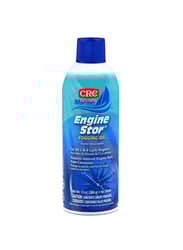
CRC Industries is one of the most trusted names in marine fogging oil. The CRC Marine line of the 1970s included core items Engine Stor® Fogging Oil and 6-56® Multi-Purpose Lubricant — products that are still top sellers today, with the line now offering more than 100 marine items. Trusted by boaters and boat service professionals for nearly 50 years, CRC Marine professional-grade maintenance chemicals include cleaners, lubricants, electrical maintenance products, fogging oils, corrosion inhibitors, fuel stabilizers and more.