



Fuel Additives & Storage Kits

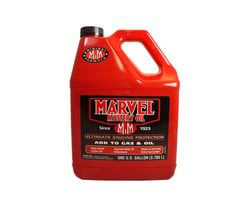
Marvel MM14R Mystery Oil Fuel Additive and Upper Cylinder Lubricant - 1 Gallon, 4-Pack Case

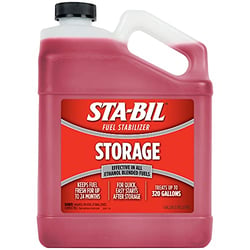

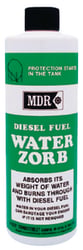
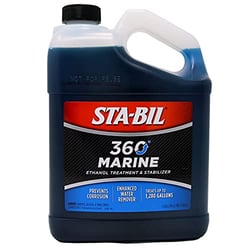


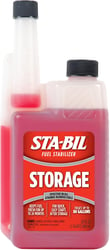
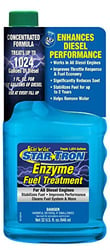
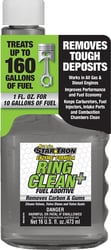
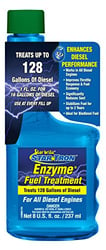
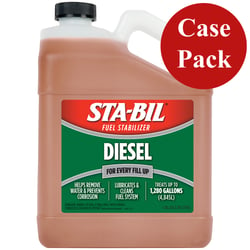
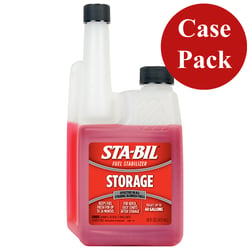


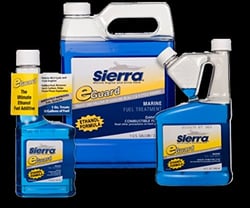

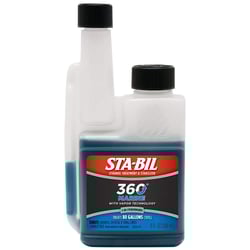
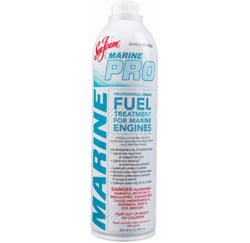
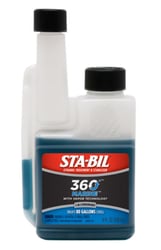
Golden Eagle Manufacturing 22239 STA-BIL Marine Formula Ethanol Treatment 8oz (12-Pack)

 Representative Photo, actual item may vary
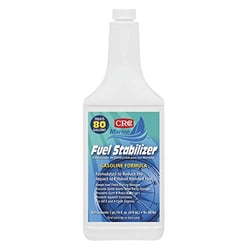
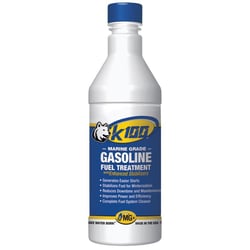
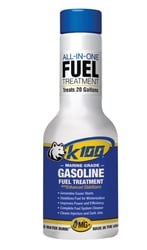
CRC Industries 1003927 Marine Gasoline Fuel Stabilizer 8 oz Concentrated Formula

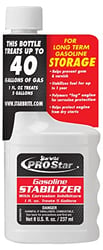
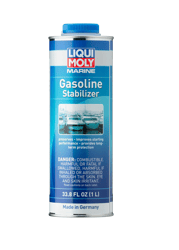

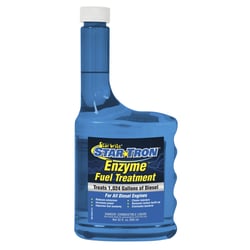
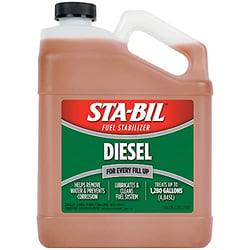
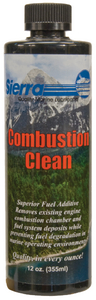 Representative Photo, actual item may vary


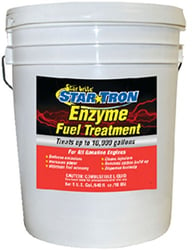
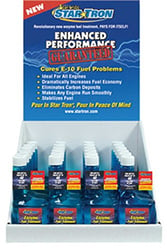
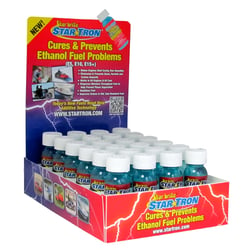
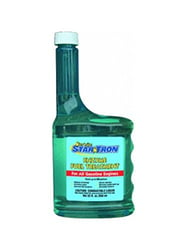
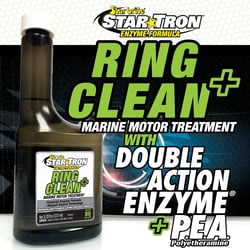
Starbrite 093615 Star Tron Gas Additive Mini Countertop Display - 6 Pack 8oz Bottles
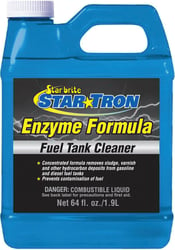
 Representative Photo, actual item may vary
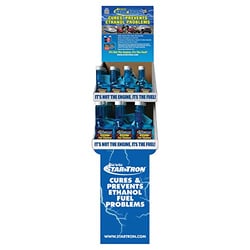
 Representative Photo, actual item may vary
Why Marine Fuel Additives & Storage Kits Matter
Modern marine engines face a challenge that didn't exist a few decades ago: ethanol-blended fuel. While E10 and other ethanol-blend gasolines are standard at most marinas and fuel docks, ethanol is notoriously hard on marine fuel systems. It attracts moisture, promotes phase separation, and accelerates the breakdown of rubber seals and fuel lines. Left untreated, fuel sitting in a tank over a winter layup can degrade into a varnish-like sludge that clogs carburetors, gums up injectors, and turns a spring launch into a costly repair job. That's exactly where marine fuel additives and storage kits earn their keep.
What Fuel Additives Do
Fuel additives serve several important functions depending on their formulation. A quality fuel stabilizer slows the oxidation process that causes gasoline to degrade, keeping it combustible and fresh throughout a long storage season. Ethanol treatments work to prevent phase separation — the process by which water and ethanol separate from the gasoline and settle at the bottom of the tank, where they can cause corrosion and starve the engine of clean fuel. Many advanced formulas also clean fuel injectors and carburetors, remove existing gum and varnish deposits, and provide a layer of corrosion protection to metal fuel system components.
Storage kits take this a step further by bundling additives with complementary products — such as fogging oils or corrosion inhibitors — to deliver comprehensive engine protection during winterization or extended layup periods. Whether you're storing a small outboard for the off-season or preparing a large inboard diesel for several months at the dock, the right additive or storage kit can be the difference between a trouble-free startup and an expensive spring overhaul.
Key Considerations When Shopping
- Fuel type compatibility: Confirm whether the additive is formulated for gasoline, diesel, or both. Many marine engines, especially large inboards and generators, run on diesel.
- Storage duration: Some stabilizers protect fuel for one year; others are rated for two years or more. Match the product's protection window to your actual storage needs.
- Ethanol treatment: If you use E10 fuel — and most boaters do — look for formulas specifically designed to combat phase separation and ethanol-related corrosion.
- Treat rate: Highly concentrated formulas cover more gallons per ounce, making them more cost-effective for larger tanks.
- Engine size: Some products are optimized for small two-stroke outboards, while others are formulated for large-displacement inboard engines with tanks over 50 gallons.
Top Brands in Marine Fuel Additives & Storage Kits
CRC Industries is a globally recognized name in chemical maintenance products. CRC's marine line has been trusted by boaters and boat service professionals for nearly 50 years, and today spans more than 100 marine-specific items. Their marine fuel stabilizer is a concentrated, high-potency gasoline formula specifically engineered to prevent ethanol-related fuel separation, protect against corrosion, and keep filters and injectors clean — making it a go-to choice for professional marine technicians and serious boaters alike.
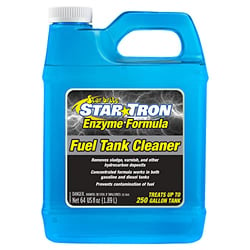
Star Brite brings a science-forward approach to fuel care through their flagship Star Tron line. Star Tron's unique enzyme technology works at the molecular level to eliminate ethanol fuel problems, disperse water into sub-micron particles that burn safely during combustion, and stabilize fuel chemistry for up to two years. Their Star Tron Stabilizer+ formula adds corrosion inhibitors to the enzyme base, making it a comprehensive all-season storage solution for boats, outboards, and other marine engines.