



Fuel Line Assemblies
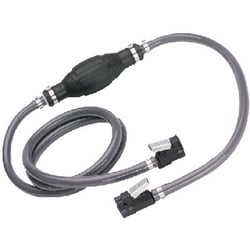
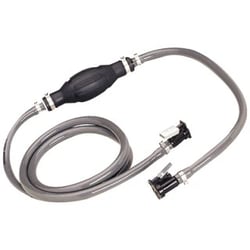
 Representative Photo, actual item may vary

What Are Marine Fuel Line Assemblies?
A fuel line assembly is the complete, ready-to-install kit that carries gasoline from the portable or built-in fuel tank to your outboard or inboard engine. A typical assembly includes the reinforced hose itself, molded end fittings matched to your engine's fuel connector, and often an inline primer bulb that lets you manually prime the fuel system before startup. These assemblies are the lifeline of your boat's powerplant — without a properly functioning fuel line, even a perfectly tuned engine will starve for fuel and leave you stranded on the water.
Why the Right Fuel Line Assembly Matters
Marine fuel lines face a punishment that automotive hoses rarely see: constant exposure to UV radiation, salt spray, bilge fumes, ethanol-blended fuels, and the relentless flexing caused by wave action. A cracked or deteriorated fuel line is not just a performance issue — it is a serious fire and safety hazard. EPA and USCG regulations require low-permeation fuel line assemblies on all recreational boats, which means selecting a compliant, properly rated assembly is not optional. Look for fuel lines that are both USCG and EPA compliant for all engine makes.
When selecting a fuel line assembly, it is important to look for quality and compatibility — the materials should be durable and resistant to the harsh marine environment while ensuring a perfect fit for your specific boat engine model and fuel type. Common hose inner diameters run from 5/16" to 3/8", and the end fittings must match the connector style used by your outboard manufacturer (Mercury bayonet, Yamaha, Honda, Johnson/Evinrude, Suzuki, Tohatsu, and others all use different connector profiles).
Shopping Considerations
- Engine compatibility: Always match the assembly to your engine brand and connector style. Universal assemblies exist, but engine-specific kits deliver the most secure, leak-free fit.
- Hose length: Measure the distance from your fuel tank to the engine connection point. Common lengths range from 2.5 feet to 12 feet or more.
- Ethanol resistance: Modern ethanol-blended fuels can degrade older rubber compounds. Choose assemblies with a flexible THV barrier layer and a weather-resistant CPE cover for maximum longevity.
- Primer bulb condition: Regular maintenance of your primer bulb and fuel line assembly is essential — check for cracks, leaks, or signs of wear, especially in the flexible parts of the fuel line and at connection points.
- Replacement timing: General signs that indicate the need for replacement include hardness or loss of elasticity in the bulb, or visible wear on the fuel lines.
Top Brands in Marine Fuel Line Assemblies
Sierra is the category leader and one of the most trusted names in marine aftermarket parts. Sierra has a 58-year history as a leading global manufacturer of aftermarket engine and drive parts for the marine industry. Backed by an industry-leading warranty, Sierra products meet or exceed OEM standards. Their fuel line assemblies cover virtually every major outboard brand, from Mercury and Yamaha to Honda, Suzuki, and Johnson/Evinrude.
Quicksilver is the genuine parts and accessories brand from Mercury Marine, the world's largest outboard manufacturer. Quicksilver fuel line assemblies are engineered to the same specifications as Mercury OEM components, making them an especially confident choice for Mercury and Mariner outboard owners who want factory-grade reliability without purchasing from a dealership.
Scepter is a well-established name in marine fuel system components, best known for its portable fuel tanks and the associated fuel line assemblies designed to work seamlessly with them. Scepter assemblies are built to match their tank connector profiles precisely, ensuring a leak-free interface from tank to engine right out of the box.
ContiTech brings the engineering heritage of Continental AG's industrial hose division to the marine world. ContiTech fuel line hoses are manufactured to exacting tolerances with multi-layer construction designed to resist permeation, fuel swelling, and abrasion — a premium choice for boaters who prioritize materials science and long service life.