



Full Face Respirators
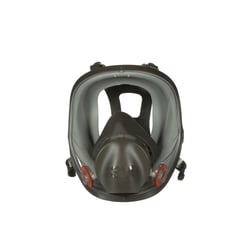

What Are Full Face Respirators and Why Do You Need One?
Whether you're repainting a boat hull, sanding a fiberglass deck, treating a bilge with chemicals, or performing solvent-heavy work on your RV, a full face respirator is one of the most critical pieces of personal protective equipment you can wear. Unlike simple dust masks or half-face respirators, full face respirators cover the entire face — nose, mouth, and eyes — in a single sealed unit.
These devices provide comprehensive respiratory protection, covering the entire face, including the eyes, and offering advanced safety through total coverage. Full face respirators guard the nose, mouth, and eyes against gases, vapors, and particulates in chemical handling, painting, and asbestos abatement work. For marine and RV enthusiasts, that means genuine protection when working with antifouling paints, varnishes, fiberglass resins, solvents, and mold-remediation products.
Key Protection Features to Understand
Full face respirators are reusable air-purifying devices that protect both the respiratory tract and eyes from exposure to harmful substances including dusts, fogs, fumes, mists, smokes, sprays, vapors, gases, and other airborne particulates — and they feature a flexible seal that ensures a fitted seal around the full perimeter of the face.
When properly fit-tested and employed, elastomeric full-facepieces achieve an Assigned Protection Factor (APF) of 50, significantly higher than half masks — a rating endorsed by OSHA. These models generally feature interchangeable filters and cartridges tailored to specific hazards, making them suitable for various workplace requirements. That modularity is particularly valuable for marine and RV maintenance, where hazards can shift from particulates one day to organic vapors the next.
Modern designs introduce features like voice amplification systems for enhanced communication and panoramic lenses that enhance the field of vision without sacrificing safety, while design comfort includes adjustable straps and lightweight materials for prolonged use.
How to Choose the Right Full Face Respirator
Choosing a full face respirator requires careful consideration of the specific hazards present in the environment — assessing the hazards, such as particulates, gases, and vapors, is crucial to selecting the appropriate mask. Fit testing is necessary before use and requires annual evaluations using OSHA-approved methods. Always match your cartridge or filter type to the specific chemical or airborne hazard you face, and perform a seal check every time you put the respirator on.
Top Full Face Respirator Brands
Honeywell North is a go-to brand for serious maintenance professionals. Their full facepieces are designed with high-clarity lenses that offer a wide field of view, and the ergonomic design ensures a secure and comfortable fit, reducing fatigue during extended wear. Their popular 5400 and 7600 Series respirators are known for latex-free elastomeric seals and broad cartridge compatibility.
3M brings decades of respiratory safety innovation to their full face lineup. The 3M 6000 Series features a large polycarbonate lens, soft silicone faceseal, and the 3M Cool Flow Exhalation Valve, and is NIOSH-approved to protect against certain airborne contaminants when used with 3M bayonet-style filters and cartridges. The 6000 Series connects with all 3M bayonet-style 2000, 5000, and 7000 Series filters and cartridges, and can be used with certain 3M Powered and Supplied Air Systems for increased flexibility.
MSA is a globally recognized safety equipment manufacturer trusted in industrial and marine environments alike, offering robust full face respirator options engineered for reliable sealing performance and long-term durability in demanding conditions.