



Ground Plates/Lightning Protection Products
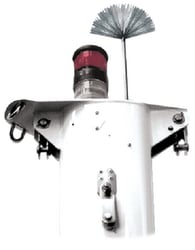


 Representative Photo, actual item may vary
What Are Marine Ground Plates and Lightning Protection Products?
Any vessel that spends time on open water faces a real and serious threat from lightning. Ground plates and lightning protection products form the critical final link in a boat's electrical safety system, providing a low-resistance path that channels a lightning strike's enormous energy safely into the surrounding water rather than through your hull, wiring, or crew. Understanding how these components work — and choosing the right ones — can be the difference between a minor scare and catastrophic damage.
How Marine Lightning Protection Works
A complete marine lightning protection system is built around the same core principle as a land-based lightning rod. Ground plates and lightning protection components work together as part of a system that typically includes an air terminal at the vessel's highest point, a heavy-gauge down conductor running as directly as possible to the hull, and a submerged ground plate that disperses the charge into the water.
The ground plate itself is the anchor of the entire system. Marine ground plates are typically constructed from copper, monel, or naval bronze and mounted below the waterline on the exterior of the hull. According to industry standards, a plate should have at least one square foot of surface area in contact with the water, since the electrical charge dissipates primarily from the plate's edges — making surface area and perimeter length critical design factors.
It's worth noting that fresh water is significantly less conductive than salt water, meaning vessels used on lakes and rivers may require a larger plate to achieve equivalent grounding performance. Multihulled vessels, ketches, yawls, and schooners often require multiple plates or grounding strips to ensure every mast has a direct, essentially vertical path to the water.
Beyond a direct strike, a properly bonded system also helps prevent dangerous side flashes — high-voltage sparks that can arc between metal objects aboard as electricity seeks a path to ground. Connecting major metal components such as engines, tanks, and stanchions to the bonding circuit reduces this risk significantly.
What to Look for When Shopping
- Material: Copper is the most widely used material for its excellent conductivity; monel and naval bronze offer additional corrosion resistance in harsh saltwater environments.
- Surface area: Larger plates with longer perimeters dissipate energy more effectively. Industry guidance typically calls for a minimum of one square foot for saltwater use and more for freshwater applications.
- Conductor sizing: The American Boat and Yacht Council (ABYC) recommends a minimum of #4 AWG copper wire for the primary lightning protection conductor.
- Conductor routing: The path from the air terminal to the ground plate should be as straight and vertical as possible, routed away from other vessel wiring and electronics.
- Bonding integration: The ground plate should also be connected to the engine's negative terminal to create a unified bonding system throughout the vessel.
Forespar: A Trusted Name in Marine Safety
Forespar is a well-established marine brand with decades of experience developing safety and performance products for both sailors and powerboaters. Founded in the mid-1960s, Forespar has built a reputation for engineering innovative solutions that address real on-the-water needs, backed by a worldwide dealer network. Their ground plate products reflect the same commitment to durability and function that defines their broader line of marine hardware, making them a go-to choice for boaters looking to complete or upgrade a reliable lightning protection system.