



Hydraulic Equipment Fluid
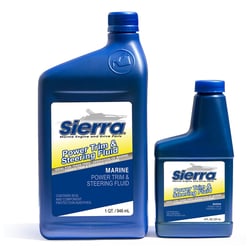

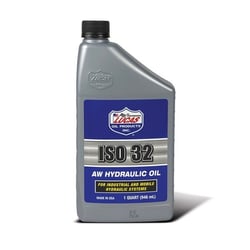

What Is Hydraulic Equipment Fluid?
Hydraulic equipment fluid is the lifeblood of any pressure-driven system aboard your boat or RV. Whether it's powering a marine power-trim unit, a boat's steering system, a hydraulic jack plate, or leveling jacks on a motorhome, these fluids transmit force through enclosed circuits to deliver smooth, reliable mechanical movement. Without the correct hydraulic fluid — maintained at the right level and in good condition — seals degrade, pumps cavitate, and response times suffer, often leading to costly repairs or dangerous control failures on the water or road.
Why Hydraulic Fluid Matters in Marine & RV Applications
The demands placed on hydraulic fluid in marine and RV environments are uniquely challenging. Saltwater exposure, wide temperature swings, vibration, and extended storage periods all accelerate fluid degradation. Marine-grade and RV-specific hydraulic fluids are formulated to resist moisture contamination, protect against corrosion, and maintain consistent viscosity across a broad temperature range — qualities that generic fluids simply cannot guarantee in these environments.
Using the wrong fluid type or a degraded fluid can cause seals and O-rings to swell or crack, pump wear to accelerate, and system pressure to drop unpredictably. Regularly checking and replacing your hydraulic fluid is one of the most important — and most overlooked — aspects of marine and RV preventive maintenance.
Key Considerations When Shopping for Hydraulic Equipment Fluid
- Viscosity Grade: Match the fluid's viscosity to your system manufacturer's specifications. Common grades for marine and RV hydraulic systems include ISO 32 and ISO 46.
- Compatibility: Confirm the fluid is compatible with your system's seals, hoses, and pump materials. Some systems require petroleum-based fluids, while others call for synthetic or biodegradable formulations.
- Marine or RV Rating: Look for fluids specifically rated for marine or RV use. These are engineered to handle humidity, condensation, and the unique operating cycles of recreational vessels and vehicles.
- Additive Package: Quality hydraulic fluids include anti-wear, anti-foam, anti-rust, and oxidation-inhibiting additives that extend both fluid and component life.
- Fluid Condition: Inspect existing fluid for discoloration, milky appearance (indicating water contamination), or burnt smell — all signs it's time for a change.
Top Brands in Hydraulic Equipment Fluid
When it comes to trusted hydraulic fluid for marine and RV systems, Sierra stands out as a go-to choice among boaters and RV enthusiasts alike. Sierra has built a strong reputation in the marine aftermarket for producing fluids and lubricants that meet or exceed OEM specifications, making their hydraulic fluid a reliable option for power-trim systems, hydraulic steering, and other pressure-driven marine applications.
Maintaining Your Hydraulic System
Proactive maintenance of your hydraulic system pays dividends in performance and longevity. Check reservoir fluid levels before every outing, look for any signs of leaks around fittings and hose connections, and follow the manufacturer's recommended fluid change interval — typically every season or every 100 hours of operation for marine applications. Pairing quality hydraulic fluid with routine inspections keeps your steering crisp, your trim responsive, and your RV's leveling system dependable wherever your adventures take you.