



In-Line Check Valves




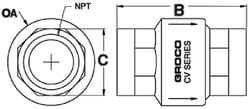

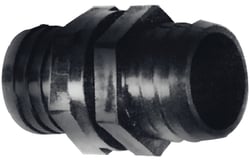

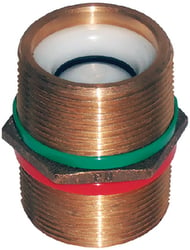

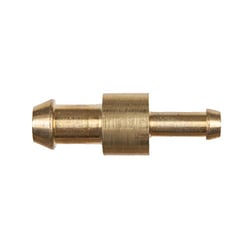
 Representative Photo, actual item may vary
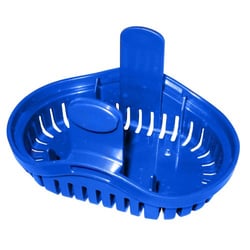
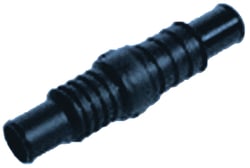
Rule Industries 285 Replacement Strainer Base for Rule Mate 500-1100 GPH Bilge Pumps

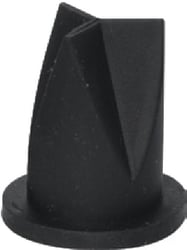
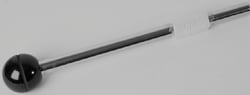
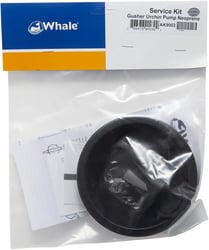
Whale Water Systems AS4405 Replacement Handle Assembly for Gusher 10 and Titan Manual Bilge Pumps
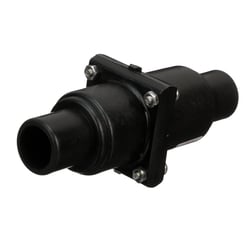
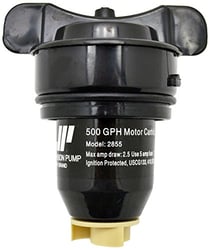
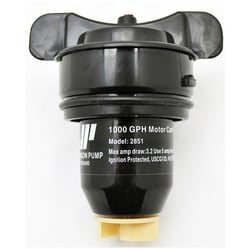
Johnson Pumps 28552-24 Replacement Motor for 500 GPH Cartridge Bilge Pumps 24V
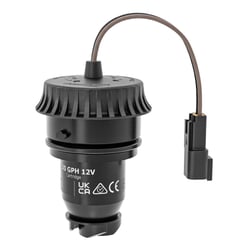
Johnson Pumps 09-36336-10 Aqua Void 800GPH Automatic Bilge Pump Replacement Cartridge Motor

Johnson Pumps 09-36336-04 Aqua Jet Automatic Bilge Pump Replacement Motor 500GPH


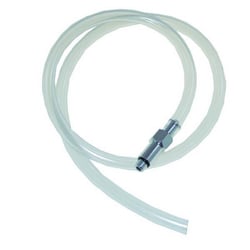
What Are In-Line Check Valves?
An in-line check valve is a one-way flow control device installed directly within a fluid line — whether that's a water supply line, bilge discharge, fuel system, or sanitation hose. Its job is simple but critical: allow fluid to flow freely in one direction while preventing it from reversing course. Without a properly functioning check valve, backflow can flood compartments, contaminate fresh water supplies, damage pumps, or compromise fuel delivery systems. On a boat or RV, where plumbing systems operate under constantly changing pressures and orientations, a reliable check valve isn't optional — it's essential.
Why In-Line Check Valves Matter in Marine & RV Environments
Marine and RV plumbing systems face conditions that residential plumbing never encounters: constant vibration, hull movement, varying elevation changes, and exposure to saltwater, fuel, and waste. Standard plumbing components often fail prematurely in these environments. Purpose-built in-line check valves for marine and RV use are constructed from corrosion-resistant materials — such as bronze, stainless steel, and UV-stabilized polymers — and are engineered to maintain a reliable seal even after years of intermittent use.
Common applications include bilge pump discharge lines (to prevent water from flowing back into the bilge when the pump is off), freshwater pressurized systems (to stop water hammer and pressure loss), sanitation system hoses, and inline fuel lines where vapor lock or fuel drain-back can be a concern. Selecting the right valve means matching the port size, pressure rating, and material to your specific application.
Key Considerations When Shopping In-Line Check Valves
- Port Size & Flow Rate: Match the valve's inlet/outlet diameter to your existing line size to avoid flow restriction.
- Cracking Pressure: The minimum pressure needed to open the valve. Low cracking pressure is ideal for low-pressure freshwater systems; higher cracking pressure suits fuel or pressurized discharge lines.
- Material Compatibility: Bronze and stainless steel handle seawater well; Nitrile or Viton seals are recommended for fuel applications.
- Orientation: Some check valves are gravity-assisted and must be installed vertically; true in-line designs work in any orientation.
- Temperature Range: Particularly important for fuel and engine coolant applications where heat cycles are extreme.
Top Brands in In-Line Check Valves
Groco is one of the most trusted names in marine plumbing, with decades of experience manufacturing bronze and stainless steel fittings engineered specifically for the harsh saltwater environment. Their in-line check valves are a go-to choice for through-hull and bilge discharge applications aboard both power and sail vessels.
Zoeller brings its deep expertise in pump and fluid-handling systems to a range of check valves well-suited for bilge, sump, and waste applications in both marine and RV settings, offering reliable backflow prevention in demanding wet environments.
Fuelab specializes in high-performance fuel system components, and their in-line check valves are designed for precision fuel delivery — helping prevent fuel drain-back and maintaining system pressure in performance and marine engine applications.
Johnson Pumps is a globally recognized name in marine pumping solutions. Their check valves are engineered to pair seamlessly with their pump lines, ensuring bilge and freshwater systems maintain proper one-way flow even during prolonged periods of inactivity.
Sierra is a well-known supplier of marine replacement parts, offering check valves that meet OEM specifications — making them a practical and dependable option when replacing components on a wide range of marine engines and plumbing systems.