



Lashing Hooks
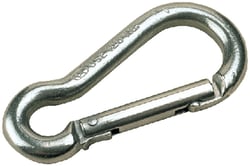


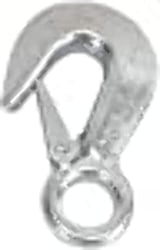



What Are Lashing Hooks and Why Do They Matter?
Whether you're securing a boat cover against open-water chop or fastening gear inside an RV, lashing hooks are the unsung workhorses of marine and recreational vehicle hardware. These compact, purpose-built fasteners serve as the critical connection point between a lashing strap, bungee cord, or rope and a fixed anchor point — keeping cargo, covers, and equipment firmly in place during transport or when exposed to wind and wave action.
The hooks on lashing straps attach to anchor points on vehicles or trailers, creating a secure hold that prevents shifting and damage during transport. In the marine world, that same principle applies to boat covers, cushions, and on-deck gear. A quality lashing hook snaps in and out quickly, yet holds confidently even when conditions get rough.
Common Types of Lashing Hooks
Not all lashing hooks are created equal. Understanding the differences helps you choose the right hardware for your application:
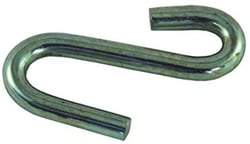
- S-Hooks: S-hooks are designed to quickly attach and be released from various securement points in seconds, getting their name from their distinctive "S" shape, and are among the most popular types of hook hardware for cargo transport.
- Flat Hooks: Flat hooks are most commonly used on flatbed trailers in combination with ratchet hardware or installed winches along rub rails.
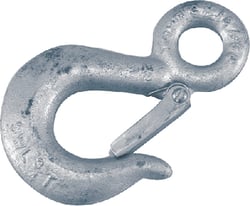
- Eye Hooks: Eye hooks are typically used to connect lashing chains to D-rings , providing a strong looped end that resists pull-out forces.
- Snap & Bungee Lashing Hooks: Popular for boat covers and RV awnings, these lightweight hooks mount directly to a surface and accept bungee loops or cord for a quick, semi-permanent hold.
Material and Finish: Why It Matters Outdoors
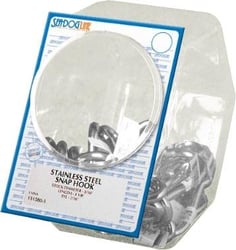
In marine and RV environments, material selection is every bit as important as load rating. For marine applications, opting for stainless steel hardware helps prevent potential corrosion and rust. Injection-molded nylon is another smart choice for lighter-duty lashing hooks — robust nylon construction combined with stainless steel hardware ensures long-lasting performance without rust , making it ideal for boat covers, canvas, and RV storage compartment closures. For heavier lashing systems, long link lashing chains and eye hooks are available with different surface treatments including hot-dip galvanized and electro-galvanized finishes to extend service life in saltwater environments.
What to Consider When Buying Lashing Hooks
- Load Rating: Match the hook's working load limit to your application — light-duty canvas hooks differ greatly from heavy cargo hooks.
- Mounting Style: Single-hole and double-hole mount configurations affect installation strength. Double mounting holes provide enhanced strength and stability.
- Compatibility: A good lashing hook should be compatible with a range of different lashing systems, including chains, ropes, and straps, giving you the flexibility to choose the best method for securing your cargo.
- Environment: Saltwater, UV exposure, and humidity all accelerate wear — choose materials rated for your conditions.
Top Brands in Lashing Hooks
Sea-Dog Line is a leading name in this category, and for good reason. A long-trusted manufacturer of marine hardware, Sea-Dog offers injection-molded nylon lashing hooks in single-hole mount configurations, available in both black and white — a straightforward, corrosion-resistant solution for boat cover and canvas applications.
Campbell Tire Chains — known more broadly as Campbell Chain — brings decades of chain and hook manufacturing expertise to the lashing hook category. Their products are well-regarded for strength and durability across demanding tie-down and cargo-securing applications.
Whitecap Industries is a respected marine hardware specialist offering a broad range of boat fittings and hardware, including lashing hooks suited for canvas and cover work on recreational watercraft.
Seachoice offers a value-conscious line of marine accessories and hardware, making quality lashing solutions accessible to boaters and RV enthusiasts at every level.
SeaSense rounds out the category with practical, no-fuss marine hardware products designed for everyday boating needs, including dependable lashing hooks for securing covers, gear, and accessories.