



Leaning Posts
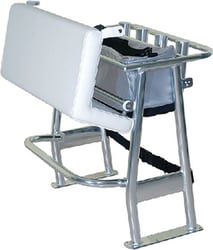

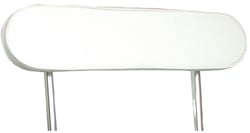
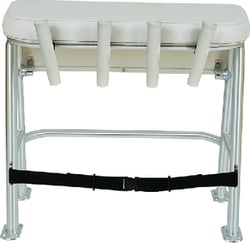
Taco Metals L10-2005BSA-1 Neptune III Standard Leaning Post with 4 Rod Holders
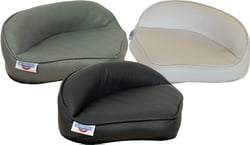

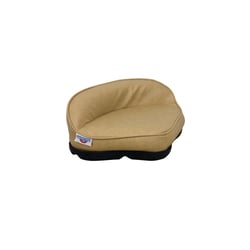
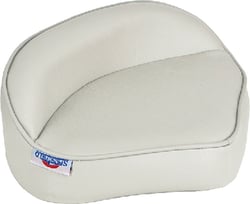
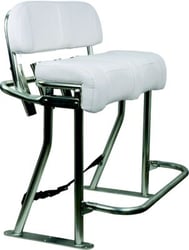
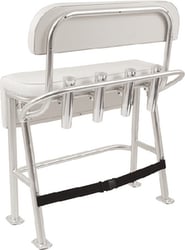
Taco Metals L10-2010BSA-1 Neptune III Leaning Post with Backrest and Grab Rail
What Is a Boat Leaning Post?
A leaning post is one of the most functional upgrades you can make to a center console boat. Positioned just behind the helm, it serves as a hybrid seating and support structure that lets the captain and crew alternate between sitting and standing with ease. The name itself tells the story: users lean against it while standing, gaining stability and comfort that a traditional seat simply cannot offer — especially when navigating rough water or scanning the horizon for fish.
Unlike conventional pedestal seats or bench seating, a leaning post is designed for an active boating lifestyle. It elevates the helm position for better visibility and control, while also giving operators something solid to brace against when hitting chop or wakes at speed. For anglers, the ability to move quickly and freely around the cockpit — without being tethered to a seat — can mean the difference between landing a fish and watching it escape.
Why a Leaning Post Matters
Comfort and safety are the twin pillars of a quality leaning post. On long days offshore or inshore, standing at the helm without support leads to back strain, leg fatigue, and reduced focus. A well-designed leaning post features contoured cushions, padded backrests, and ergonomic positioning to reduce physical stress. At the same time, integrated grab rails provide critical points of contact when seas turn unpredictable, making the helm area dramatically safer for both captain and passengers.
Beyond ergonomics, modern leaning posts have evolved into true command centers. Many models incorporate:
- Rod holders (rocket launchers) — keeping fishing rods secure and ready during transit
- Folding footrests — adding comfort when seated and folding out of the way when standing
- Under-seat storage — accommodating coolers, tackle, or gear without cluttering the deck
- Cup holders and livewells — consolidating multiple functions into one compact footprint
- Swingback backrests — pivoting to face forward or aft depending on the activity
Materials and Construction: What to Look For
The marine environment is relentless — salt, UV exposure, moisture, and constant mechanical stress demand materials built to last. The most popular frame material is anodized or powder-coated aluminum, which delivers an excellent strength-to-weight ratio while resisting corrosion even in harsh saltwater conditions. Aircraft-grade aluminum alloys are considered the gold standard for longevity and rigidity. Fiberglass frames offer a sleeker aesthetic and are also highly weather-resistant, though they are less common. For upholstery, look for thick, closed-cell marine-grade vinyl foam that resists water pooling, UV fading, and mildew growth.
Fixed vs. Adjustable Leaning Posts
Leaning posts come in fixed and adjustable configurations. Fixed posts provide a permanent, rock-solid setup ideal for boats with a defined layout and regular crew. Adjustable models offer the flexibility to change backrest angles and heights, accommodating different body types and activities — from casual cruising to serious sport fishing. Universal-fit designs are engineered to bolt onto a wide range of center console boats without requiring custom fabrication, making DIY installation straightforward for most boaters.
Choosing the Right Leaning Post for Your Boat
Before purchasing, consider the size of your vessel and the available deck space between the console and the leaning post — roughly 12 inches of clearance is a common rule of thumb. Think about how you primarily use your boat: fishing trips call for rod holders and livewell integration, while family cruising might prioritize comfort features like padded armrests and swingback seating. Match the finish and upholstery color to your existing boat interior for a cohesive, polished look that adds both style and resale value.