



Raymarine NMEA 2000 Interface Cables and Connectors




Raymarine NMEA 2000 Interface Cables and Connectors
When it comes to building a reliable onboard network, the cables and connectors that tie everything together are just as important as the instruments themselves. Raymarine has long been a leader in marine electronics, and their lineup of NMEA 2000 interface cables and connectors reflects that same engineering commitment — designed specifically to bridge the gap between Raymarine's proprietary SeaTalk NG ecosystem and the wider NMEA 2000 DeviceNet standard used across the marine industry.
SeaTalk NG: Raymarine's NMEA 2000 Architecture
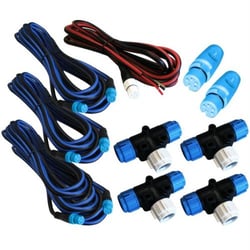
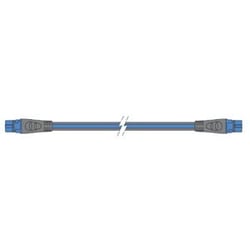
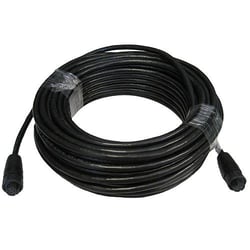
Raymarine's SeaTalk NG (STng) is their proprietary implementation of the NMEA 2000 cabling standard, and it is fully compatible with the NMEA 2000 DeviceNet cabling system through the use of adapters. What sets SeaTalk NG apart is its deliberate physical design: the system uses separate backbone and spur cables, with backbone cables featuring a blue stripe and blue connector ends, while spur cables carry a white stripe and white connectors. Sockets on STng devices and T-connectors use matching colored locking collars to indicate cable type, and backbone cables will not fit spur sockets — and vice versa — preventing costly installation errors.
Adapter Cables: Connecting Two Worlds
The heart of Raymarine's NMEA 2000 interface cable offering is a set of purpose-built adapter cables that let boaters mix and match SeaTalk NG devices with standard DeviceNet equipment. Spur adapters switch between SeaTalk NG and NMEA 2000 DeviceNet cabling right at the back of a device or at the end of a cable, making it easier to integrate Raymarine and non-Raymarine components regardless of which cabling system is used on the vessel.
Two key adapter styles cover the most common scenarios:
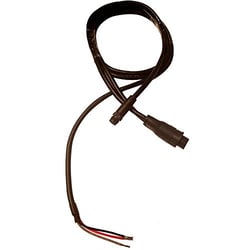
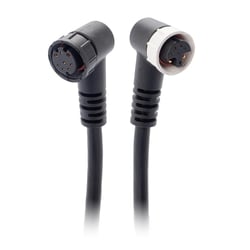
- The Male NMEA 2000 to Female SeaTalk NG Adapter Cable (A06046) makes it easy to connect SeaTalk NG devices to a standard NMEA 2000 network, with an NMEA 2000 micro male connector on one end and a SeaTalk NG female connector on the other.
- The A06045 adapter cable connects an NMEA 2000 device to a Raymarine SeaTalk NG T-Connector, with a female NMEA 2000 connector on one end that plugs directly into the NMEA 2000 device, and a female SeaTalk NG connector on the other; the cable is approximately 10 inches long.
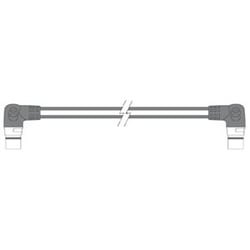
These adapter cables adapt Raymarine SeaTalk NG instruments and displays to work on an NMEA 2000 DeviceNet network, featuring a metal, threaded DeviceNet connector ready to accept a standard NMEA 2000 DeviceNet drop cable, and are available in 120mm, 1m, and 1.5m lengths.
An Extra Wire for Legacy Compatibility
SeaTalk NG cables contain an extra communication wire for SeaTalk 1, allowing older Raymarine devices to integrate with SeaTalk NG-compatible devices — a thoughtful detail for boaters who are upgrading incrementally rather than replacing their entire electronics suite at once.
Backbone-Level Adapters
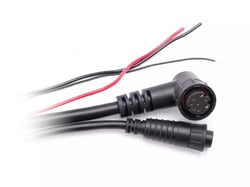
Raymarine also offers cables that adapt STng backbone connections to both male (part number A80674) and female (A80675) standard NMEA 2000 connectors , giving experienced installers the flexibility to interconnect mixed networks at the backbone level, not just at the spur or device level.
Whether you're adding a third-party chartplotter, AIS receiver, engine gateway, or autopilot controller to a SeaTalk NG backbone — or connecting a Raymarine display to an existing DeviceNet network — these interface cables and connectors are the essential hardware that makes it all work cleanly and reliably.