



Oars
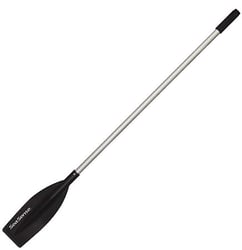

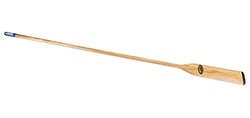

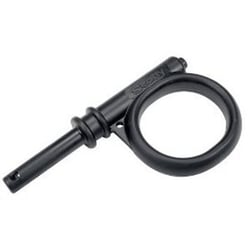

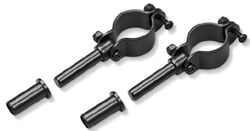

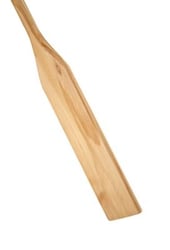

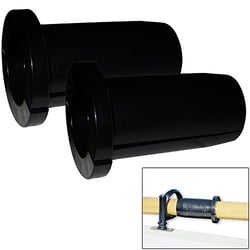


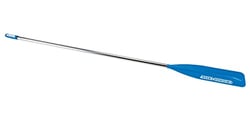
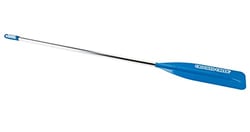










 Representative Photo, actual item may vary

Why Every Boater Needs a Reliable Set of Oars
Oars are far more than a throwback to pre-engine boating — they are a critical piece of on-water safety equipment. Whether your outboard sputters to a stop in the middle of a lake or you need precise, quiet maneuvering while docking a tender, a well-chosen set of oars can be the difference between a minor inconvenience and a genuine emergency. That is why oars fall squarely under the Safety & Survival category of marine gear, alongside life jackets and signaling devices.
Choosing the Right Oar Material
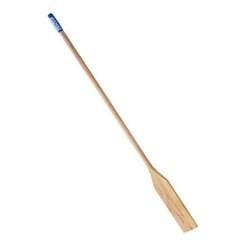
Oar material affects weight, durability, feel, and cost. Wood remains a traditional and widely available choice — spruce is the classic option, light for its stiffness, pleasant to grip, and forgiving over a long row. Wood oars require occasional varnishing to protect against moisture and UV, and while heavier than composite alternatives, they provide a natural flex that many rowers prefer for feel and shock absorption.
Aluminum oars with plastic blades are the most common and most affordable option for dinghies, tenders, and inflatable boats — durable, low-maintenance, and resistant to saltwater corrosion. Polypropylene and composite oars integrate modern engineering for UV-resistance and greater durability in harsh sun or saltwater.
Key Factors to Consider When Shopping for Oars
- Length: Choose an oar length suitable for your boat size; longer oars provide more leverage but may be cumbersome, while shorter oars offer better maneuverability. Oars ranging from 6.5 to 8 feet are typically best for small to medium rowboats.
- Blade Design: Expanded or ribbed blades increase propulsion efficiency by covering more water area with each stroke.
- Portability: Collapsible or telescoping oars are ideal for easy transport and storage, especially useful for small, inflatable boats or kayaks.
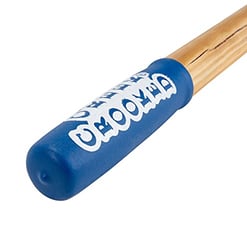
- Grip & Handle: Features like drip rings, ribbed grips, and ergonomically shaped handles improve control and reduce fatigue during long rowing sessions.
- Oarlock Compatibility: Check for additional features like retainer rings or oarlock compatibility to ensure long-term, secure use.
Caring for Your Oars
Think of your oars as essential safety equipment, just like a life jacket — you wouldn't trust a frayed life jacket, and you shouldn't trust a damaged oar. Aluminum oars should always be rinsed with fresh water after saltwater use to ward off corrosion, with special attention paid to the joints on two-piece models, as salt buildup can cause them to seize. Wooden oars should be monitored for cracks or peeling varnish, and a light sand with a fresh coat of marine varnish once a season will prevent moisture from seeping in and causing rot.
Top Brands in Boat Oars
When it comes to trusted names in marine oars and paddle accessories, Trac Outdoor stands out as a well-established manufacturer in the marine accessories space. Trac Outdoor is a manufacturer of marine outdoor products, including popular brands such as Crooked Creek Paddle Company. Crooked Creek specializes in paddles, oars, and other boating, kayaking, and canoeing accessories — making Trac Outdoor a go-to source for recreational boaters who want dependable, purpose-built rowing gear.