



Oil & Fuel Absorber Products



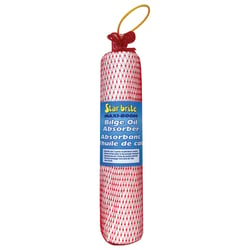
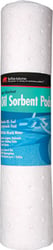
Star Brite 86805 Bilge Oil Absorber Maxi-Boom - Absorbs Oil, Fuel, Diesel & Transmission Fluid
What Are Marine Oil & Fuel Absorber Products?
Every boater dreads the sight of an oily sheen in the bilge. Engine oil, gasoline, diesel, and transmission fluid can accumulate in the lowest part of your vessel over time, and pumping that contaminated water overboard is not just harmful to the environment — it's illegal. Oil and fuel absorber products are purpose-built tools that tackle this problem at the source, keeping your bilge clean, your pump running freely, and our waterways protected.
These products work on a straightforward but important principle: they selectively absorb petroleum-based fluids while repelling water. That means once an absorber has done its job, the remaining bilge water can be legally pumped overboard. The absorbers capture hydrocarbons — including engine oil, gasoline, diesel, and transmission fluid — locking them safely inside the absorbent material until you can dispose of it properly.
Types of Oil & Fuel Absorber Products
Marine oil and fuel absorbers generally come in a few distinct form factors, each suited to different situations:
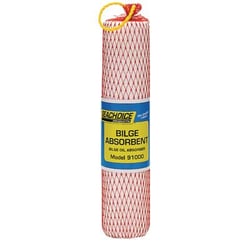
- Bilge booms and socks — Cylindrical absorbers designed to be placed directly in the bilge. They float on the water surface, targeting the oily layer on top while leaving the water below undisturbed. Many include built-in tie-downs to keep them from drifting into and fouling the bilge pump.
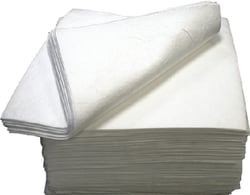
- Absorbent pads and sheets — Flat, flexible pads ideal for use during oil changes, filter swaps, or whenever you need to catch drips under the engine. They can be shaped to fit tight spaces and are a smart addition to any onboard maintenance kit.
- Absorbent pillows — Larger-format absorbers intended for long-term deployment in the bilge, often left in place for an entire boating season before replacement.
Why They Matter for Boat and RV Engines
Beyond legal compliance, keeping petroleum fluids out of your bilge is simply good vessel stewardship. Oil contamination can corrode wiring, degrade hoses, create unpleasant odors, and pose a fire hazard. For RV owners with generators or inboard engines, absorber pads placed under drip-prone components serve the same protective function. A small investment in absorbents pays dividends in cleaner bilges, fewer headaches, and peace of mind on the water.
Top Brands in Oil & Fuel Absorber Products
Seachoice is one of the most trusted names in marine accessories, and their bilge absorber lineup reflects that reputation. Their flagship bilge absorbent is manufactured from solid sheets of 100% blown polypropylene and features a unique "safety skin" — a tough outer fabric layer that helps make the absorber fire-resistant without compromising its oil-absorption capacity. The safety skin also prevents absorbent material from breaking off and fouling moving bilge parts, and convenient tie-downs keep the boom securely positioned.
Starbrite brings decades of marine product expertise to their bilge oil absorber range. Their popular Maxi-Boom is engineered to target petroleum fluids — oil, fuel, diesel, and transmission fluid — while leaving water behind so bilge pumps operate normally. The Maxi-Boom is also reusable: simply wring it out into a bucket and return it to service, making it a cost-effective and environmentally sound choice.
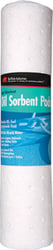
Buffalo Tools rounds out the category with a variety of oil sorbent products including bilge booms, socks, pads, and spill kits. Their line spans multiple weight classes and sizes, giving boaters and RV owners flexible options for everything from routine engine-bay maintenance to larger spill-control needs.