



Oil Filters
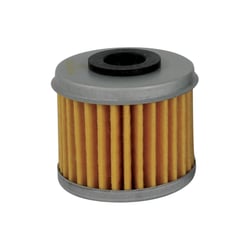

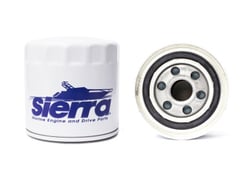

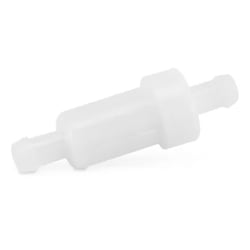
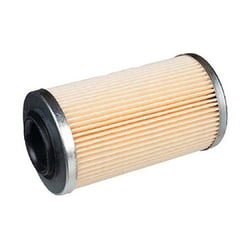
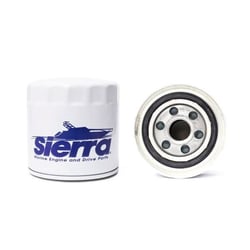
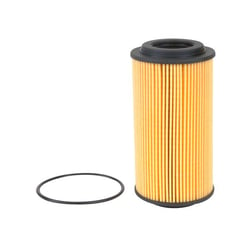
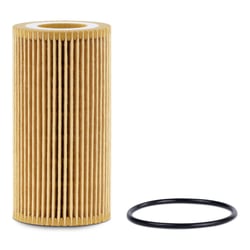
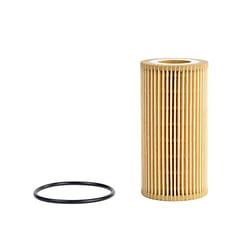
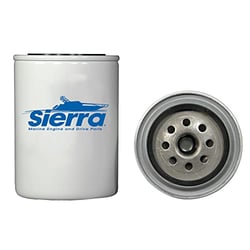
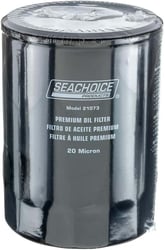
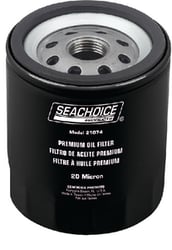
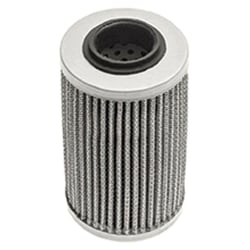
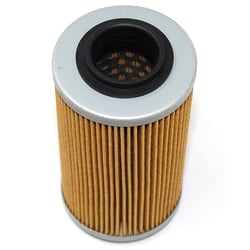
 Representative Photo, actual item may vary
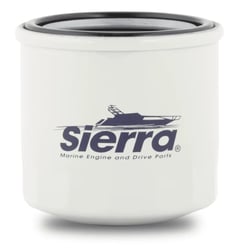
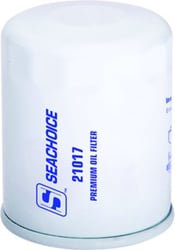
Seachoice C-90012-V106 Full-Flow Oil Filter for Honda Yamaha Marine Engines

Seachoice C-14081-V106 Full-Flow Oil Filter for Johnson Evinrude Suzuki Outboard
Seachoice C-11427-V106 Full-Flow Marine Oil Filter for Mercury Yamaha Outboards
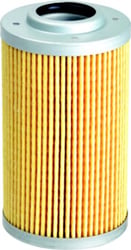
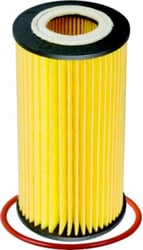

Why Marine Engine Oil Filters Matter
Marine and RV engines operate in some of the most demanding conditions imaginable — extended hours at high RPM, exposure to moisture and salt air, and temperature swings that push lubrication systems to their limits. At the center of your engine's defense against all of that wear is a single, often-overlooked component: the oil filter.
Marine engine oil filters remove contaminants, metal particles, and combustion byproducts from the oil before they can circulate back through critical engine components like bearings, pistons, and camshafts. Using the right oil filter for your boat ensures cleaner oil circulation, better engine performance, and peace of mind on every trip. Skip or delay a filter change, and you risk accelerated wear on parts that are expensive — and sometimes difficult — to replace out on the water.
Marine Oil Filters vs. Automotive Filters: What's Different?
It's tempting to grab a generic automotive oil filter off the shelf, but marine engines have unique design and environmental considerations. High-quality filters that can handle the rigorous demands of a marine environment are essential for optimal performance and durability. Marine-specific filters are built to handle higher vibration loads, saltwater exposure, and the orientation differences common in inboard and outboard engine bays. There is no one-size-fits-all approach when it comes to marine oil filters, as the choice largely depends on the specific engine in question. Always consult your engine's owner manual and match the filter to your exact make and model.
How Often Should You Change Your Marine Oil Filter?
The frequency of replacement can vary depending on the engine's make and model, the type of oil used, and how the boat is operated. As a general rule, it's recommended to change the oil filter with every oil change or as specified by the engine manufacturer. For most recreational boaters, that means at least once per season — and more frequently for high-hour commercial or tournament use. Fresh oil and quality filtration reduce corrosion risk during dormant months, making a filter change before winter storage a smart practice as well.
Top Brands in Marine Oil Filters
Choosing a trusted brand means you're getting filters engineered to meet or exceed OEM specifications. Here are the leading names you'll find in this category:
- Sierra — Sierra is one of the most recognized names in marine aftermarket parts, offering a broad catalog of oil filters designed to replace OEM units across Mercury, Yamaha, Suzuki, and many other engine brands. Their filters are built to meet or surpass original equipment standards, making them a go-to choice for boaters and marine technicians alike.
- Quicksilver — Quicksilver is the official parts and accessories brand of Mercury Marine, meaning their oil filters are engineered specifically for Mercury and MerCruiser engines with precision-fit OEM compatibility. If you're running a Mercury outboard or sterndrive, Quicksilver filters are the factory-recommended choice.
- Seachoice — Seachoice has built a reputation for delivering reliable, value-focused marine components that meet industry standards. Their oil filter selection offers a practical option for boaters seeking dependable filtration without compromising on quality.
- Engineered Marine Products — Engineered Marine Products (EMP) specializes in marine replacement parts and carries a wide assortment of oil filters compatible with a variety of inboard and outboard platforms, making them a solid resource for hard-to-find fitments.
- OMC — OMC (Outboard Marine Corporation) filters are designed for legacy Johnson and Evinrude outboard engines, providing OEM-grade fitment for owners maintaining older two- and four-stroke powerplants.
Key Considerations When Shopping for a Marine Oil Filter
Before purchasing, keep these factors in mind:
- Engine Compatibility: Always verify the filter part number against your engine's make, model, and year. An incorrect filter can lead to leaks or inadequate filtration.
- Thread Size and Gasket Fit: Marine filters must seal perfectly to prevent oil bypass. Ensure thread pitch and gasket diameter match your filter housing.
- Filtration Efficiency: Look for filters with a micron rating appropriate for your engine type — finer filtration catches smaller particles but must be balanced with adequate flow rate.
- Anti-Drainback Valve: Many quality marine filters include a silicone anti-drainback valve to keep oil in the filter when the engine is off, ensuring immediate lubrication on startup.