



Paddles
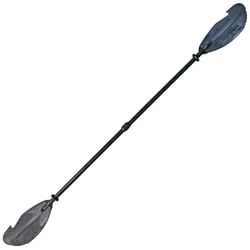
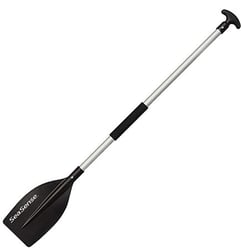

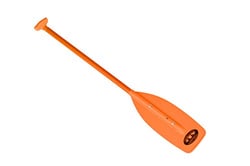
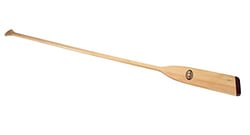
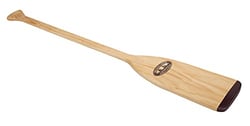
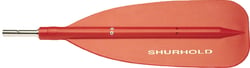


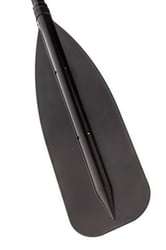

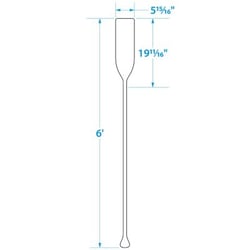






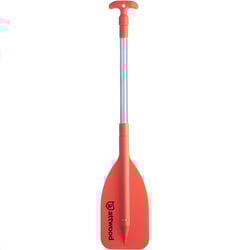

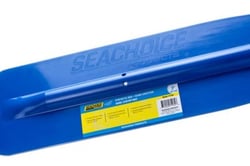
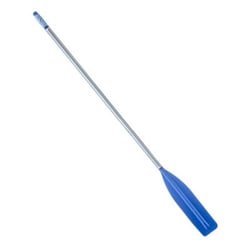
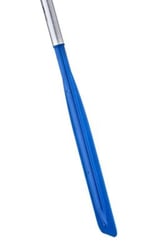
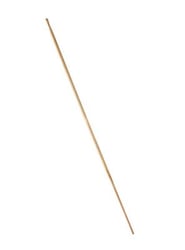
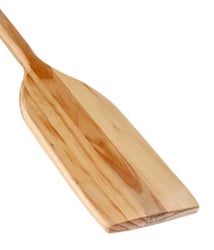
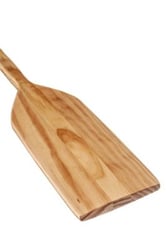

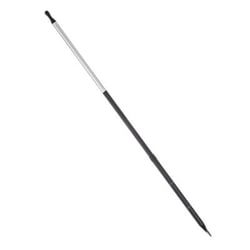






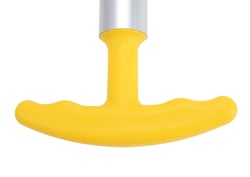
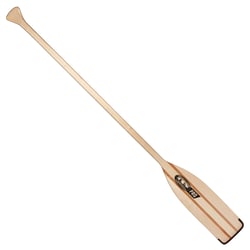
Trac Outdoor 50450 Crooked Creek Aluminum Synthetic Boat Paddle with Hybrid Grip 4 Foot


 Representative Photo, actual item may vary

 Representative Photo, actual item may vary
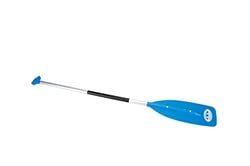
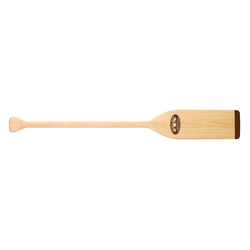
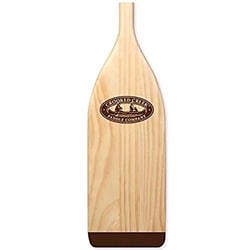
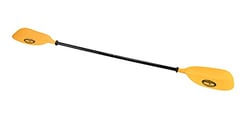
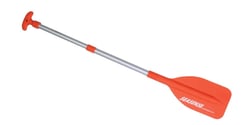
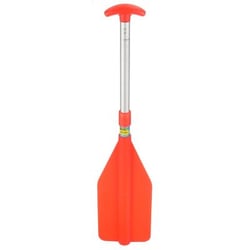
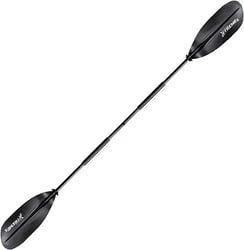

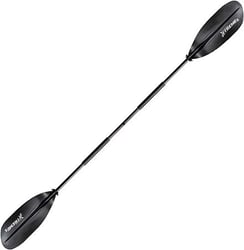
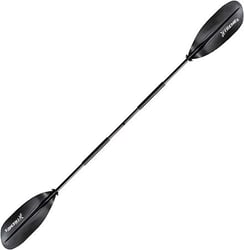
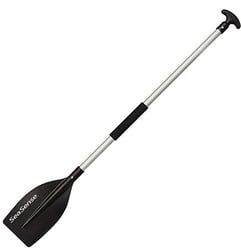
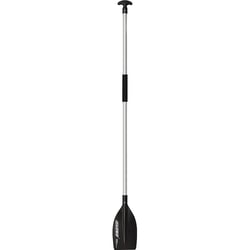
 Representative Photo, actual item may vary

Why a Quality Paddle Is Your Most Critical Piece of On-Water Safety Gear
When you're out on the water — whether navigating a quiet lake, a tidal estuary, or a fast-moving river — your paddle is more than just a means of propulsion. It is your primary tool for control, maneuvering, and self-rescue. In the Safety & Survival category, paddles earn their place alongside PFDs and throw lines as genuinely indispensable equipment. Understanding the different paddle types, materials, and features helps you make a choice that could matter most when conditions turn challenging.
The Role of Paddles in Paddling Safety
Losing or breaking a paddle mid-trip can rapidly escalate a manageable situation into a life-threatening emergency. That's exactly why regulations in many regions require vessels to carry a spare paddle at all times. A backup paddle, securely stored but readily accessible, is there in the event the primary paddle is broken or lost overboard. Whether you're a recreational kayaker on a day trip or an expedition paddler tackling open coastal waters, having at least one reliable spare can be the difference between a self-rescue and a call to emergency services.
Types of Safety and Survival Paddles
- Single-Blade Canoe Paddles: Designed for canoes and open boats, single-blade paddles offer strong, stable strokes and are often carried as spare safety equipment. They are typically more compact to stow than double-blade designs.
- Double-Blade Kayak Paddles: The standard for sit-in and sit-on-top kayaks, double-blade paddles allow efficient forward momentum and quick directional changes — both critical during a capsize recovery or rough-water rescue scenario.
- Break-Apart / Folding Paddles: Many safety-focused paddlers prefer two- or four-piece breakdown paddles as spares. These disassemble for easy stowage in a dry hatch, day bag, or emergency kit without sacrificing usability when deployed.
- SUP (Stand-Up Paddleboard) Paddles: Purpose-built for stand-up paddleboarding, these adjustable-length paddles are increasingly appearing in safety and rescue kits as SUP riding grows in coastal and flatwater environments.
- Emergency Signaling Paddles: Some survival-oriented paddles incorporate high-visibility colors — bright yellows, oranges, and reds — specifically chosen so that paddlers can be spotted from a distance during search-and-rescue operations.
Key Factors to Consider When Choosing a Safety Paddle
Material and Weight: Paddle materials range from basic aluminum and nylon — durable and budget-friendly for spare use — to fiberglass and carbon fiber, which offer a better strength-to-weight ratio for performance-focused paddlers. For a dedicated emergency spare, weight and compactness often matter more than performance characteristics.
Blade Shape and Size: Blade surface area affects stroke efficiency and effort. High-angle blades are more efficient for aggressive, powerful paddling in rough water, while low-angle blades suit relaxed, long-distance touring. For survival scenarios, a mid-range blade provides the best versatility.
Adjustability and Breakdown Design: A paddle that can be broken down into multiple sections is dramatically easier to stow in tight spaces — critical for spares tucked into a kayak's rear hatch or a canoe's bow seat storage. Look for ferruled joints that lock securely and won't slip under load.
Shaft Grip and Ergonomics: In cold or wet conditions, hand fatigue and grip failure can compromise control. Ergonomic, textured shaft designs and paddle grips with indexing (a slight oval shape that orients blade angle) make it easier to maintain proper technique when tired or cold.
Buoyancy: A paddle that floats is far easier to recover after a capsize. Many safety paddles use foam-core blades or buoyant shaft materials to ensure the paddle stays on the surface rather than sinking out of reach.
Pairing Your Paddle with a Complete Safety Kit
A paddle alone doesn't make a complete safety system. Experienced paddlers pair a quality spare paddle with a paddle float — an inflatable device that slips over the blade and functions as an outrigger to assist re-entry after a capsize. Rounding out your kit with a bilge pump, throw line, PFD, and signaling devices ensures you're equipped for a wide range of on-water emergencies. Think of your paddle not just as propulsion, but as the anchor of your whole self-rescue strategy.