



Fuel/Air Separators
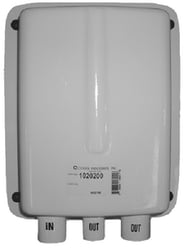

 Representative Photo, actual item may vary

What Are Fuel/Air Separators and Why Do They Matter?
A fuel/air separator is a critical safety and performance component for marine and RV engines. As fuel travels from the tank through the fuel lines to the engine, it can pick up entrained air bubbles and vapor — especially in warm weather or after the engine has been sitting. If that air reaches the fuel pump or carburetor, it can cause vapor lock, hard starting, rough running, or even sudden engine cutout on the water or road. A fuel/air separator intercepts the fuel before it reaches the engine, allowing air and vapor to vent off harmlessly while delivering a steady, bubble-free fuel supply downstream.
How Fuel/Air Separators Work
Most fuel/air separators function through a combination of low-velocity flow chambers and a vented canister design. As fuel enters the separator, the reduction in flow speed allows lighter air and vapor to rise and escape through a vent, while denser liquid fuel continues forward to the engine. Many designs also incorporate a built-in filter element that catches particulates along with removing air — giving boaters and RV owners a two-in-one solution for clean, consistent fuel delivery.
In a marine environment, fuel/air separation is especially important because of the unique hazards of boating. Unlike a car that can simply coast to the shoulder, a vessel losing power unexpectedly on open water creates a dangerous situation. For this reason, many professional marine installers and Coast Guard-conscious builders consider a quality fuel/air separator an essential part of any marine fuel system.
What to Look for When Shopping Fuel/Air Separators
- Flow Rate Compatibility: Make sure the separator is rated for your engine's fuel demand — undersized units can restrict flow and cause their own performance issues.
- Material and Corrosion Resistance: Marine environments are harsh. Look for units made from marine-grade materials that resist saltwater corrosion and fuel degradation.
- Vent Configuration: Some separators vent to atmosphere while others return vapor to the tank. Verify compatibility with your vessel's fuel system design and any applicable regulations.
- Integrated Filtration: A combined filter/separator reduces the number of components in your fuel system and simplifies maintenance.
- Ease of Service: Bowl-style designs with a removable base make draining and inspecting the separator straightforward during routine maintenance.
Top Brands in Fuel/Air Separators
Centek is a well-respected name in marine systems engineering, known for building components that meet the demanding standards of professional boat builders and serious recreational boaters alike. Their fuel/air separators are designed with durable marine-grade construction and dependable vapor-removal performance, making them a go-to choice for those who want peace of mind on the water.
Engineered Marine Products brings a focused, application-specific approach to marine fuel system components. Their fuel/air separator offerings are purpose-built for the rigors of marine use, emphasizing reliable fuel flow and compatibility with a range of inboard and sterndrive engine configurations.