



Roto-Molded Seats
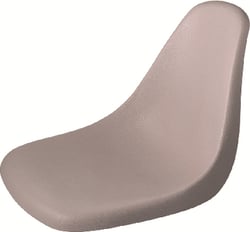

What Are Roto-Molded Boat Seats?
If you spend serious time on the water, the construction of your boat seating matters just as much as the upholstery on top. Roto-molded boat seats — short for rotationally molded seats — are marine seats whose structural bases and shells are manufactured through a process in which polymer material, typically polyethylene, is placed inside a mold that is heated and rotated along two perpendicular axes. As the material melts, it evenly coats the inner surface of the mold, forming a seamless, hollow structure with consistent wall thickness throughout. Once cooled, the result is a single-piece seat shell that is both lightweight and exceptionally strong.
Why Rotational Molding Is Ideal for Marine Seating
The marine environment is one of the harshest on earth for any material — constant UV exposure, saltwater spray, humidity, and repeated impact all take their toll on lesser materials. Roto-molded seats are specifically engineered to meet these challenges head-on. The rotational molding process produces components that are virtually immune to corrosion, cracking, and blistering — problems that frequently plague seats built from traditional fiberglass, aluminum, or wood-framed alternatives.
Unlike assembly methods that join multiple pieces together, rotational molding produces one-piece designs that eliminate welds and joints — the very weak points where water intrusion, rust, and structural failure typically begin. The result is a seat shell with uniform wall thickness that effectively absorbs shocks, especially at corners and stress areas. Many OEM boat builders have adopted rotomolding over fiberglass or wood precisely because these one-piece designs are engineered to withstand the elements for the life of the vessel.
Another advantage is weight. Rotomolded plastic seat bases and shells are lighter than their fiberglass or metal counterparts, reducing the overall load on your boat without sacrificing rigidity or comfort. And because color-matched resins can be used in the molding process itself, the finish won't chip or fade the way painted metal or fiberglass surfaces often do after seasons of hard use.
Construction Features to Look For
When shopping for roto-molded boat seats, pay attention to these key construction details:
- Polyethylene (PE) seat bases: High-density or linear low-density polyethylene resists UV rays, saltwater corrosion, and chemical exposure for years of reliable service.
- Molded drain channels: Integrated channels in the seat base allow water to escape rather than pooling beneath cushions, protecting your deck and flooring from moisture damage.
- Marine-grade upholstery: The best roto-molded seats pair their durable plastic shells with marine-grade vinyl cushions treated for UV and mildew resistance, along with quality foam that provides all-day comfort.
- Stainless steel hardware: Look for seats that use stainless steel fasteners, staples, and mounting hardware to prevent rust in wet environments.
- Standard mounting compatibility: Most quality roto-molded seats are designed to mount on industry-standard four-bolt pedestal systems or sliders for easy installation and future upgrades.
Where Roto-Molded Seats Are Used
Roto-molded seating is found across a wide range of watercraft — from center-console fishing boats and bass boats to pontoons, offshore vessels, and personal watercraft. Their combination of structural durability, low maintenance, and design flexibility makes them equally at home in a weekend pontoon lounge chair or a captain's helm seat on a hard-working fishing rig. Whether you're replacing a worn-out original seat or upgrading to better comfort and longevity, roto-molded boat seats represent a proven, long-term investment in your time on the water.