



Spark Plugs
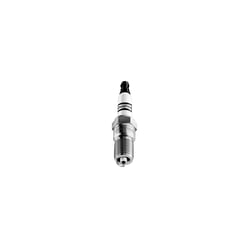

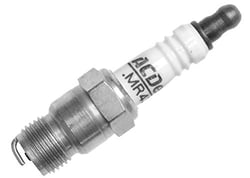

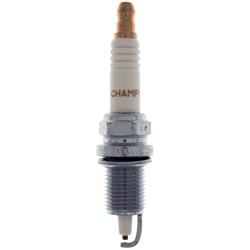
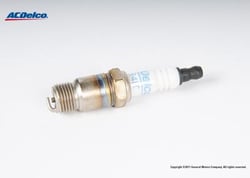
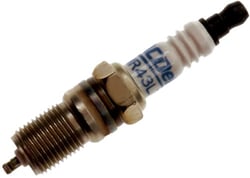

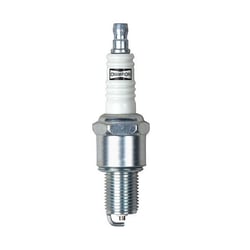
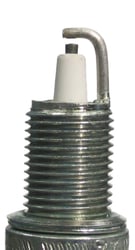
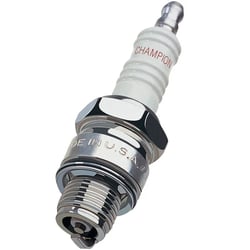
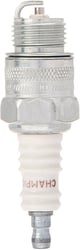
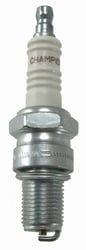
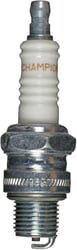
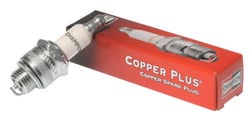
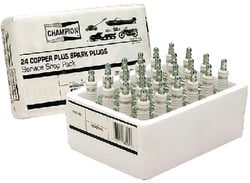
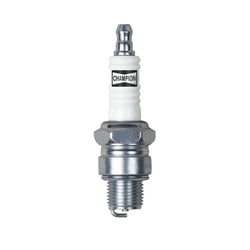
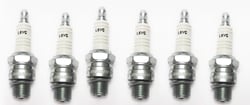
 Representative Photo, actual item may vary

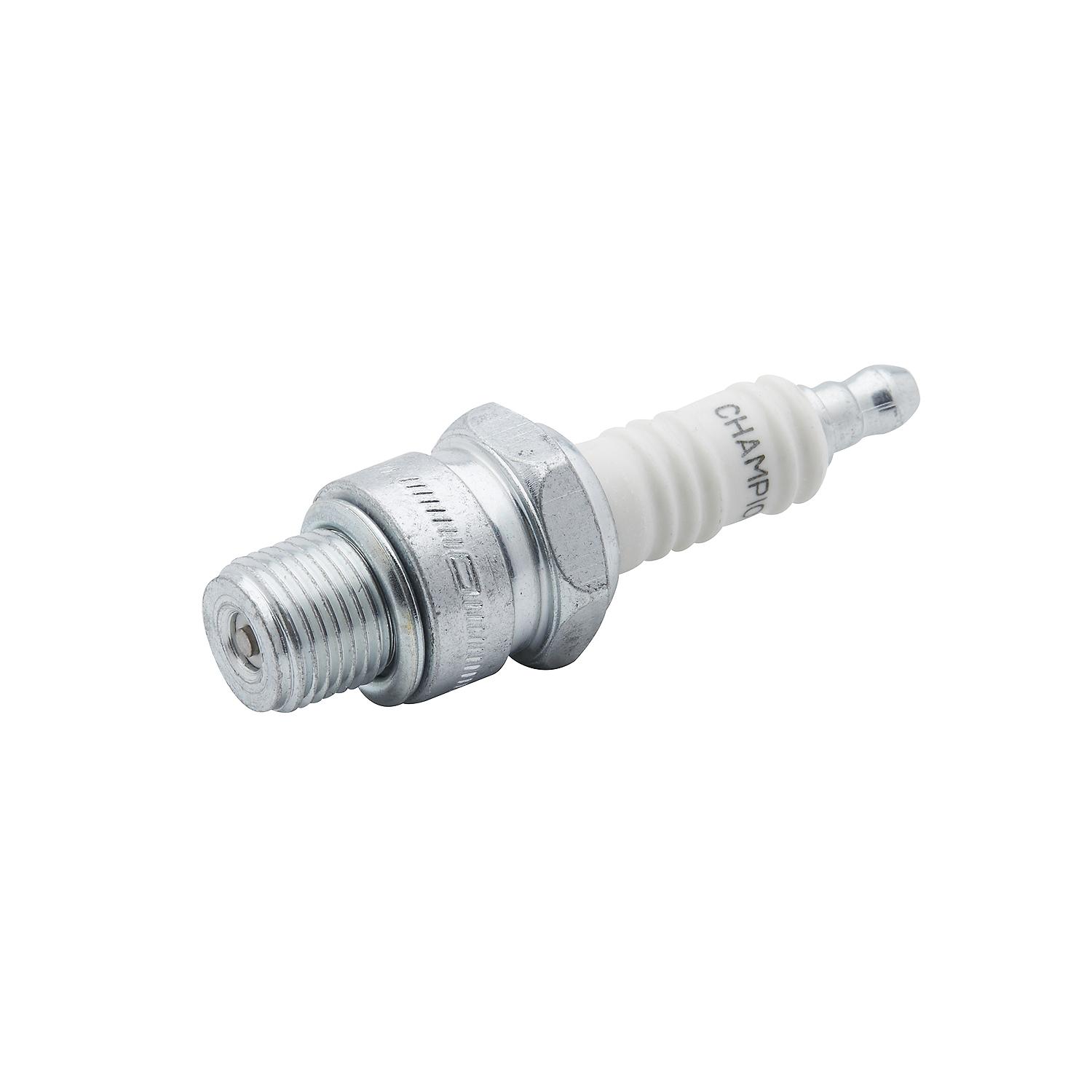 Representative Photo, actual item may vary

 Representative Photo, actual item may vary

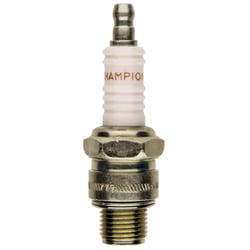
Why Spark Plugs Matter in RV and Marine Engines
Spark plugs may be small, but they play an absolutely critical role in any internal combustion engine. In RV and marine applications, a healthy spark plug is the difference between a smooth-running engine and one that misfires, idles roughly, or fails to start altogether. Every time the engine cycles, the spark plug ignites the air-fuel mixture inside the combustion chamber — and it does this thousands of times per minute under extreme heat and pressure.
Marine and RV engines face particularly demanding conditions. Boat engines contend with salt air, humidity, and prolonged wide-open-throttle use that can accelerate plug wear. RV generators and coach engines may sit idle for extended periods and then need to fire up reliably after months of storage. Choosing the right spark plug — and replacing it on schedule — is one of the most cost-effective maintenance steps you can take to protect your investment.
What to Look for in RV & Marine Spark Plugs
- Heat Range: Marine and RV engines often run hotter or under heavier loads than standard automotive engines. Matching the correct heat range to your engine prevents pre-ignition and fouling.
- Electrode Material: Copper plugs offer excellent conductivity and are ideal for older or naturally aspirated small engines. Platinum and iridium options provide longer service life for modern engines.
- Thread Size & Reach: Always verify that the plug's thread diameter, reach, and seat type match your engine's specifications precisely — an ill-fitting plug can damage threads or cause dangerous compression leaks.
- Resistor vs. Non-Resistor: Many marine applications require resistor-type plugs to suppress radio frequency interference (RFI) with onboard electronics and navigation equipment.
Top Spark Plug Brands for RV & Marine
Champion is one of the most recognized names in spark plug technology, with decades of experience supplying plugs for marine outboards, inboard engines, and small powerplant applications. Their extensive cross-reference catalog makes it easy to find the correct plug for virtually any engine.
Autolite has built a strong reputation for reliable ignition performance across a wide range of small and medium-displacement engines. Their plugs are widely used in marine and generator applications where consistent cold starts and stable idle quality are essential.
Fram, best known for filtration products, also offers spark plugs engineered for dependable performance in small engines — a solid choice for RV auxiliary systems and compact marine powerplants.
Briggs & Stratton produces OEM-specification spark plugs designed specifically for their own engines, which power countless RV generators, pressure washers, and utility equipment. Using a Briggs & Stratton plug in a Briggs & Stratton engine ensures the correct heat range and fitment right out of the box.
Kohler Small Engine similarly offers factory-spec spark plugs tailored to their Command and Courage engine series — popular in RV generators and marine auxiliary power units. OEM plugs from Kohler help maintain warranty compliance and optimal combustion efficiency.
When to Replace Your RV or Marine Spark Plugs
Most manufacturers recommend inspecting spark plugs every season and replacing them every 100 hours of operation or annually, whichever comes first. Signs of a worn plug include rough idling, hard starting, reduced fuel economy, and engine hesitation under load. Keeping fresh plugs installed before a long boating season or road trip is simple preventive maintenance that pays dividends in reliability and peace of mind.