



Split Loom & Spiral Wrap
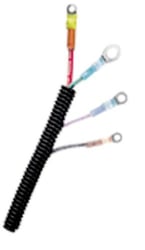

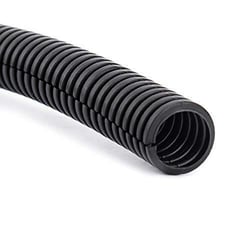
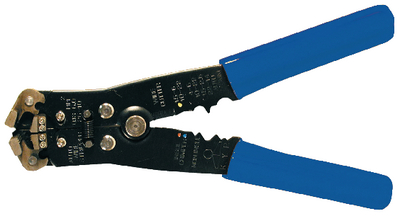 Representative Photo, actual item may vary
 Representative Photo, actual item may vary
What Is Split Loom & Spiral Wrap?
Split loom and spiral wrap are two of the most widely used wire management solutions for automotive, marine, and electrical applications. Whether you're routing a fresh wiring harness through an engine bay, tidying up a boat's electrical runs, or protecting cables from the elements, these flexible conduits are essential tools for any serious builder or technician.
Split loom tubing — also called convoluted tubing — is a flexible protective sleeve with a lengthwise slit that allows wires and cables to be snapped in quickly without having to thread them through from one end. Spiral wrap, on the other hand, coils around bundles in a helix pattern, giving installers the added advantage of allowing individual wires to branch off at multiple points along the run. Both formats serve the same fundamental purpose: keeping wiring safe, organized, and looking professional.
Why Wire Protection Matters
Exposed wiring is one of the most common culprits behind electrical gremlins in vehicles and boats. Without proper protection, wire bundles are vulnerable to a wide range of hazards. The tubing provides a physical barrier that helps prevent abrasion, bending, and other types of mechanical damage that can affect the integrity of wires and cables — ultimately extending their service life and reducing the need for costly repairs.
In automotive and marine environments specifically, wiring must also contend with heat, moisture, vibration, and chemical exposure. That's why material selection matters: quality split loom and spiral wrap products are typically constructed from polyethylene or polypropylene that can withstand a wide range of temperatures and environments, and marine-grade products are often engineered to meet strict industry standards like ABYC E-11.
Split Loom vs. Spiral Wrap: Choosing the Right Solution
The right choice depends on your application. Split loom excels when you need a closed, protective channel — its rigid corrugated construction guards against abrasion and crushing, making it ideal for engine compartments, undercarriages, and any area where wires might contact sharp or moving surfaces. Spiral wrap is favored when flexibility and mid-run wire access are priorities, since cables or wires can enter and exit the covering at multiple points along its length, making it a popular choice in aerospace and marine wiring applications.
- Split Loom: Best for routing fixed harnesses; snaps open for quick wire insertion; strong crush resistance
- Spiral Wrap: Best for flexible routing with multiple branch-off points; easier to wrap around existing installations; available in UV-resistant formulations for outdoor use
Key Considerations When Shopping
When selecting split loom or spiral wrap, keep these factors in mind:
- Diameter: Match the conduit's inner diameter to your wire bundle size — going too small makes installation difficult, while too large leaves wires unsecured
- Material: Fire-retardant, self-extinguishing polyethylene is preferred for marine and automotive use; UV-stabilized materials are essential for outdoor and on-deck installations
- Compliance: For marine applications, look for products that meet ABYC E-11 electrical standards
- Length: These products are sold in rolls or spools — plan your run lengths carefully to avoid waste
Top Brands in Split Loom & Spiral Wrap
Trident Hose is a well-regarded name in the marine industry, offering split wire conduit specifically engineered for multi-wire harness and cable routing applications. Trident's split wire conduit is constructed from fire-retardant, self-extinguishing polyethylene and meets UL 94 V-2 requirements as per ABYC E-11 standards, making it a trusted choice for demanding marine electrical installations.