



Starters - Outboard
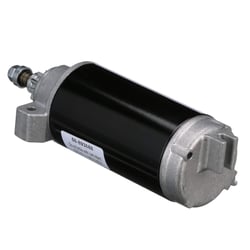
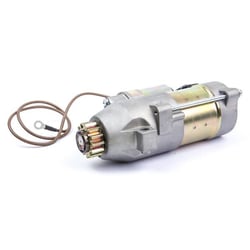
Quicksilver 893888T Starter Motor Assembly for Mercury Mariner 40-60hp FourStroke Outboards

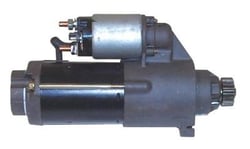

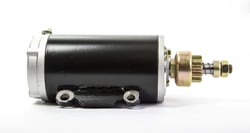
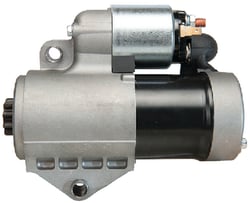
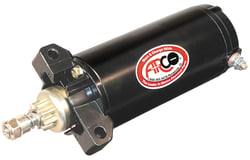

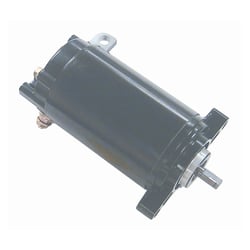
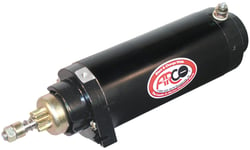

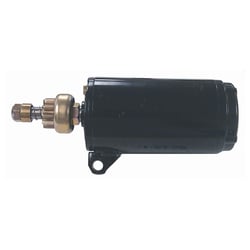
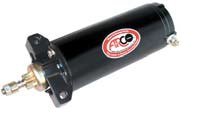
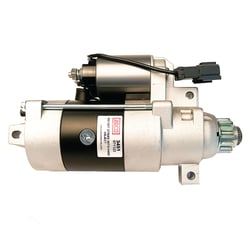
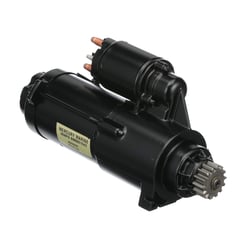
 Representative Photo, actual item may vary
Engineered Marine Products 50-78652 Outboard Starter Motor for Johnson/Evinrude 4-Cyl 90-140 HP

 Representative Photo, actual item may vary
Engineered Marine Products 50-39691 Replacement Starter Motor for Suzuki Outboard
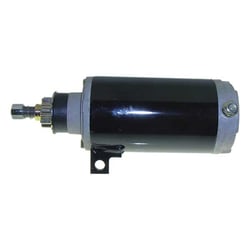
Engineered Marine Products 50-02842 Outboard Starter for BRP V4 90-115HP 10-Tooth
 Representative Photo, actual item may vary
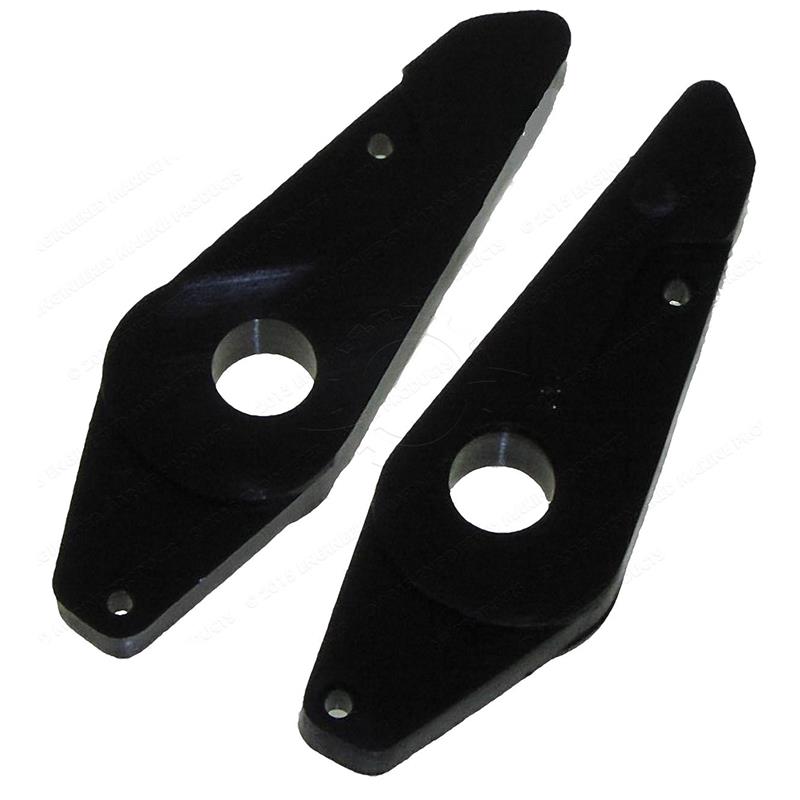 Representative Photo, actual item may vary
Engineered Marine Products 50-26050 Marine Starter for Mercury Mariner Outboard Engines
 Representative Photo, actual item may vary
Engineered Marine Products 50-72718 Marine Starter Motor for Yamaha Outboards
 Representative Photo, actual item may vary
Engineered Marine Products 50-54097 Starter Motor for Johnson/Evinrude Outboards
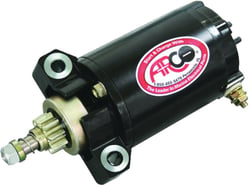
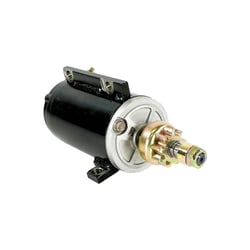
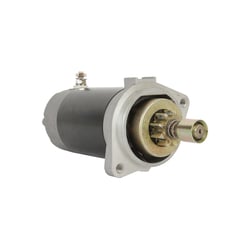
Quicksilver 8M6007365 Marine Engine Starter 12-Volt for Suzuki Nissan Tohatsu Outboards
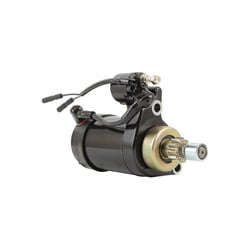
Quicksilver 8M6007338 12-Volt Engine Starter for Honda 15-20hp Outboards 2003-2014
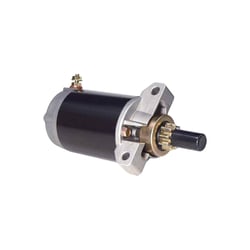
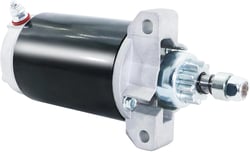
Quicksilver 893890T Starter Motor Assembly for Mercury Outboard 2-Stroke Engines
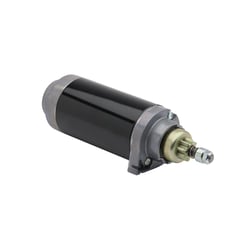
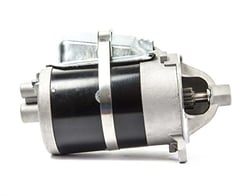
Sierra 18-5917 Remanufactured Marine Starter for OMC Sterndrive & Cobra Stern Drives

Engineered Marine Products 300-01744 Starter Pawl for Johnson Evinrude OMC Outboards
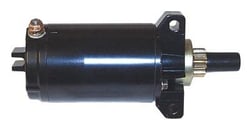
Sierra 18-6436 Counter-Clockwise Rotation Starter Motor for Mercury/Mariner Outboard
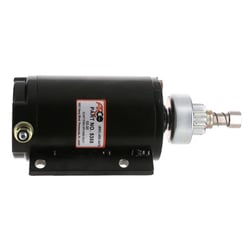
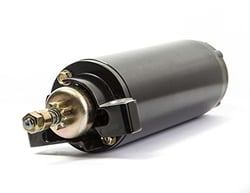
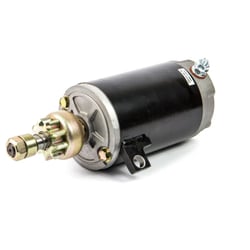
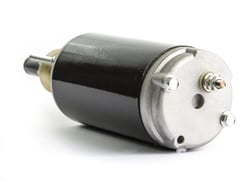
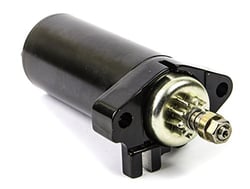
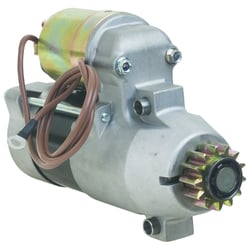
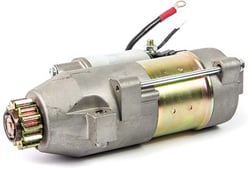
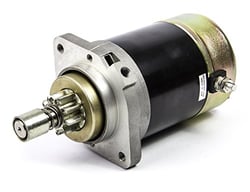
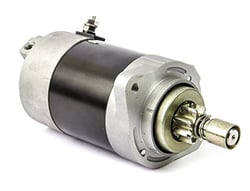
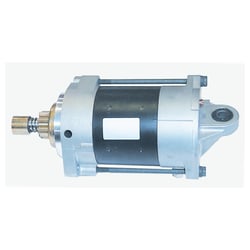
Sierra 18-6415 Outboard Starter Motor 9-Tooth Drive Gear for Yamaha 115-250 HP
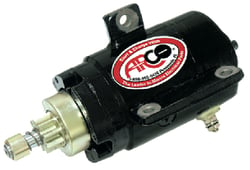
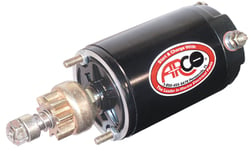
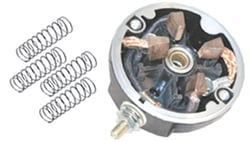
Arco Starting & Charging SR372 Brush Holder Assembly for Evinrude Johnson Starters
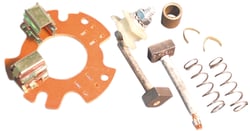
Arco Starting & Charging SR102 Starter Repair Kit for Prestolite 2-Brush Outboard Starters
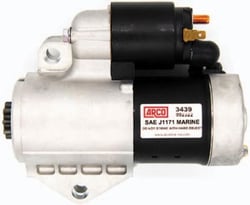
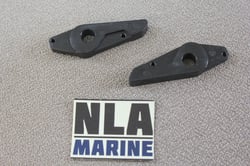
Engineered Marine Products 300-01633 Recoil Starter Pawl 2-Pack for Johnson Evinrude Outboards
 Representative Photo, actual item may vary
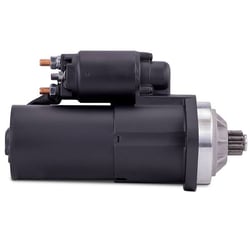
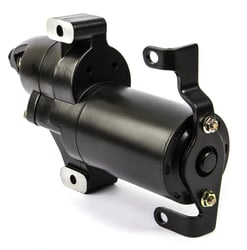
 Representative Photo, actual item may vary
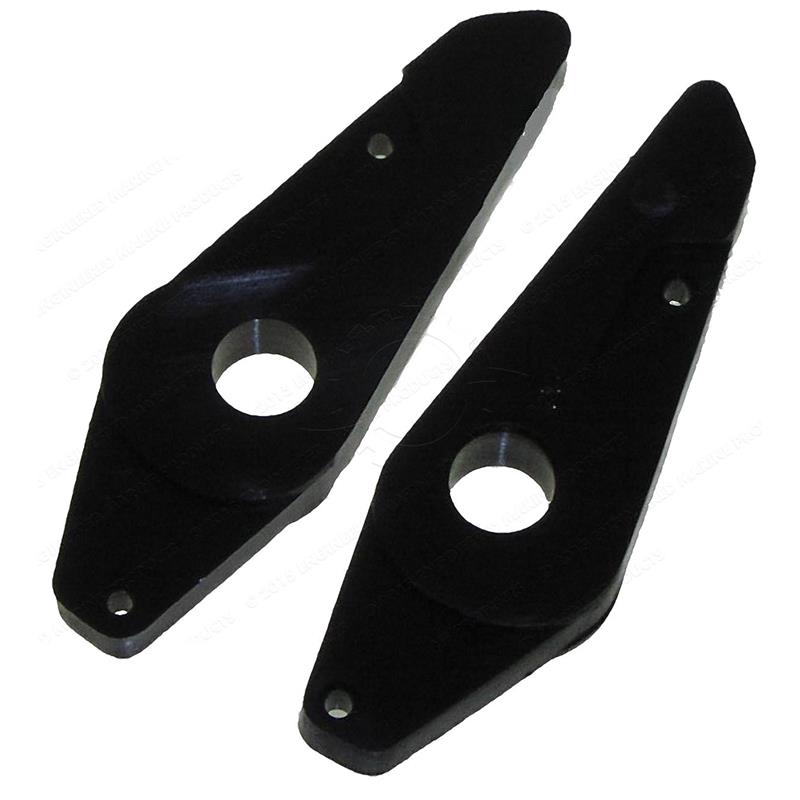 Representative Photo, actual item may vary
Engineered Marine Products 93-06506 Recoil Starter Spring Engine Parts & Accessories
What Is an Outboard Starter — and Why Does It Matter?
Every time you turn the key or press the ignition button on your boat, a small but mighty component is doing the heavy lifting: the outboard starter motor. This electric motor is responsible for cranking your outboard engine to life, providing the initial rotational force needed to begin the combustion cycle. Once the engine fires and begins running on its own, the starter disengages — but without a properly functioning starter, you're not going anywhere.
The starter works in concert with the starter solenoid, which acts as an electrical relay. When you turn the key, the solenoid takes a small amount of current from the battery and amplifies it, directing a larger current to the starter motor itself. The starter then spins the engine over until combustion takes hold and the engine runs independently. A fault anywhere in this chain — worn brushes, solenoid failure, corroded connections, or a weak battery — can result in a frustrating click or silence instead of a running engine.
Outboard Starters vs. Automotive Starters: Key Differences
It's tempting to assume that a marine starter and an automotive starter are interchangeable, but the marine environment demands much more. Outboard starters must resist constant exposure to moisture, salt air, and vibration that would quickly degrade a standard automotive unit. Marine-grade starters feature corrosion-resistant materials and sealed designs engineered to hold up season after season on the water. The solenoid wiring configuration also differs between outboard and automotive applications, so using the wrong part can lead to electrical problems or even safety hazards.
Signs Your Outboard Starter Needs Replacing
Recognizing the warning signs of a failing starter can save you from being stranded on the water. Common indicators include:
- Clicking without cranking — often a sign of a faulty solenoid or insufficient battery power reaching the starter
- Slow or sluggish cranking — worn internal brushes or corroded terminals reducing electrical flow
- Intermittent starting — the starter engages sometimes but not others, suggesting internal wear or loose connections
- Complete no-start — the starter has failed entirely and requires replacement
Before condemning the starter outright, it's worth inspecting the battery connections, solenoid, and wiring for corrosion or damage, as these are common culprits that can mimic a bad starter motor.
What to Look for When Buying an Outboard Starter
When shopping for a replacement outboard starter, the most critical factor is fitment. Starters are application-specific — they must match the engine make, model, horsepower, and year, as well as the correct tooth count on the drive gear. Always verify the OEM part number or cross-reference it against a reliable application guide. Beyond fitment, look for units that meet or exceed OEM specifications for cranking torque and are tested for marine-grade corrosion resistance.
Top Brands in Outboard Starters
Engineered Marine Products is a specialist marine parts supplier offering a focused selection of outboard engine components. Their starters are sourced with direct OEM application cross-referencing in mind, making them a go-to option for boaters seeking reliable, correctly-fitted replacement parts for Mercury, Mariner, and other popular outboard platforms.