



Transmission Fluid
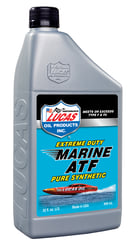


Why Transmission Fluid Matters for RVs and Marine Applications
Whether you're navigating open water or logging miles on an extended RV road trip, your transmission is one of the hardest-working components in your drivetrain. Transmission fluid is the lifeblood of that system — it lubricates gears, cools internal components, reduces friction, and helps transfer power smoothly from the engine to the drive. Neglecting a fluid change or using the wrong product can lead to sluggish shifting, accelerated wear, and eventually costly transmission failure. In marine and RV environments, where engines often run under sustained heavy loads and in variable weather conditions, choosing the correct fluid is even more critical.
What to Consider When Choosing RV & Marine Transmission Fluid
Not all transmission fluids are created equal, and the RV and marine world adds another layer of complexity. Key factors to consider include:
- Fluid Type: Automatic transmission fluids (ATF), manual transmission fluids, and dedicated marine reverse-gear fluids have distinct formulations. Always match the fluid type to your manufacturer's specification (e.g., Dexron, Mercon, JASO MA2).
- Viscosity: Operating temperature ranges in marine environments can be extreme. Select a viscosity grade rated for your typical conditions — a fluid with strong low-temperature flow properties prevents hard shifting in cold weather, while thermal stability protects against breakdown under load.
- Synthetic vs. Conventional: Synthetic formulations generally offer superior oxidation resistance, wider temperature performance windows, and extended service intervals — advantages well-suited to demanding RV and marine use.
- OEM Compatibility: Many marine engines and RV powertrains have specific factory-approved fluid requirements. Using an OEM-spec fluid protects your warranty and ensures optimum performance.
Top Brands for RV & Marine Transmission Fluid
Honda is a first-choice option for owners of Honda-powered marine engines and RV powertrains. Honda's factory-spec transmission fluids are engineered to meet the precise tolerances of their own engines, making them the benchmark for OEM-grade protection and compatibility.
Motul is a globally respected lubricant manufacturer with a dedicated marine product line. Considered a top name in motorsports lubricants, Motul also produces products for marine and other powersport applications. Their ATF lineup covers a wide range of specifications, including fluids suited for automatic gearboxes, torque converters, power steering systems, and boat reversing gears.
Maxima brings a motorsports heritage to the world of powersport and marine lubrication. Their mineral-based motorcycle transmission lubricants are formulated for use in both 2-stroke and 4-stroke transmissions, providing excellent film thickness and viscosity stability across all operating temperatures, and their proprietary ClutchSaver™ formula ensures optimal clutch engagement while minimizing wear.
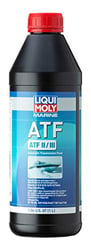
Liqui Moly is a German lubricant brand known for rigorous engineering standards and broad specification coverage. Their transmission fluid lineup is respected across automotive, powersport, and marine segments, offering high-performance protection engineered to meet strict international standards.
Keeping Your Transmission in Top Shape
Regular transmission fluid service is one of the most cost-effective maintenance steps you can take. Check your engine or gearbox manufacturer's service intervals, inspect fluid condition periodically for discoloration or burnt smell, and always use a fluid that meets or exceeds the recommended specification. A well-maintained transmission means more reliable time on the water or road — and fewer surprises when you need your equipment most.