



Utility Cables
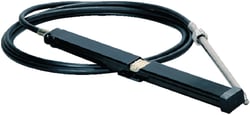

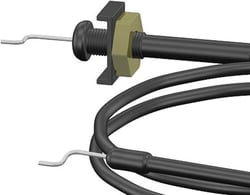

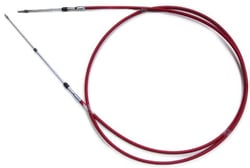

 Representative Photo, actual item may vary
Seastar Solutions SSCX15422 Xtreme Back Mount Rack Replacement Cable 22 Foot
What Are Marine Utility Cables?
Marine utility cables are flexible, push-pull cables designed for remote mechanical control of a wide range of onboard systems. Unlike steering or throttle/shift cables, utility cables handle the auxiliary functions that keep a vessel running safely and efficiently — including engine choke, diesel engine stop, fuel shut-off valves, vents, switches, and other secondary control applications.
At their core, these flexible, push-pull cables can be used for remote control of choke, throttle, shut off, fuel valves, vents, and many other applications. Because they're designed for panel mounting and general-purpose use, they provide a reliable mechanical link between a helm panel or console and components that might otherwise be difficult to reach directly.
Why Utility Cables Matter
Marine-grade cables are engineered for corrosion resistance, low friction, and longevity — in use, they endure constant motion, vibration, salt exposure, and tight routing. In a utility cable, these properties are just as critical as in a steering cable. A choke cable that binds or a diesel stop cable that fails to actuate cleanly can mean the difference between a controlled shutdown and a dangerous situation on the water.
Utility stop cables are designed for use as diesel engine stop cables, engine choke cables, or for operating switches or valves such as fuel shut-off valves. Many designs allow the cable to be cut to the exact length needed during installation, offering flexibility for custom routing in tight engine compartments.
Key Considerations When Shopping Utility Cables
- Length: Measure the existing cable end-to-end or follow the manufacturer's routing method — control to engine plus allowance for bends. Choosing the next size up and trimming to fit is often recommended.
- Routing: Avoid sharp bends — larger radii reduce friction and prevent premature wear on the cable core.
- Corrosion Resistance: Look for cables with a solid stainless steel single core with a protective outer casing with good resistance to UV and chemicals — essential for both freshwater and saltwater environments.
- Included Hardware: Many utility cables are designed to be panel mounted and come complete with mounting nuts, along with both a T-handle and a round knob handle to suit most utility cable applications.
- System Compatibility: Match cable type and series to your engine and control system; use OEM cross-references when available.
Top Brands in Marine Utility Cables
Seastar Solutions is the industry standard for marine control and utility cables. Their cables feature a solid stainless steel core wire that resists corrosion and moves easily in a non-metallic liner even after months of storage, and they use standard Morse/Teleflex throttle connection kits — making them highly compatible across a broad range of boat systems.
Teleflex has a long heritage as a pioneer in marine steering and control cable technology. Teleflex Marine is a leading manufacturer of aftermarket parts and accessories for many marine-related applications including steering cables, steering systems, and steering kits. Today, the Teleflex legacy lives on through the Seastar Solutions product line, and Teleflex cables are manufactured with chemical-resistant casing and can be used to replace original equipment cables across many major engine brands — making them a trusted name for both OEM replacement and aftermarket upgrades.