



Watersports Helmets

Why Watersports Helmets Matter
Whether you're navigating whitewater rapids, responding to a swift-water rescue call, or competing in offshore powerboat racing, your head is exposed to serious risk. Rocks, boat hulls, floating debris, and the sheer force of high-speed water impact can all cause significant head injuries in an instant. A purpose-built watersports helmet is one of the most critical pieces of protective gear you can invest in — and unlike standard helmets designed for dry-land activities, these helmets are engineered specifically for aquatic environments.
What Makes a Watersports Helmet Different
Watersports helmets are designed to address hazards unique to the water. Impact resistance is paramount — hitting the water at a high rate of speed can feel like hitting concrete, so watersports helmets need to absorb and deflect the energy of an impact away from the athlete's head. Beyond impact, these helmets are built with materials that won't waterlog or degrade from prolonged exposure to water. Buoyancy is a unique quality that watersports helmets offer that other helmet types lack.
Ventilation is another key design consideration. A helmet with ventilation and moisture-wicking features can help keep you cool and comfortable during extended time on the water. Most quality watersports helmets also include secure, adjustable retention systems — typically ratchet-style — to ensure the helmet stays put during dynamic, high-movement activities.
Certifications to Look For
Not all helmets are created equal, and certification matters enormously in this category. When choosing a watersports helmet, not all options meet safety standards — a certified helmet is designed to reduce the risk of head injury by providing optimum safety, while a non-certified helmet may look adequate but cannot reliably prevent serious injuries. The CE EN 1385 standard, set by the European Committee for Standardization, covers canoeing and white water sports helmets for rapids ranging from Class I to Class IV and is widely regarded as the benchmark for watersports helmet safety.
Top Brands in Watersports Helmets
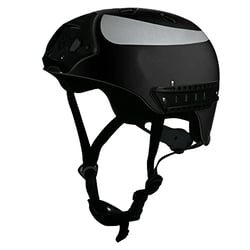
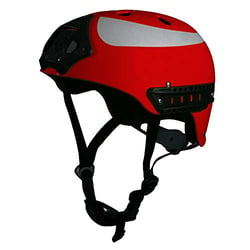
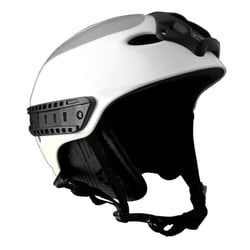
First Watch is a name synonymous with professional-grade marine safety gear. Built for durability and reliable performance, First Watch helmets provide essential protection in swiftwater and technical water rescue scenarios, and are trusted by professional rescue teams. Their helmets, such as the WH-100 series, are engineered for lightweight and comfortable protection and comply with the CE EN 1385-2012 water helmet standard. Features like an ABS shell with a closed-cell EVA molded foam liner, an easy-fit ratchet adjuster, removable foam earpads, 9 ventilation holes, and accessory side rails with NVG/GoPro mounting brackets make First Watch helmets a top pick for both rescue professionals and serious watersports enthusiasts.
Stilo brings its motorsport pedigree to the water with a lineup of offshore racing helmets built for the most demanding marine environments. Stilo offers a range of offshore full-face and open-face helmets designed to exceed the demands of extreme maritime environments, with the WRC Venti Offshore standing out for its cutting-edge technology and premium craftsmanship. The WRC Venti Offshore incorporates a signature fluorescent orange finish for high visibility during intense offshore powerboat races and features superior electronics with padded ear cups renowned for noise-canceling properties.
Choosing the Right Watersports Helmet
The right helmet depends on your activity. Rescue professionals and paddlers who need certified impact protection and rugged durability will find helmets like those from First Watch ideal, while offshore powerboat racers and competitive marine motorsport athletes will benefit from the advanced safety ratings and communication integration that Stilo provides. In either case, prioritize fit — a good watersports helmet should be snug and comfortable, with a secure chin strap to keep it in place during rough conditions.