



Rope & Cordage

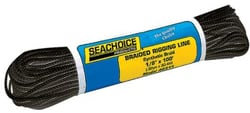
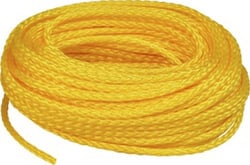
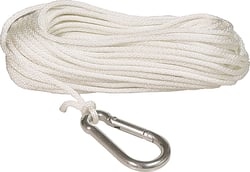
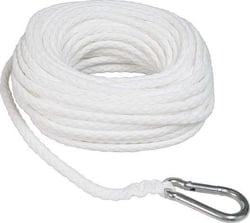
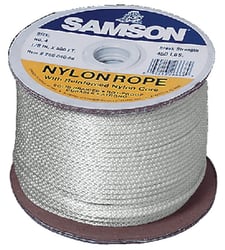
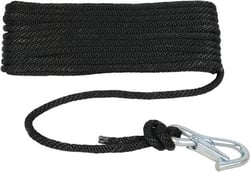

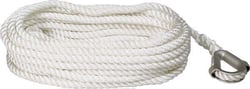
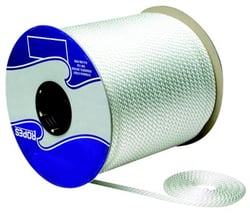
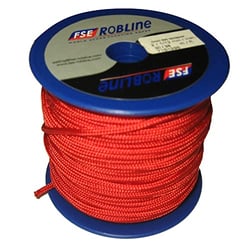

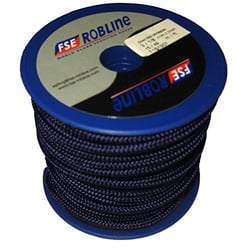
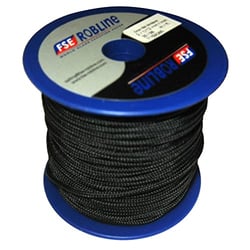
 Representative Photo, actual item may vary

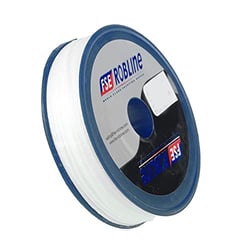
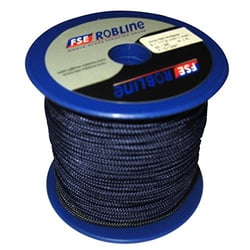
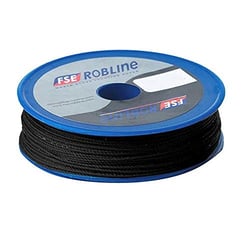
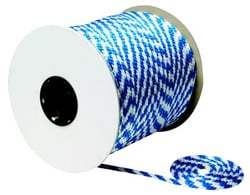

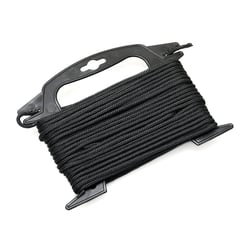
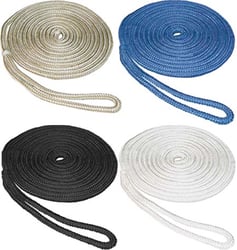
YakGear 01-0054 Diamond Braid Polypropylene Rope 3/16" x 75 ft Black with Winder

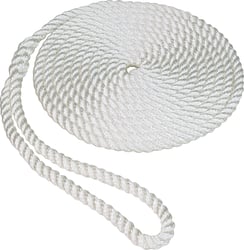
SeaSense 50013240 Solid Braided MFP Anchor Line with Spring Hook 5/16" x 30ft Blue
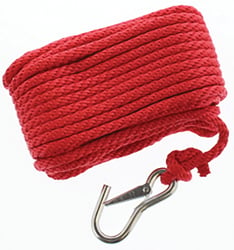
SeaSense 50013057 3/8" x 50' Solid Braided MFP Anchor Rope Red with Spliced Hook
 Representative Photo, actual item may vary

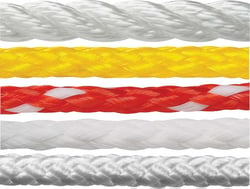
Unicord 500239 YELLOW 1/4" x 1000' Hollow Braid Polypropylene Rope 8-Strand Yellow
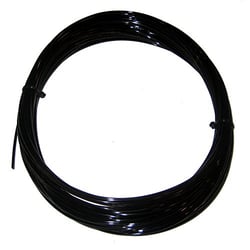

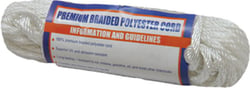
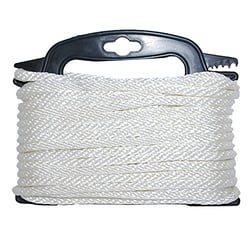
 Representative Photo, actual item may vary

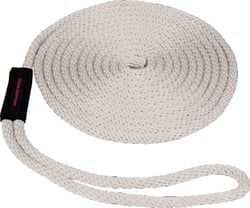
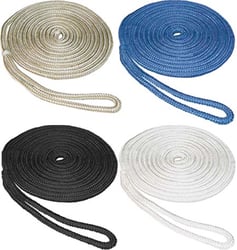
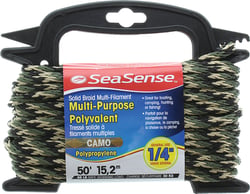
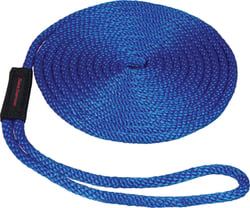
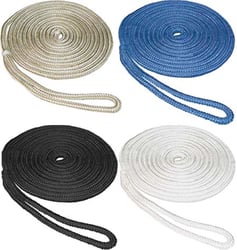

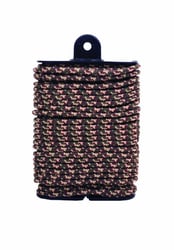
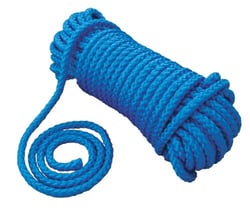
SeaSense 50012896 Multi-Purpose Braid Over Core Rope 3/8" x 25' 6-Pack Assorted Colors
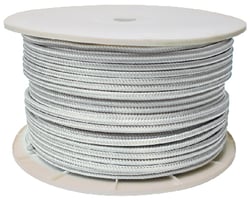
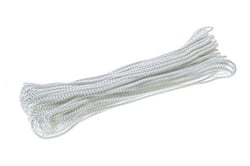
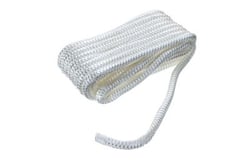
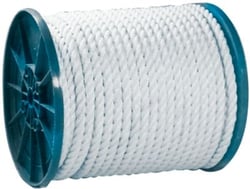
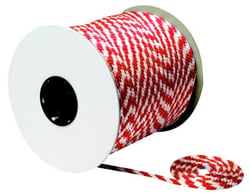
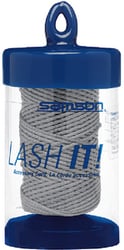
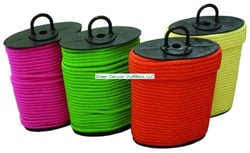

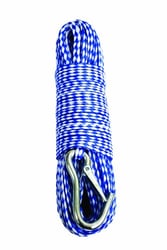
 Representative Photo, actual item may vary
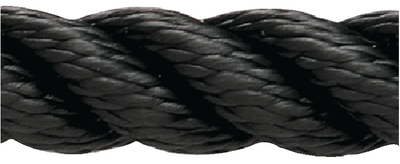
New England Ropes C7230-16-00600 Spun Polyester 1/2 Inch x 600 Feet 3-Strand Rope

 Representative Photo, actual item may vary
New England Ropes C7230-10-00600 Spun Polyester 5/16" x 600' 3-Strand Twisted Rope
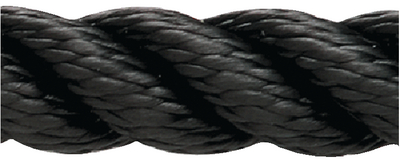 Representative Photo, actual item may vary
New England Ropes C7050-16-00600 Premium Nylon 3-Strand Twisted Rope 1/2 Inch x 600 Feet White
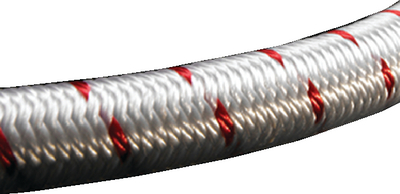 Representative Photo, actual item may vary
New England Ropes C2111-06-00600 Sta-Set 3/16" x 600' Red Fleck Polyester Rope
- 1
- 2
Why Marine Rope & Cordage Matters
At sea, on a lake, or tied up at your slip, the rope connecting your boat to the world beneath it is one of the most critical pieces of equipment aboard. Marine rope and cordage serves as the backbone of anchoring and docking systems — keeping your vessel secure against tides, wakes, wind, and surges that would otherwise send it adrift. Choosing the wrong line isn't just an inconvenience; it can mean a damaged hull, a lost boat, or a dangerous situation on the water.
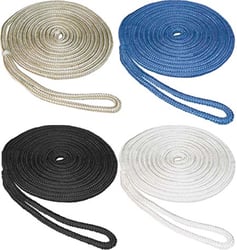
Marine cordage falls under several key applications, each with its own performance requirements. Anchor lines connect your anchor to the boat and must handle rough conditions with great flexibility and strength. Dock lines are designed to handle the constant stress of docking and undocking, absorbing shock loads from passing wakes and harbor surges. Mooring ropes keep your boat tied to a dock, buoy, or another vessel, built to handle movement from waves, wind, and tides.
Choosing the Right Rope Material
Modern marine cordage has largely moved away from natural fibers in favor of synthetic materials engineered for the marine environment. Today's ropes are commonly manufactured from nylon, polyester, and polypropylene — each selected for their strength, flexibility, and resistance to UV exposure and saltwater.
- Nylon is highly elastic and strong, making it ideal for shock-absorbing tasks like docking or anchoring. Its elasticity helps smooth out the surge effects of wakes, waves, wind, or heavy seas.
- Polyester offers low stretch and high UV resistance, making it great for halyards, sheets, and general running rigging where you need precise control under load.
- Polypropylene is a lightweight, economical choice that floats, making it ideal for safety lines or any application where you need the rope to stay visible on the water's surface.
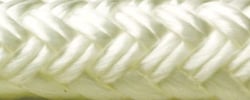
Construction matters just as much as material. Three-strand twisted rope is traditional, economical, and easy to splice — a longtime favorite for anchor and dock lines. Double braid rope, with a braided core inside a braided cover, offers high strength and flexibility and is the most popular construction for dock lines and general marine use.
Key Brands in Marine Rope & Cordage
Our rope and cordage selection brings together trusted names in the marine industry. SeaSense has been providing quality marine products since 1984, offering a broad range of anchor lines, dock lines, and multi-purpose cordage built for the demands of the marine environment. Their lineup covers everything from solid braid nylon anchor lines to twisted nylon dock lines suited to the harshest conditions afloat.
For boaters who demand performance-grade cordage, Samson is one of the most respected names in the industry. With over 140 years of engineering excellence, Samson continues to set the standard for innovation and quality in synthetic rope. Their marine lineup spans dock lines, anchor rope, mooring lines, and high-performance sailing lines — engineered to withstand saltwater, UV exposure, and constant abrasion.
All Line rounds out our selection with a practical range of cordage options suited to everyday anchoring and docking needs, offering boaters reliable choices across multiple rope types and sizes.
Shopping Tips for Marine Rope & Cordage
When selecting marine cordage, match the rope to the job. Consider the rope's breaking strength (a general rule is at least five times the maximum expected load), diameter for ease of handling, and construction for the specific application. Inspect dock lines regularly for chafe, stiffness, discoloration, and broken fibers — in a typical marina environment, nylon dock lines may need replacement every few years depending on exposure. Rinse ropes with fresh water after saltwater use, and store cordage in a cool, dry location out of direct sunlight to extend service life.