



Oil Coolers
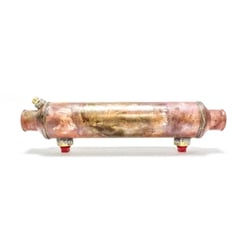

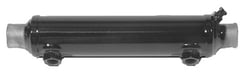
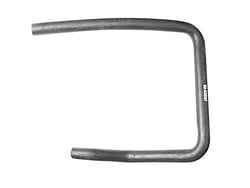
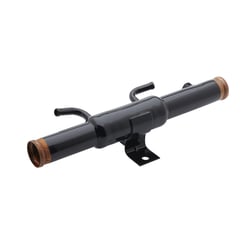
Quicksilver 63832A1 Transmission & Power Steering Oil Cooler MerCruiser Marine

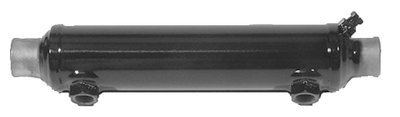 Representative Photo, actual item may vary
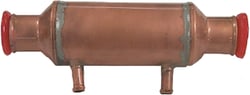
What Is an Engine Oil Cooler and Why Does It Matter?
An engine oil cooler is a heat-exchange component that reduces the temperature of engine oil before it circulates back through critical engine components. Motor oil doesn't just lubricate — it also carries heat away from pistons, bearings, camshafts, and other high-friction parts. When oil gets too hot, it breaks down, loses its viscosity, and stops protecting your engine effectively. An oil cooler intercepts that overheated oil and brings its temperature down to a safe operating range, extending both oil life and engine life.
Oil coolers are especially important in demanding applications: diesel trucks under heavy load, vehicles used for towing or hauling, high-performance builds, turbocharged engines, and any vehicle that regularly sees extreme heat cycles. Even in everyday driving, an oil cooler can be the difference between an engine that lasts 200,000 miles and one that shows premature wear well before that milestone.
Types of Oil Coolers
Oil coolers generally fall into two categories: air-cooled and water-cooled (coolant-based). Air-cooled units are mounted in the airstream — typically near the front of the vehicle — and use ambient airflow to dissipate heat, much like a small radiator. Water-cooled units integrate with the engine's coolant system and use circulating coolant to draw heat out of the oil. Each design has its strengths depending on the application, vehicle layout, and the degree of cooling needed.
For high-output diesel and performance applications, heavy-duty replacement oil coolers are often an upgrade over the factory unit. OEM oil coolers are sometimes undersized for modified engines or severe-duty use, and an upgraded unit with larger internal passageways or additional rows can dramatically reduce operating temperatures.
What to Look for When Shopping Oil Coolers
- Fitment: Always verify compatibility with your specific year, make, model, and engine. Many oil coolers are application-specific, especially factory-replacement units.
- Construction: Look for brazed aluminum or copper-tube-and-fin designs for durability and efficient heat transfer.
- Capacity: Match the cooler's rated capacity to your vehicle's GVW, towing rating, or power output for adequate protection.
- Installation: Some units are direct bolt-on replacements; others require universal mounting and fitting adaptation. Know what you're getting into before you buy.
- Seals and Gaskets: Many heavy-duty replacement kits include updated gaskets and O-rings — a worthwhile upgrade if you're already doing the job.
Top Oil Cooler Brands
Pacific Performance Engineering (PPE) is a go-to name for diesel truck owners who need more than what the factory provides. PPE is recognized as a leader in the diesel performance industry, with engineers who originally began by innovating and creating performance products specifically to enhance and improve the Duramax diesel platform. Their heavy-duty replacement oil coolers are engineered for Ford Powerstroke, GM Duramax, and Dodge Cummins applications, featuring larger and stronger internal passageways for improved oil and coolant flow, plus an additional row of oil passageways for greater heat dissipation.
Hayden Automotive has been a trusted name in cooling for decades. For more than 45 years, Hayden Automotive has been a leader in automotive, truck, and performance cooling parts. Hayden heavy-duty oil coolers are designed for rugged, heavy-duty use and can be used for many different cooling applications, including transmission, engine, gear box, hydraulic oils, and diesel fuel. Their coolers feature brazed copper tubes with aluminum fin construction and inner-swirl turbulators in every tube for maximum cooling and efficiency.