



Oil Lines
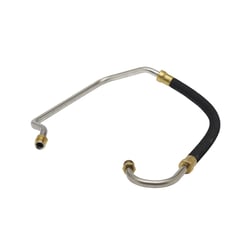

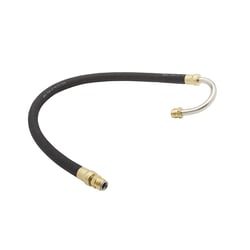
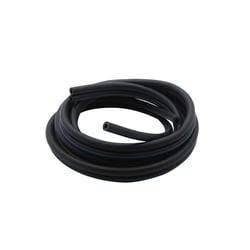
What Are Engine Oil Lines and Why Do They Matter?
Oil lines are the critical arteries of your engine's lubrication and cooling system. These hoses, tubes, and line assemblies carry engine oil to where it's needed most — from the oil pan to the engine bearings, from the filter to the oil cooler, and through the feed and return circuits of a turbocharger. Without properly functioning oil lines, pressurized oil cannot reach vital engine components, leading to accelerated wear, overheating, and potentially catastrophic engine failure.
Unlike coolant or fuel hoses, oil lines must contend with a uniquely demanding combination of conditions: high operating temperatures, pressurized oil flow, constant vibration, and resistance to degradation from petroleum-based fluids. This is why material selection matters enormously — whether a line is made from reinforced rubber, braided stainless steel, aluminum, or high-temperature PTFE can determine how long it lasts and how safely it performs.
Types of Oil Lines
- Engine Oil Cooler Lines – Connect the oil cooler to the engine's oil circuit, carrying hot oil to the cooler and returning it at optimal temperature to prevent overheating.
- Turbocharger Oil Feed & Return Lines – Supply pressurized oil to lubricate and cool a turbocharger's bearing, then drain it back to the sump. These lines must tolerate extreme temperatures near the exhaust system.
- Transmission Oil Cooler Hoses – Route transmission fluid between the transmission and its cooler, protecting against heat-induced fluid breakdown and component wear.
- Power Steering Oil Lines – Carry hydraulic fluid through the power steering circuit, including pressure and return lines between the pump, steering gear, and reservoir.
What to Look for When Shopping Oil Lines
Always verify fitment by year, make, and model — oil line routing is highly vehicle-specific, and even minor dimensional differences can cause improper sealing. For OE replacement, look for parts that match the original hose diameter, end fittings, and routing geometry. For turbocharged or high-performance applications, consider upgrading to braided stainless or PTFE-lined lines, which offer superior heat and pressure resistance. Pay attention to temperature ratings and whether a hose meets or exceeds relevant SAE standards for your application.
Top Brands in Oil Lines
Gates is one of the most recognized names in automotive fluid power, offering a broad range of engine oil hoses including turbocharger oil feed and return lines engineered for OE-exact fit. Gates turbo oil lines are developed to handle extreme temperatures found in turbocharger systems while routing cleanly through tight engine compartments.
Edelmann (part of Plews & Edelmann) brings decades of fluid line expertise to the oil lines category, including turbocharger oil lines and a full suite of power steering hoses and assemblies. Edelmann's commitment to OE form, fit, and function means their lines are built to duplicate the exact routing and specifications of the original equipment.
Genuine parts are OEM-sourced components built to the precise factory specifications of your vehicle's manufacturer — the ideal choice when you want a true like-for-like replacement with zero compromise on fitment or material quality.
Cohline is a Germany-based manufacturer with roots going back to 1932, supplying pipe and hose line systems to major automotive brands including Audi, BMW, Mercedes-Benz, and Porsche. Their oil lines are engineered with material combinations including steel, stainless steel, aluminum, and elastomers designed to meet precise OEM tolerances.
Goodridge is well regarded in performance and motorsport circles for high-quality braided stainless steel line assemblies. Their oil lines are a popular choice for enthusiasts seeking greater durability and heat resistance beyond what standard rubber hoses provide.