



Barbeques


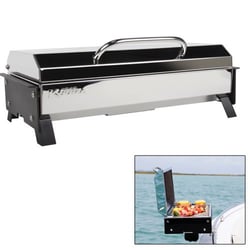
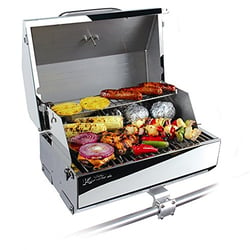
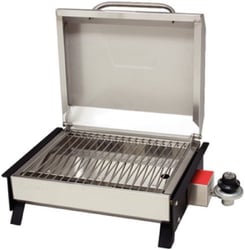
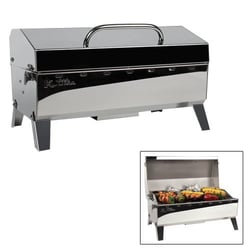
Kuuma Products 58131 Stow N Go 160 Portable Gas Grill with Thermometer and Igniter
Grilling on the Water and the Open Road
There's something uniquely satisfying about cooking a fresh meal outdoors — whether you're anchored in a quiet cove after a day of fishing or parked at a scenic campsite in your RV. Marine and RV barbeques are purpose-built to make that experience possible, combining the performance of a serious grill with the durability and safety features demanded by life away from the backyard. These aren't ordinary grills repurposed for the outdoors — they're engineered from the ground up to handle salt spray, wind, motion, and the space constraints that come with boats and motorhomes.
Why Marine and RV Grills Are Different
A standard backyard grill may look similar, but it lacks the critical features that make cooking on a boat or RV safe and reliable. Corrosion resistance is paramount: marine barbeques are typically constructed from high-grade stainless steel specifically chosen to withstand constant exposure to salt air and humidity. Inexpensive metals and standard stainless alloys corrode rapidly in these environments, making material quality one of the most important considerations when shopping this category.
Wind resistance is the other major challenge. Open-water cooking means dealing with gusts that can extinguish standard burners in seconds. Many marine grills address this with domed or rounded kettle-style lids that shelter the grate from gusts and promote even, convective heat. Others use infrared burner technology, which relies on radiant heat rather than an open flame — making these grills highly resistant to even stiff breezes on the water.
Fuel Types: Choosing What's Right for Your Setup
The majority of marine and RV barbeques run on propane, and for good reason — propane is easy to store, heats up quickly, and offers straightforward temperature control. Small, disposable 1-lb propane canisters are the most common and safest fuel choice for boat use, and many grills can also adapt to an RV's or vessel's onboard low-pressure LPG system. For boaters who prefer shore power or marina hookups, electric grills offer a smokeless, flame-free alternative with precise temperature control. Charcoal options also exist for those who prefer traditional flavor, though they require more preparation and care when managing ash safely aboard a moving vessel.
Mounting Systems: Stability and Safety First
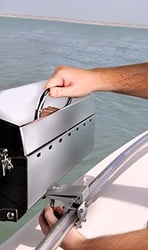
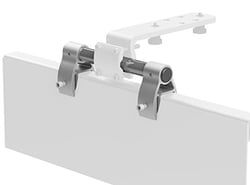
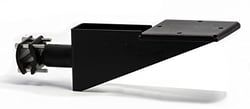
A grill that isn't properly secured on a boat is a serious safety hazard. Most marine barbeques are designed to work with dedicated mounting systems that keep the grill fixed and level even when the vessel is rocking. Common mounting options include:
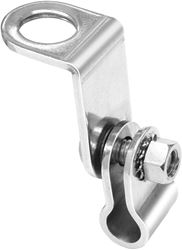
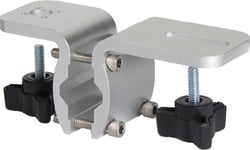
- Rail mounts – Clamp onto stern rails or lifelines; the most popular choice for sailboats and powerboats.
- Rod holder mounts – Slot into existing fishing rod holder sockets for tool-free installation and quick removal.
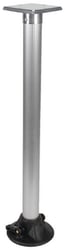
- Pedestal and transom mounts – Provide a fixed, semi-permanent platform, ideal for larger vessels or dedicated cockpit cooking areas.
- RV side-mount brackets – Secure directly to the exterior of a motorhome or trailer, turning any campsite into an outdoor kitchen.
In most cases, mounting hardware is sold separately from the grill itself, so it's important to verify compatibility between your chosen grill model and your vessel's rail diameter or deck layout before purchasing.
Size, Cooking Surface, and Key Features to Consider
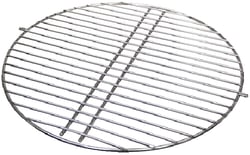
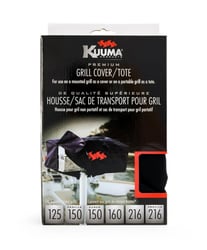
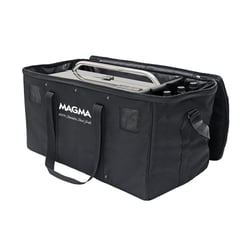
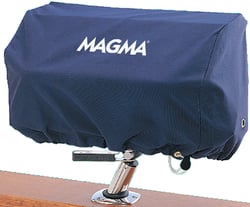
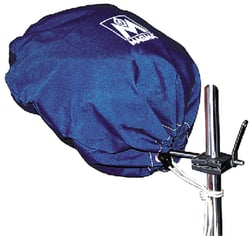
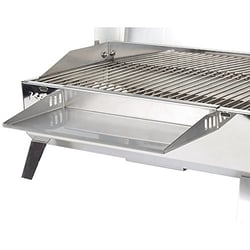
Grill size should reflect how many people you typically cook for and how much deck or storage space you have available. Compact models with smaller cooking surfaces are ideal for day boaters or couples, while rectangular grills with larger grate areas suit families or extended cruising crews. Beyond size, look for practical features like built-in hood thermometers for accurate temperature monitoring, electronic ignition for reliable starts, locking lids for safe transport, and removable grease trays that make cleanup easy after a long day on the water. A protective canvas cover is also a worthwhile accessory — it shields the grill's finish from salt spray and sun exposure when not in use.
Safety on the Water
Grilling aboard a boat requires extra care. Always grill in open, well-ventilated areas and never use a grill in an enclosed cabin or belowdecks space. When using propane, store cylinders in a vented locker, use approved hoses and fittings, check for leaks before each use, and keep a fire extinguisher aboard. Most manufacturers and the American Boat and Yacht Council (ABYC) recommend only grilling while anchored or at the dock — cooking while underway introduces significant risks from wind-blown flames and the motion of the vessel.