



Distributor Caps/Tune Up Kits

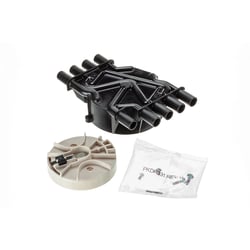
Quicksilver 8M0061335 Distributor Cap and Rotor Kit for MerCruiser V8 MPI Engines

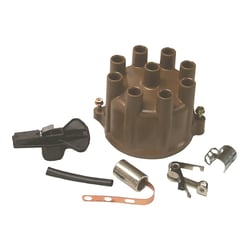
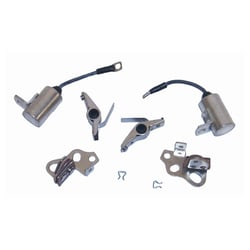
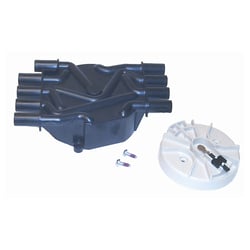
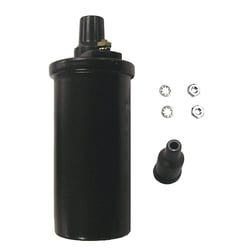
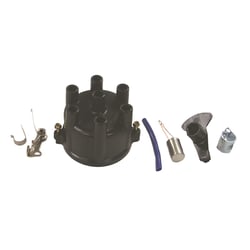
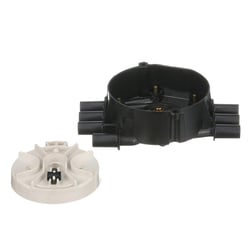
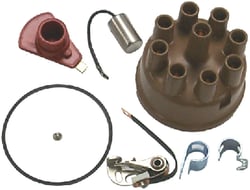
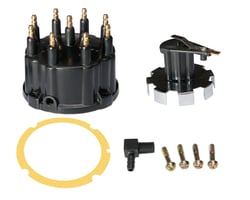
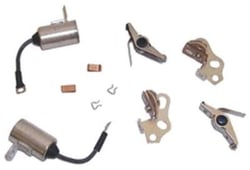
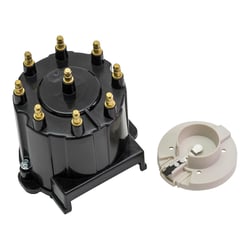
Quicksilver 808483Q 2 Distributor Cap Kit for GM V8 Marine Engines with Delco HEI Ignition
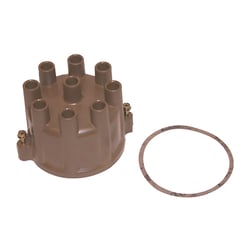
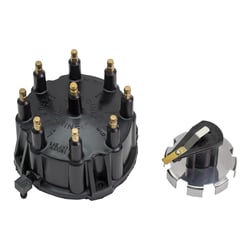
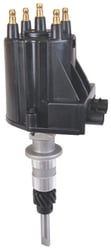
Quicksilver 805759Q3 Distributor Cap Kit for MerCruiser V8 Thunderbolt IV/V HEI Ignition
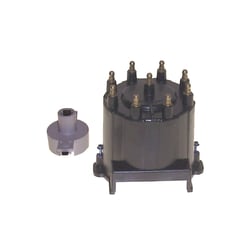
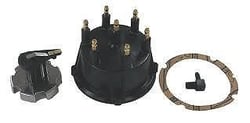
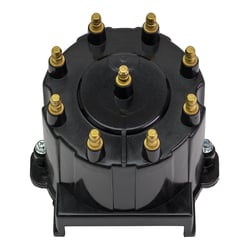
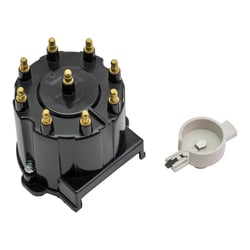
Quicksilver 808483Q1 Distributor Cap Kit for GM V8 Marine Engines with Delco HEI
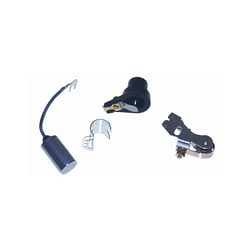
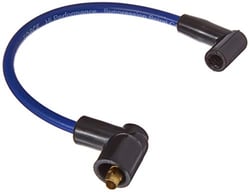
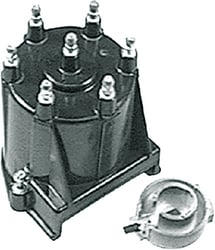
Quicksilver 850484T 3 Distributor Cap and Rotor Kit for Marinized GM V-6 Delco HEI Engines
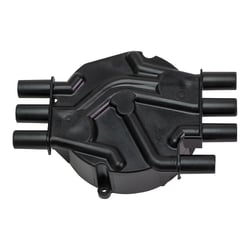
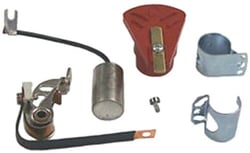
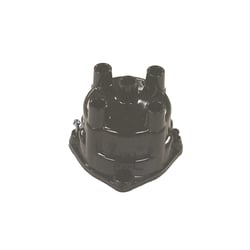
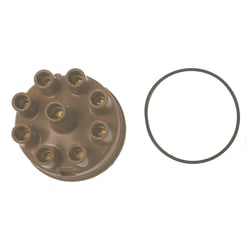
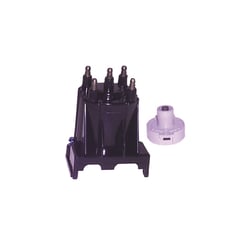
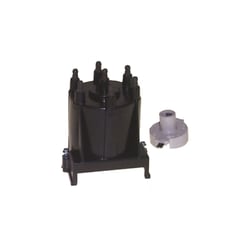
 Representative Photo, actual item may vary
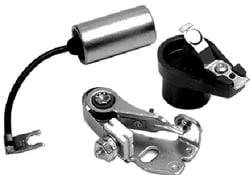
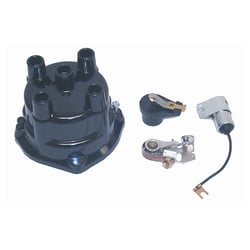
Quicksilver 34235Q 1 Ignition Tune Up Kit for GM 4 & 6 Cylinder Marine Engines
- 1
- 2
Distributor Caps & Tune Up Kits for RV and Marine Engines
Whether you're cruising open water or heading down the highway in your RV, reliable engine ignition is the foundation of a smooth, safe trip. Distributor caps and tune up kits are among the most essential — and most frequently overlooked — components in keeping a gasoline engine firing correctly. For marine and RV applications, where engines often sit idle for extended periods and face harsher operating environments than everyday passenger vehicles, routine ignition maintenance is especially critical.
What Is a Distributor Cap and What Does It Do?
The distributor cap sits at the top of the distributor and serves as the central hub of a traditional ignition system. It routes high-voltage electrical pulses from the ignition coil to each spark plug in the correct firing sequence. Inside the cap, a rotating rotor spins in sync with the engine's crankshaft, making brief contact with terminals that correspond to each cylinder. When a distributor cap cracks, corrodes, or wears out, the result is misfires, hard starts, rough idling, and reduced fuel efficiency — symptoms that can quickly ruin a boating outing or a cross-country RV adventure.
Marine and RV engines are particularly vulnerable to distributor cap deterioration. Moisture, salt air, vibration, and long storage periods accelerate the buildup of carbon tracking, corrosion on the internal terminals, and micro-cracks in the plastic housing. Replacing a worn cap is a straightforward job that can prevent far more serious — and costly — ignition failures down the road.
What's Included in a Tune Up Kit?
A tune up kit bundles the most commonly replaced ignition and maintenance components into a single, convenient package. While exact contents vary by engine application, a typical marine or RV tune up kit may include:
- Distributor cap — the outer housing that directs spark to each cylinder
- Rotor — the spinning contact arm inside the distributor cap
- Spark plugs — the electrodes that ignite the air-fuel mixture in each cylinder
- Ignition points and condenser (for older point-style systems)
- Spark plug wires — high-tension leads that carry voltage from cap to plug
- Fuel filter — to ensure clean fuel delivery alongside the ignition refresh
Purchasing a complete tune up kit rather than individual components ensures all wear items are replaced at the same time, eliminating the guesswork of mixing old and new parts. It also simplifies the maintenance process for DIY boaters and RV owners who prefer to service their own equipment.
When Should You Replace Your Distributor Cap or Perform a Tune Up?
Most engine manufacturers recommend inspecting distributor caps and ignition components at least once per season, or any time you notice symptoms like rough idling, difficulty starting, engine surging, or a noticeable drop in fuel economy. Because marine engines often go months between uses, it's wise to inspect the cap and rotor at the beginning of every boating season — even if the components look visually intact, invisible carbon tracking and internal corrosion can cause intermittent misfires that are difficult to diagnose on the water.
For RV engines that rack up highway miles between service intervals, following the manufacturer's recommended tune-up schedule — typically every 30,000 to 60,000 miles for older distributor-equipped engines — keeps ignition timing accurate and power delivery consistent.
Choosing the Right Parts for Your Application
Distributor caps and tune up kits are highly application-specific. Always confirm compatibility by matching your engine's make, model, year, and horsepower rating before purchasing. Marine-rated caps and rotors are often built to tighter moisture-resistance standards than their automotive counterparts, so using purpose-built marine ignition components in a boat engine is strongly recommended.