



Engine Cooling Pumps & Accessories

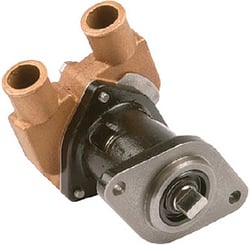
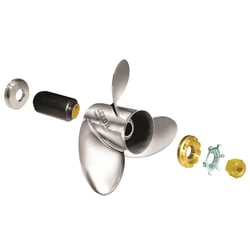
Solas 9553-143-17 Rubex HR4 Stainless Steel 4-Blade Propeller 14.25 x 17 RH

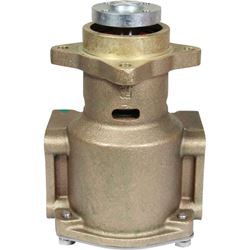
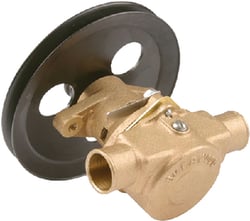
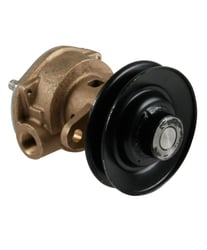
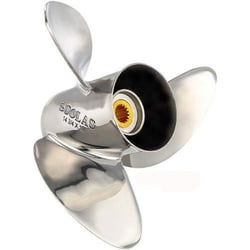
Solas 1441-133-17 Titan Stainless Steel Propeller 13-1/4" x 17" Pitch 3-Blade RH
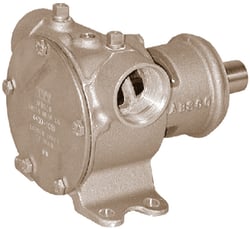

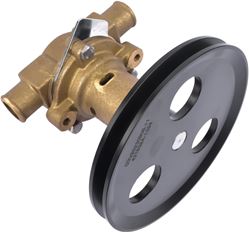
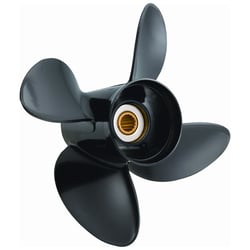
Solas 9553-145-15 Rubex HR4 Stainless Steel 4-Blade Propeller RH 14.5 x 15
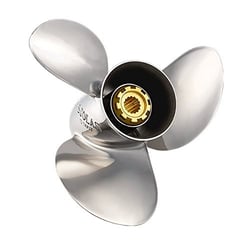
Solas 9551-148-17 Rubex HR3 Stainless Steel 3-Blade Propeller 14.75 x 17 RH
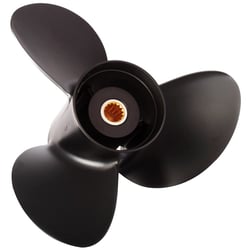
Solas 2511-145-19 Amita 3 Aluminum Propeller 14.5 x 19 for Johnson/Evinrude
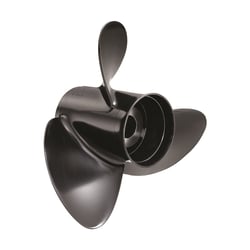
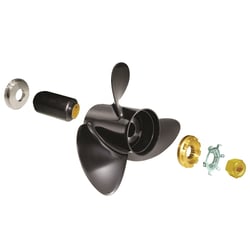
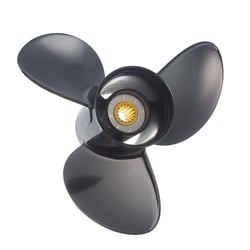
Solas 3511-150-15 Amita 3 Aluminum Propeller 15" x 15" RH 3-Blade for Yamaha
Solas 9531-140-23 Rubex Stainless Steel Propeller 14 Diameter 23 Pitch 4-Blade
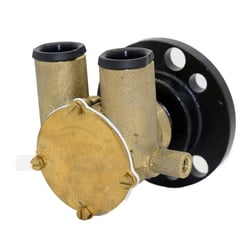
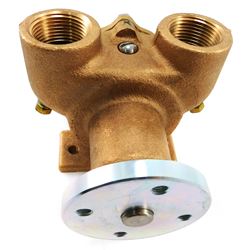
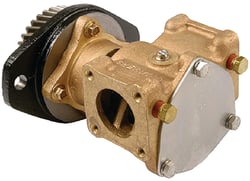
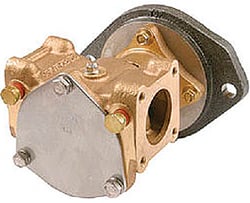
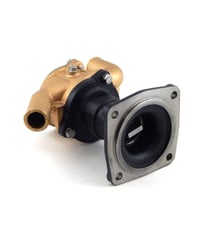
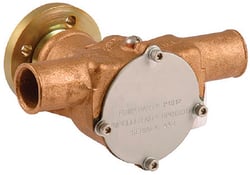
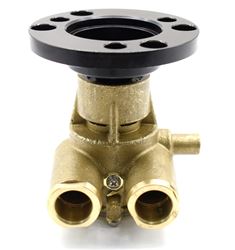
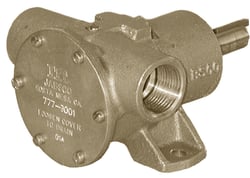
Johnson Pumps 10-24228-1 Engine Cooling Crankshaft Pump for Small Block GM Marine Engines

Why Engine Cooling Pumps Matter for Marine & RV Engines
Every marine and RV engine generates enormous amounts of heat under load, and without a reliable cooling system, that heat can destroy an engine in minutes. Engine cooling pumps are the mechanical heart of that system — they circulate water through the engine block and associated components, continuously drawing heat away and keeping operating temperatures within a safe range. Unlike automobiles that rely on airflow across a radiator, marine engines operate in a uniquely demanding environment where specialized pumps and cooling hardware are essential for reliability and safety.
Raw Water vs. Closed-Loop Cooling Systems
Understanding the two fundamental cooling approaches helps you choose the right components for your vessel or RV. In a raw water (open-loop) system, water is drawn directly from the surrounding body of water — whether fresh or salt — through a seacock fitting and pumped through the engine's water jacket and ports before exiting through the exhaust. This simpler design is common on outboard engines and older inboards, but it exposes internal passages to corrosive saltwater, debris, and mineral deposits.
Most modern marine engines use an enclosed (closed-loop) system, which circulates a mixture of fresh water and antifreeze through the engine block. A heat exchanger then transfers that heat to raw water pumped in from outside, protecting the engine internals from corrosion while still leveraging the cooling capacity of the surrounding water. In closed systems, the raw water only flows through the heat exchanger — significantly extending engine life, especially in saltwater environments.
Key Components in the Cooling Pump System
A complete marine engine cooling system involves several interconnected components, all of which require regular inspection and periodic replacement:
- Raw Water Pumps: Typically belt-driven, these pumps use a flexible rubber impeller to draw water from outside the hull and push it through the cooling circuit. The impeller's flexible vanes create their own suction, making these pumps self-priming and capable of handling small debris and particles in suspension.
- Impellers: The rotating rubber core inside the raw water pump, the impeller is a critical wear item. Its flexible vanes depend on water for lubrication, meaning a dry-run lasting more than a few seconds can cause irreversible damage. Most manufacturers recommend annual replacement as a standard maintenance practice.
- Freshwater Circulating Pumps: In closed-loop systems, a centrifugal pump continuously circulates the antifreeze/coolant mixture through the engine block and heat exchanger. These pumps should be inspected for belt condition and seal integrity at every service interval.
- Heat Exchangers: The interface between the raw water circuit and the freshwater loop, heat exchangers transfer heat through conduction without ever mixing the two fluids. Tube stacks should be cleaned annually to prevent debris and scale buildup from restricting flow.
- Thermostats: Marine thermostats regulate engine operating temperature by controlling coolant flow, typically maintaining temperatures around 160–185°F depending on the engine. A stuck or failed thermostat can cause chronic overheating or prevent the engine from reaching proper operating temperature.
- Sea Strainers, Hoses & Clamps: Supporting components like sea strainers filter debris from incoming raw water, while marine-grade hoses and stainless steel clamps keep the system sealed and leak-free. Hoses below the waterline should be double-clamped for added safety.
Shopping Considerations for Cooling Pumps & Accessories
When selecting cooling pump components, material choice is especially important in saltwater applications. Pump housings and fittings made from bronze, stainless steel, or high-grade composites resist the corrosive effects of salt and mineral-laden water far better than standard metals. Always match the pump's flow capacity (measured in GPM) to your engine's horsepower rating and consult your engine manufacturer's specifications to ensure adequate cooling margin. For RV applications, where ambient air temperatures and engine bay conditions differ significantly from marine environments, verify that any pump or accessory is rated for your specific chassis engine.
Regular, proactive maintenance — not reactive repair — is the philosophy that keeps cooling systems reliable. Replacing impellers on schedule, keeping sea strainers clean, and monitoring for any change in exhaust water flow after startup are simple habits that can prevent catastrophic engine failure far from shore.