



Manual Water System Pumps
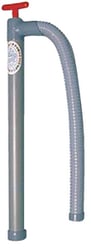

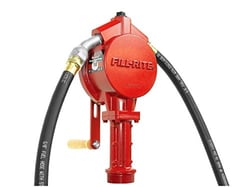
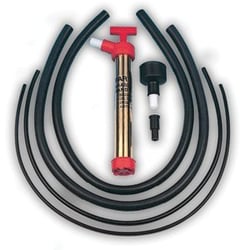
Fill-Rite FR112 Rotary Hand Pump 10 GPM with 8' Hose and Telescoping Suction Pipe

 Representative Photo, actual item may vary

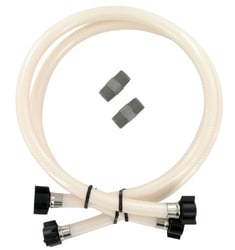

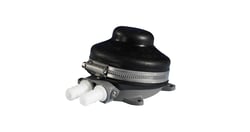



Why Manual Water System Pumps Matter Aboard Every Vessel
Whether you're managing freshwater delivery in your RV galley, bailing a flooded bilge, or transferring fluids in a tight engine compartment, manual water system pumps are one of the most fundamental pieces of equipment on any boat or recreational vehicle. Unlike electric pumps, manual pumps require no battery power, no wiring, and no switches — they work when you need them most, including during emergencies when electrical systems may already be compromised.
As one safety principle worth remembering: if water reaches your electrical components, your automatic bilge pump will shut off. A dependable manual pump is often the only thing standing between a wet situation and a dangerous one. For that reason, many boating safety guidelines strongly recommend having a manual bilge pump onboard as essential backup equipment, regardless of the vessel's electric pump capacity.
Types of Manual Water System Pumps
Understanding the differences between pump styles helps you choose the right tool for your application:
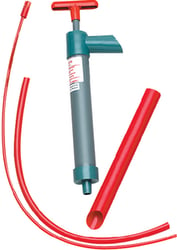
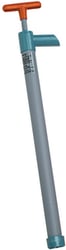
- Plunger / Cylinder Hand Pumps: Compact, portable, and ideal for small-volume transfers — bailing a dinghy, pumping bilge water, or extracting oil through a dipstick tube. These are the classic handheld design, often used for both routine maintenance and emergency dewatering.
- Diaphragm Pumps: Use a piston-and-check-valve mechanism that pulls water in on the upstroke and expels it on the downstroke. Self-priming by design, diaphragm pumps are common in permanently mounted bilge applications and can move higher volumes per stroke than simple cylinder pumps.
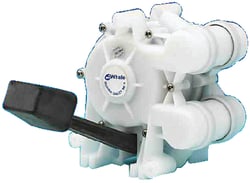
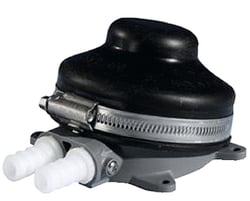
- Foot-Operated Pumps: A hands-free solution popular in cruising sailboat galleys and heads, allowing water delivery while keeping both hands free for cooking or other tasks. Power conservation makes these a smart choice on offshore passages.
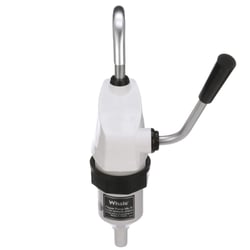
- Galley / Faucet-Style Hand Pumps: Lever-action pumps mounted directly at the sink, providing simple and reliable fresh water dispensing without drawing from the house battery bank.
What to Consider When Shopping
Pump capacity (gallons per stroke or GPM), hose diameter, body length, and material construction are the primary factors to evaluate. Larger vessels with deeper bilges need longer pump bodies and higher stroke volumes. For fluid transfer tasks involving fuels or oils, always verify the pump is rated for the specific fluid being moved. All-plastic, non-corrosive construction is essential in marine environments where metal components can quickly degrade.
Top Brands in Manual Water System Pumps
Beckson Marine is the top-selling brand in this category and one of the most recognized names in marine hand pumps. Their Thirsty-Mate® and Handy-Mate® series are manufactured in the USA from all-plastic, non-corrosive materials that are self-priming, self-lubricating, and easy to clean — equally at home pumping bilge water, transferring tank-to-tank, or extracting crankcase oil through a dipstick tube on an RV or boat engine.
Jabsco, a brand of Xylem, has been a trusted name in marine pumping systems for over 60 years. Their Par-Max series and manual demand pump designs are engineered for durability and reliable performance in demanding onboard conditions, making them a go-to choice for freshwater delivery and pressurized water systems on cruising boats and RVs alike.
National Spencer brings industrial-grade pump engineering to the marine and RV market. Their manual pump solutions are known for robust construction and high-capacity fluid transfer performance, making them a solid choice where durability and dependable output are the priority.
Flojet / ITT is well known across the marine and RV industries for diaphragm pump technology. Their manual pump offerings benefit from the same engineering pedigree as their widely used 12V pressure pump line, offering compact, reliable water movement without electrical dependency.
Camco is a staple brand for RV owners, offering practical, affordable manual pump solutions designed for freshwater system maintenance, winterization, and fluid transfer tasks common in RV ownership.