



Bilge Blower
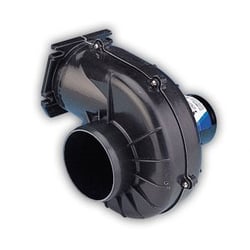

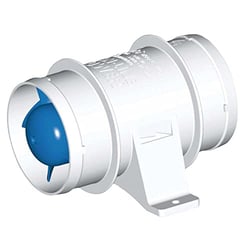

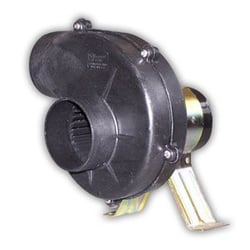
What Is a Bilge Blower?
A bilge blower is a motorized ventilation fan designed to remove flammable fuel vapors, exhaust gases, and stale air from a boat's bilge — the lowest compartment of the hull, located beneath the engine and fuel systems. Because gasoline vapors are heavier than air, they naturally sink and accumulate in this enclosed space. Without proper ventilation, these vapors can reach explosive concentrations, creating a serious fire and explosion hazard. A bilge blower actively purges these dangerous gases before you ever turn the ignition key.
Why Bilge Blowers Matter for Boat Safety
The U.S. Coast Guard (USCG) requires that gasoline-powered vessels built after 1940 with enclosed engine spaces be equipped with a ventilation system. Running a bilge blower for a minimum of four minutes before starting the engine is a widely recommended best practice — and in many cases, a legal requirement. This simple step can be the difference between a safe day on the water and a catastrophic onboard fire or explosion.
Beyond safety compliance, bilge blowers also help manage moisture and condensation that naturally build up in the hull. Excess moisture can accelerate corrosion of metal components, promote mold and mildew growth, and degrade wiring and other sensitive equipment over time. Regular ventilation keeps the bilge drier and extends the life of your boat's mechanical systems.
How Bilge Blowers Work
Bilge blowers are typically installed in a ducting system that draws air from outside the vessel, circulates it through the bilge, and exhausts contaminated air overboard. Most units are rated by their airflow capacity, measured in cubic feet per minute (CFM). Choosing the right CFM rating for your boat depends on the size of your bilge compartment and the number of engines or fuel tanks present. Larger compartments and twin-engine setups generally require higher-output blowers or multiple units.
Bilge blowers are designed to be ignition protected — a critical safety specification that means all electrical components within the motor are sealed or shielded to prevent sparks from igniting surrounding vapors. Always verify that any blower you purchase carries an ignition-protection rating before installing it in an enclosed engine space.
What to Look for When Shopping for a Bilge Blower
- CFM Rating: Match the blower's airflow capacity to the cubic footage of your bilge space for effective ventilation.
- Ignition Protection: Ensure the unit is rated ignition-protected per USCG and ABYC standards — this is non-negotiable for safety.
- Duct Diameter: Most blowers are designed for 3-inch or 4-inch flexible ducting. Confirm compatibility with your existing installation.
- Voltage: Most marine blowers run on 12V DC systems, but verify the voltage matches your vessel's electrical setup.
- Corrosion Resistance: Marine environments are harsh. Look for housings made from UV-resistant, corrosion-proof materials such as ABS plastic or fiberglass-reinforced polymers.
- Noise Level: Higher-quality blowers operate more quietly, an important consideration for comfort on smaller vessels.
Installation and Maintenance Tips
Bilge blowers are generally straightforward to install, but proper duct routing is essential. Intake ducts should draw fresh air from a low point near the engine, while exhaust ducts should vent to the outside of the hull above the waterline. Regularly inspect ducts and hose connections for cracks, clogs, or loose fittings, and test the blower's operation at the start of each boating season to ensure it is functioning correctly before heading out on the water.