



NGK Spark Plugs
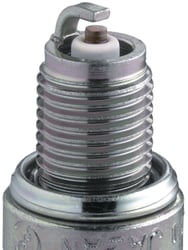
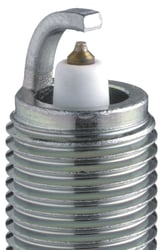
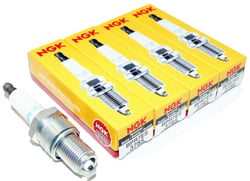
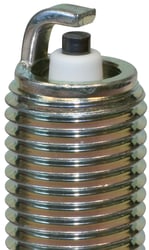
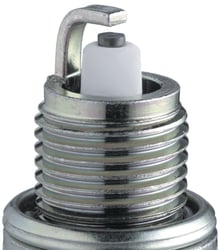
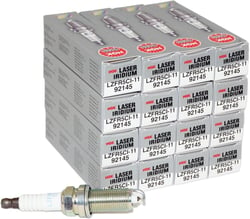
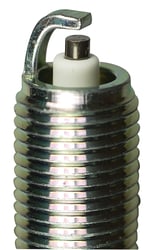
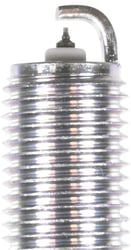
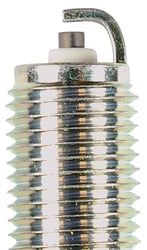
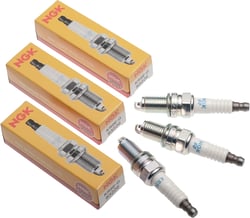
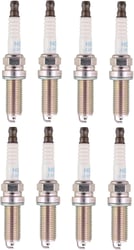
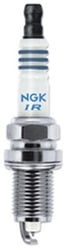
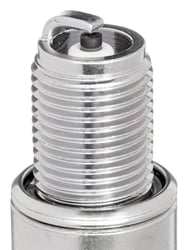
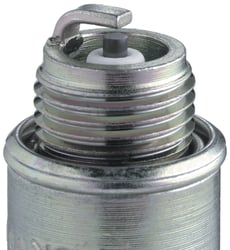
 Representative Photo, actual item may vary
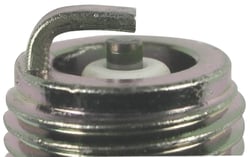
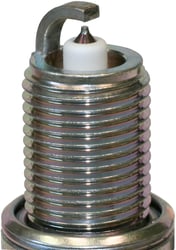
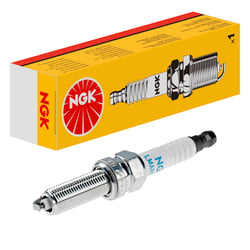
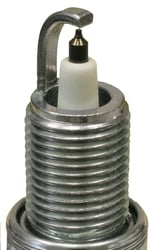
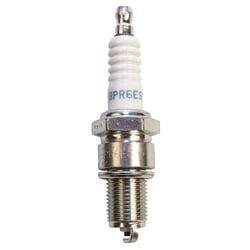
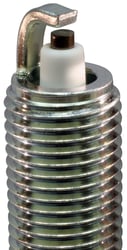
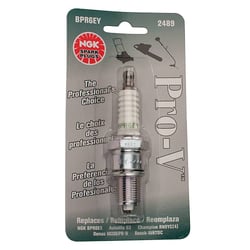
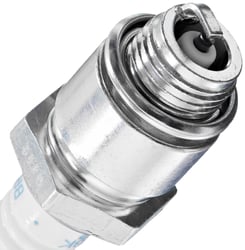
NGK Spark Plugs: Ceramic Engineering Behind Reliable Ignition
NGK Spark Plugs is one of the best-known names in engine ignition. The company was established in Nagoya, Japan, in 1936 as a spin-off of the spark plug division of NGK Insulators, and it began producing spark plugs the following year. Since then it has grown into a global supplier whose parts are found in everything from daily commuters to motorcycles, power equipment and race engines.
A Ceramics Company at Heart
The brand's strength comes from materials science. Spark plugs depend on high-grade ceramic insulators that survive extreme heat, pressure and electrical stress, and that same expertise carried NGK into sensors. The company added lambda (oxygen) sensors to its portfolio in the early 1980s as catalytic converters and emissions regulation became widespread. Its sensor products are often sold under the NTK name, a sister brand for technical ceramics.
Sensors That Keep Fuel Trim Honest
An NGK Spark Plugs oxygen sensor measures the oxygen content in exhaust gas and tells the engine computer whether the mixture is running rich or lean, so it can aim for the ideal 14.7:1 air-to-fuel ratio. A worn sensor can cause a check engine light, poor fuel economy and rough running. For newer vehicles with wideband technology, an NGK Spark Plugs air / fuel ratio sensor uses a five-wire design to monitor the mixture with greater precision than a conventional switching sensor.
The Complete Ignition Path
Spark delivery is a chain, and NGK makes many of its links. A NGK Spark Plugs ignition coil transforms battery voltage into the high voltage needed to fire the plug, and many applications use coil-on-plug designs. The direct ignition coil boot seals the connection between coil and plug, keeping out moisture and preventing voltage leaks. On engines that still use plug leads, a NGK Spark Plugs spark plug wire set carries current to each cylinder while suppressing electrical interference that could disturb onboard electronics.
What to Consider When Shopping
- Match parts to your exact engine code, not only the model year.
- Replace spark plug wires as a full set so resistance stays even across cylinders.
- Inspect coil boots and terminals for heat damage or corrosion whenever plugs are changed.
- Use the correct sensor type: zirconia, titania and wideband sensors are not interchangeable.
Beyond the core ignition and sensor lines, the brand also covers diesel glow plugs, iridium and platinum plugs, resistor caps for powersports, and a range of other sensors, making it a practical single source for tune-up and engine management work.