



Air Conditioning



ASA Electronics PXXMCOVERB Black Replacement Shroud Cover for Advent Air RV Air Conditioner


Coleman 8330A5221 Carrier to Coleman-Mach Air Conditioner Control Conversion Kit

 Representative Photo, actual item may vary


GE Appliances RGREC2A RV Air Conditioner Electronic Control Unit 4/5 Wire Direct Connect


Furrion 2024044601 Furrion Standard Single Zone Controller for Chill HE Low-Profile RV Air Conditioner Systems (R32) #FACC12ESPA2-BL-AM



Coleman 66336151 Duct Connector for Park Model RV Air Conditioner 10 Inch 4-Pack

Dometic 3312303005 Thermistor Wiring Harness Kit for Duo-Therm Penguin Air Conditioner


 Representative Photo, actual item may vary
Furrion FACC10MESA2-BL-AM Chill BTU RV Air Conditioner - 10 000 Black

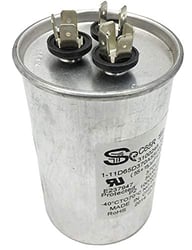

Leisuretime Products 15068 Universal A/C Roof Gasket Seamless Air Conditioner Seal


Furrion C-FACT12CA-PS-002 Replacement Filter Sponge for Air Conditioner


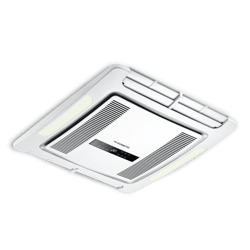
Dometic 9620006638 FreshJet FJX Air Distribution Box Spacer Kit for Thick RV Roofs


RVP Products 1499-5731 Run Capacitor 45 MFD 370V for Coleman RV Air Conditioner
 Representative Photo, actual item may vary
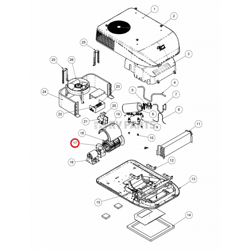
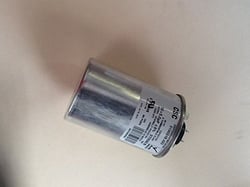
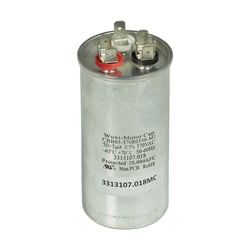
MC 3313107.018MC Dual Run Capacitor 50/5 MFD 370V for Dometic RV Air Conditioner
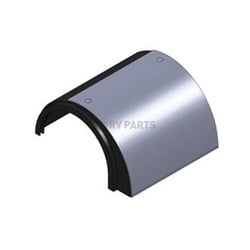
Coleman 47233A5151 Scroll Top Fan Housing Assembly for Mach 8 RV Air Conditioner
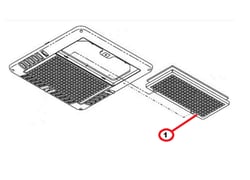
 Representative Photo, actual item may vary


MC 3312195.000MC Air Conditioner Motor Run Capacitor 60/5 MFD for Dometic Brisk II

Dometic 3310708007 Blower Wheel Service Kit for Brisk Air RV Air Conditioners
 Representative Photo, actual item may vary

 Representative Photo, actual item may vary


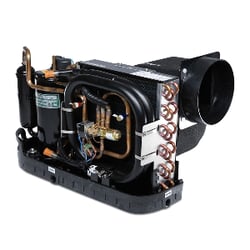

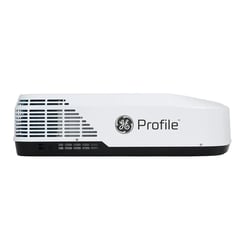
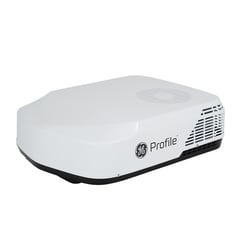
 Representative Photo, actual item may vary


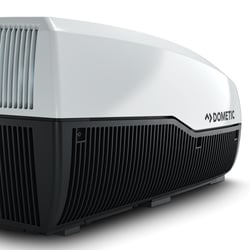
Dometic 9610007866 FreshJet 3 Mechanical 15,000 BTU Commercial Grade Marine Air Conditioner White
Marine & RV Air Conditioning: Stay Cool Wherever You Go
Whether you're spending long days on the water or living aboard during a summer cruise, reliable air conditioning isn't a luxury — it's a necessity. Marine and RV air conditioning systems are purpose-built to handle the demanding environments that standard residential or automotive units simply weren't designed for. Salt air, humidity, vibration, and the need for compact, efficient installation all make this a specialized category that rewards careful research before you buy.
What Makes Marine & RV Air Conditioning Different?
Unlike residential systems, marine and RV air conditioners must operate efficiently within tight spaces, often running on shore power, a generator, or even battery banks with inverter support. Many units are self-contained, combining the evaporator, condenser, and compressor into a single housing that can be mounted in a cabin overhead, under a berth, or in a dedicated compartment. Key specs to consider include BTU output (which determines how large a space a unit can effectively cool), voltage requirements (12V DC, 115V AC, or 230V AC depending on the application), and whether the unit is a reverse-cycle model capable of providing heat as well as cooling — a major advantage in shoulder seasons.
Ducted systems distribute conditioned air through a network of vents throughout the vessel or vehicle, while non-ducted units cool a single zone. For larger boats or multi-room RVs, multiple units or a central ducted system may be the right solution. Noise ratings, energy efficiency, and ease of installation are also important factors, especially for those doing a repower or retrofit rather than a new build.
Top Brands in Marine & RV Air Conditioning
When it comes to this category, a few manufacturers stand far above the rest in terms of engineering, support, and market presence.
- Dometic — Dometic is the dominant force in marine and RV climate control, offering a comprehensive lineup of self-contained, ducted, and reverse-cycle systems engineered specifically for mobile and marine environments. Their units are trusted by boat builders and RV manufacturers worldwide as OEM-standard equipment, which speaks to their build quality and long-term reliability.
- Coleman — Coleman brings decades of outdoor and mobile comfort experience to the RV air conditioning space, offering a wide selection of rooftop and through-the-wall units that are known for straightforward installation and dependable performance in a variety of climates.
- Furrion — Furrion has carved out a reputation for premium, technology-forward climate solutions, integrating smart controls and sleek design into their air conditioning lineup — a great choice for modern RV owners who want connectivity and style alongside cooling performance.
Choosing the Right Air Conditioning System
Before purchasing, measure your space and calculate the BTU load needed to cool it effectively — undersizing a unit means it will run constantly without reaching target temperatures, while oversizing leads to short-cycling and poor humidity control. Consider your typical power source, whether you'll need heat as well as cooling, and how much ductwork your installation can realistically accommodate. With the right unit matched to your application, you'll enjoy comfortable temperatures from the first warm day of the season through the last.