



Air Purifiers
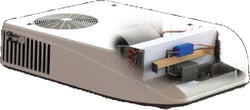
Coast Dist Sys (coleman Air) 472334601 Mach 8 Air Purifier with iWave-M Ion Generator

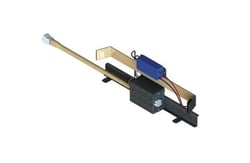

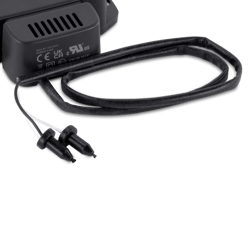

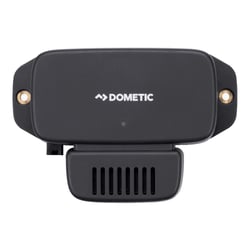

Why Air Quality Matters in Your RV or Boat
Life aboard a boat or RV is all about comfort, but confined spaces present a unique air quality challenge. Unlike a home with abundant ventilation, the compact cabins of motorhomes and marine vessels can quickly accumulate odors from cooking, pets, mildew, and damp conditions — not to mention airborne allergens, bacteria, and mold spores that thrive in warm, humid environments. A dedicated RV or marine air purifier is one of the most effective ways to maintain a healthy, fresh-smelling interior, whether you're anchored in a harbor or camped deep in the backcountry.
How RV and Marine Air Purifiers Work
Modern air purifiers designed for RV and marine use generally fall into two categories: standalone portable units and in-line systems that integrate directly with your existing HVAC or air conditioner. In-line purifiers are particularly popular because they treat all the air that circulates through your climate control system, reaching every corner of the cabin rather than just a single room. Many of today's top units use ion-generating technology — emitting positive and negative ions that react with airborne contaminants at the molecular level. This approach targets pathogens, mold spores, and odor-causing particles without producing ozone or other harmful byproducts, making it well-suited for the tightly sealed interiors found in RVs and boats.
Key Considerations When Choosing an Air Purifier
- Compatibility: In-line units must be matched to your specific AC model. Always verify fitment with your air conditioner's make, model, and profile (low, medium, or high).
- Purification method: Ionization, HEPA filtration, activated carbon, and UV-light technologies each address different contaminants. Consider what problems you're solving — odors, allergens, bacteria, or all of the above.
- Ozone output: Look for purifiers that are ozone-free or meet California CARB emissions standards, especially important in the small enclosed spaces of an RV or boat cabin.
- Maintenance: Some ionization-based units are essentially maintenance-free, while filter-based systems require periodic replacements. Factor in the total cost of ownership over the life of the product.
- Coverage area: Make sure the purifier's rated square footage matches the size of your RV or marine cabin for effective treatment.
Top Brands in RV & Marine Air Purifiers
Coleman is one of the most recognized names in RV climate control, and their iWave-M Ionic Air Purifier line reflects that expertise. Coleman-Mach has been recognized as an innovative product leader in the RV aftermarket, with the iWave-M Ionic Air Purifier earning a finalist spot for the RV Industry Association's 2021 Product of the Year Award. The system uses a state-of-the-art particle ionization method to create positive and negative ions that react to and break down pathogens, allergens, and particles without creating harmful byproducts like ozone.
Coast Dist Sys (Coleman Air) serves as a key distribution arm for Coleman-branded air quality products, making genuine Coleman-Mach accessories — including air purifiers — readily available to RV owners and technicians. RVers can enjoy clean, refreshing air with Coleman-Mach's air purifier that traps dirt, lint, dust, and other allergens that can quickly get into the RV from the campground or anywhere on the road.
Carrier brings more than a century of HVAC engineering to the air purification space. Founded in 1902 by Willis Haviland Carrier, the inventor of modern air conditioning, Carrier has been shaping the way we experience indoor comfort for over a century. Their air purification systems are designed to integrate seamlessly with HVAC systems, improving indoor air quality. That same systems-integration philosophy carries over to their air purifier offerings, making Carrier a trusted choice for boaters and RVers who want proven, durable air quality technology.
Breathe Easier on Every Trip
Whether you're battling the musty smell of a marina, pet dander on a cross-country road trip, or simply the stale air of a sealed cabin, the right air purifier transforms your mobile living space into a genuinely comfortable retreat. Explore the options below to find a unit compatible with your RV air conditioner or marine HVAC system.