



AM/FM Stereo Antennas
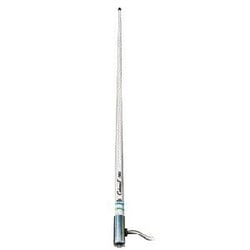

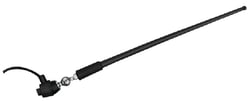
Anderson Manufacturing 95011-1 Peterson Universal Rubber Mast Antenna Black - 13

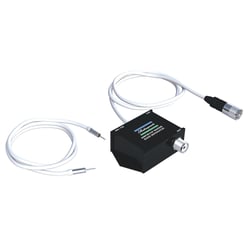
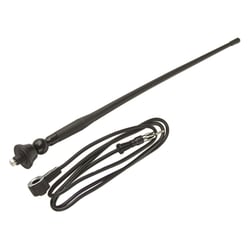

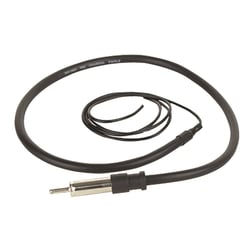
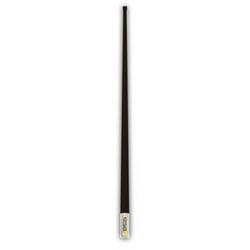
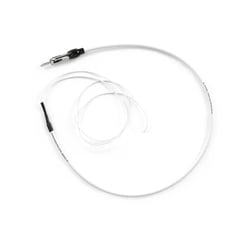

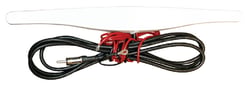
Seaworthy SEACAAMFM Marine Stereo Amplified AM/FM Antenna 12-3/4" with 60" Wire
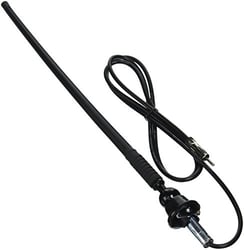
ASA Electronics 1181067 AM/FM Top or Side Mount Antenna with 90-Degree Adjustment

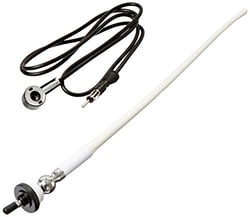
 Representative Photo, actual item may vary
 Representative Photo, actual item may vary
Scout PF AN NAMFM012T 4' Black AM/FM Marine Antenna Fiberglass Titan Series
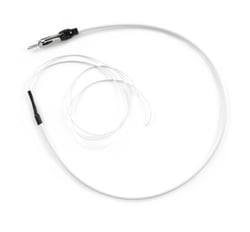

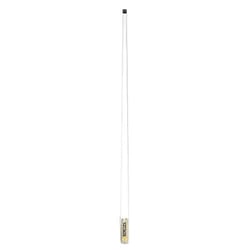

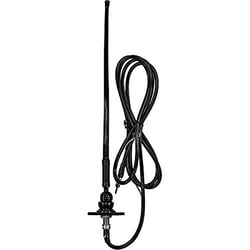
ASA Electronics 44US01R Jensen Rubber Mast AM/FM Antenna with Top or Side Mount
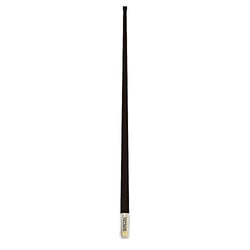
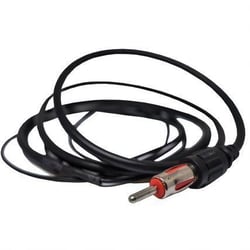

What Are AM/FM Stereo Antennas?
Whether you're cruising offshore on a summer afternoon or navigating a long highway stretch, a quality AM/FM stereo antenna is what stands between you and crystal-clear audio. These antennas capture broadcast radio signals across the AM and FM frequency bands and deliver them to your head unit — and when that connection is poor, so is your listening experience. Crackling static, lost stations, and weak reception are all signs that your antenna deserves an upgrade.
AM/FM stereo antennas are designed for a wide range of applications, from marine vessels and RVs to ATVs, motorcycles, and everyday passenger vehicles. The demands of each environment differ significantly: a boat antenna must contend with saltwater corrosion, moisture, and vibration, while an automotive antenna may need to withstand UV exposure and high-speed airflow. Choosing the right antenna for your specific application is just as important as the antenna's gain rating or cable length.
Types of AM/FM Stereo Antennas
The modern market offers several distinct antenna configurations, each suited to different mounting situations and performance goals:
- Mast Antennas: The most common style, these vertical whip antennas mount to the exterior of a vessel or vehicle and provide reliable omnidirectional reception. They come in lengths typically ranging from 3 to 8 feet — longer masts generally offer better reception range.
- Soft Wire / Dipole Antennas: Compact and discreet, these flexible wire antennas are ideal for below-deck or under-dash mounting where a traditional mast isn't practical. They plug directly into most factory or aftermarket stereos.
- Amplified Antennas: These include a built-in signal amplifier that actively boosts reception, making them an excellent choice for remote locations or areas far from broadcast towers.
- Glass-Mount Antennas: Designed to adhere to a windshield or other smooth non-metallic surface, these offer a clean, low-profile installation without drilling.
Key Considerations When Shopping
Before selecting an antenna, consider your mounting location, the cable length you need to reach your stereo, and whether you need corrosion-resistant materials for marine or outdoor use. Gain (measured in dB) is an important performance specification — higher gain means better ability to pull in distant stations. Connector compatibility with your head unit is also critical; most antennas use a standard Motorola-type plug, but always verify before purchasing.
Top Brands in AM/FM Stereo Antennas
Digital Antenna is a specialist in marine-grade antenna solutions, offering AM/FM stereo antennas that are assembled, tested, and tuned by hand in the USA. Their lineup features antennas in 4-foot and 8-foot configurations with 3dB gain and 15-foot cables, built with soldered connections, high-gloss urethane finishes, and 316 stainless steel ferrules for lasting durability on the water.
Jensen is a trusted name in marine electronics, offering a broad range of AM/FM antenna styles to suit nearly any installation. From low-profile soft wire dipole designs and flexible side-mount mast antennas to long-range amplified models built for remote boating conditions, Jensen products are designed and tested to endure vibration, UV exposure, humidity, and water spray common in demanding marine environments.
Boss Audio Systems rounds out this category with budget-friendly marine AM/FM antenna options that appeal to boaters and powersports enthusiasts looking for dependable reception without complexity. Boss Audio's broad catalog makes them a practical choice for first-time antenna upgrades and multi-application installations alike.