



Battery Cable
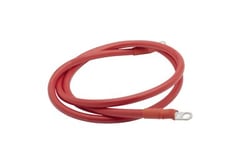

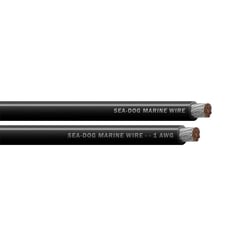
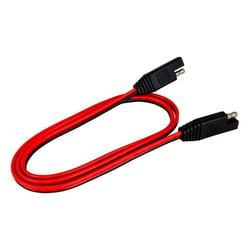
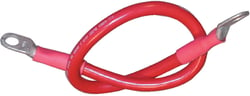

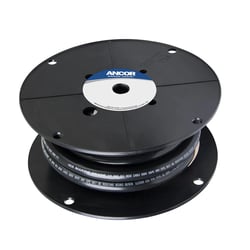
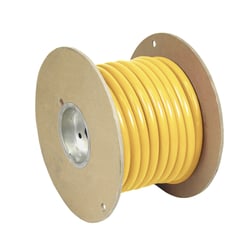

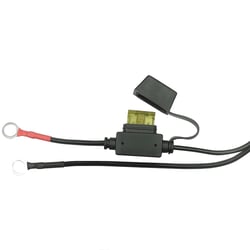
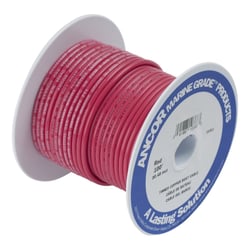
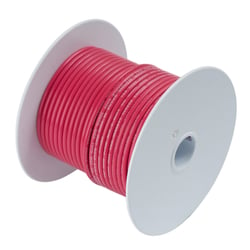




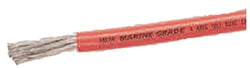
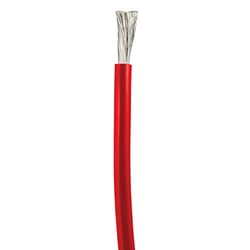

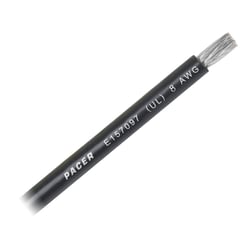
Pacer Performance WUL8BK-FT 8 AWG Marine Battery Cable Black Tinned Copper Wire
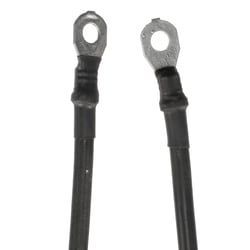
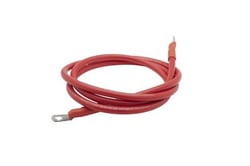
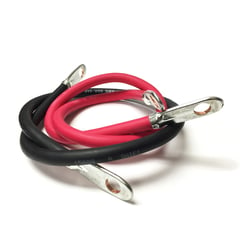
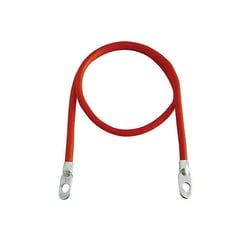
Quicksilver 8M0210761 Battery Cable Kit Set, 12 Ft. 4 Gauge Battery Cables w/ Terminal Ends, Set of 2

 Representative Photo, actual item may vary

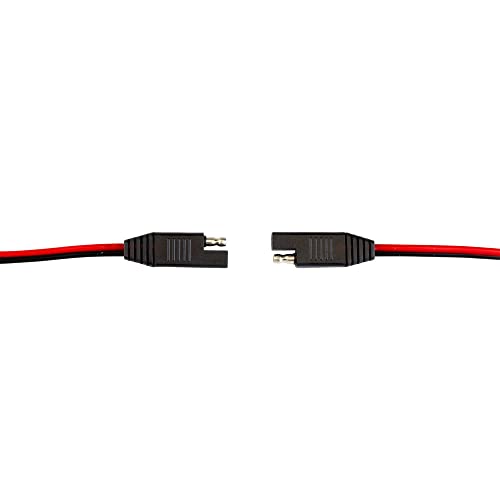 Representative Photo, actual item may vary
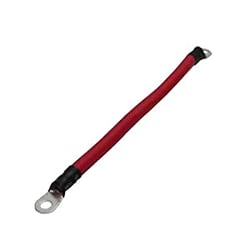
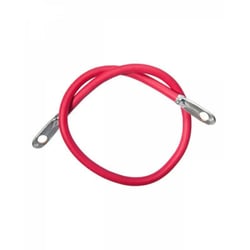
AIMS Power CBL01FT4AWGRED 4 AWG 1-Foot Red Jumper Cable for ANL Fuses 150A and Under
Why Battery Cable Matters on the Water and on the Road
Whether you're powering a bilge pump on a center-console fishing boat or running a house battery bank in a Class A motorhome, the humble battery cable is one of the most safety-critical components in your electrical system. Battery cables carry high current directly from your battery to every load on the vessel or vehicle — engines, electronics, lights, winches, and more. A cable that is undersized, corroded, or poorly terminated doesn't just cause voltage drop and sluggish performance; it can overheat and become a fire hazard.
What Makes Marine and RV Battery Cable Different
Standard automotive battery cable is not designed for the harsh realities of a marine or RV environment. Quality marine-grade battery cable is built with tinned copper conductors, which resist the corrosion caused by constant exposure to salt air, humidity, and bilge moisture. The insulation jacket is typically made from a flexible, oil- and abrasion-resistant material rated for both wet and dry locations. Look for cable that meets ABYC (American Boat and Yacht Council) and UL Listed standards to ensure it has been independently tested for safe use aboard a vessel.
Wire gauge is equally important. Battery cable is rated by AWG (American Wire Gauge) — the lower the number, the thicker the wire and the more current it can safely carry. Choosing the correct gauge depends on the length of the run and the amperage of the load. Longer runs or heavier loads always demand a heavier (lower-AWG) cable to minimize resistance and heat buildup. Common sizes for battery connections range from 6 AWG for smaller accessories up to 4/0 AWG for high-draw engine starting circuits.
Key Features to Look For
- Tinned copper stranding: Fine, multi-strand tinned copper provides both flexibility and corrosion resistance superior to bare copper.
- UL/ABYC compliance: Independently verified safety ratings appropriate for marine and RV installations.
- Flexible jacket: A supple outer jacket makes routing through tight spaces easier and holds up to vibration over time.
- Color coding: ABYC standards call for red positive and yellow-with-stripe or black negative conductors to prevent dangerous polarity mix-ups.
- Correct gauge for the application: Always consult an ampacity chart to match wire gauge to current draw and run length.
Top Brands in Marine & RV Battery Cable
Ancor is widely regarded as the gold standard in marine-grade wire and cable. Their battery cable lines feature finely stranded, tinned copper conductors with UL Listed, ABYC-compliant insulation, making them a go-to choice for professional marine electricians and serious boaters alike.
Sea-Dog Line has built a broad reputation across the marine hardware and accessories market, and their battery cable selection reflects that depth — offering a wide range of configurations suited to both recreational boating and working marine applications.
Seachoice is a trusted name in value-focused marine accessories, delivering solid, standards-compliant battery cable options for boaters looking to complete reliable wiring projects without overspending.
Pacer Performance brings automotive and marine wiring expertise to the table, offering a range of battery cables designed for high-performance and demanding electrical environments in both boats and RVs.
Rotary is a well-established supplier of replacement parts and components for outdoor power and marine equipment, rounding out the selection with dependable battery cable options for a variety of applications.