



Bird Deterrents

Protecting Your Vehicle From Avian Damage
Bird deterrents are specialized devices designed to prevent birds from landing, roosting, or nesting on vehicles. Whether you park your car under trees, store your boat at a marina, or leave your RV or commercial vehicle exposed to the elements, bird droppings can cause serious damage. The uric acid in bird waste is corrosive and can etch through clear coat and paint in as little as 24 to 48 hours, especially under hot or sunny conditions. Beyond cosmetic concerns, birds can also scratch mirrors, peck at reflective surfaces, and create unsanitary conditions that require frequent cleaning and potential paint restoration.
Why Bird Deterrents Matter for Vehicle Owners
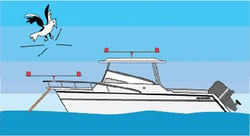
Birds are naturally attracted to vehicles for several reasons. Tall vehicles like trucks, SUVs, and RVs offer elevated perching points that provide excellent vantage for scanning their surroundings. Side mirrors are particularly attractive targets, as birds often mistake their reflection for a territorial rival or potential mate. Boats face even greater challenges, with gulls and coastal birds viewing them as convenient roosting sites when docked or moored. Professional vehicle owners—including car dealerships, fleet managers, and marine facilities—face ongoing maintenance costs from bird-related damage, making effective deterrents a practical investment rather than an optional accessory.
Types of Bird Deterrent Systems
Modern bird deterrents employ several proven strategies to discourage avian visitors. Motion-based systems use wind-activated rotating arms or vanes that create continuous movement, making birds uncomfortable about landing. These devices exploit birds' natural survival instincts—the unpredictable motion suggests potential danger, prompting them to seek alternative roosting sites. Visual deterrents utilize reflective surfaces, predator mimicry, or bright colors to create an unwelcoming environment. Some systems combine multiple approaches, using both movement and visual cues to maximize effectiveness. The most successful deterrents are those that can be easily installed and removed, allowing vehicle owners to deploy protection when parked and store the equipment during use.
Choosing the Right Bird Deterrent Solution
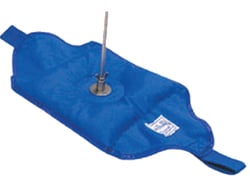
When selecting a bird deterrent for your vehicle, consider your specific parking environment and the types of birds causing problems. Marine applications typically require corrosion-resistant materials like anodized aluminum that can withstand salt water exposure. Automotive deterrents should be lightweight and portable, with non-scratch mounting options for paint protection. The coverage area matters too—a six-foot diameter sweep pattern may be sufficient for smaller vehicles, while larger boats or RVs might require multiple units for complete protection. Quality bird deterrents should operate without power, using natural wind energy to maintain constant motion even when you're away from the vehicle.
Top Brands in Vehicle Bird Deterrents
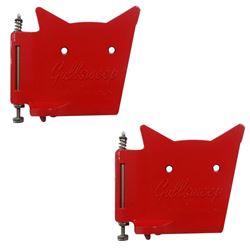
The bird deterrent market features several specialized manufacturers who understand the unique challenges of vehicle protection. Gullsweep has established itself as a leader in marine bird control, with decades of proven performance in protecting boats from gulls and coastal birds. Their rotating arm design and durable construction make them a trusted choice for boat owners worldwide.
Installation and Maintenance Considerations
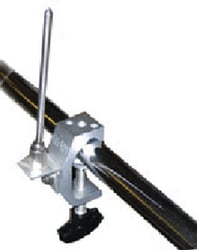
Effective bird deterrents require proper installation and occasional maintenance to remain effective. Most systems mount using simple brackets, flexible bases, or rail clamps that can be installed without drilling holes in your vehicle. The key is positioning the deterrent at an appropriate height and ensuring it remains level for optimal rotation. Regular cleaning of the rotating components helps maintain smooth operation, while periodic repositioning can prevent birds from becoming accustomed to stationary features. For best results, deploy deterrents consistently and clean any existing bird droppings promptly—residue signals to birds that a location is safe, potentially undermining your deterrent efforts.