



Blocks
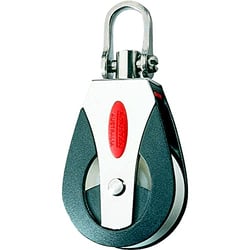

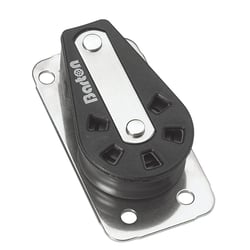

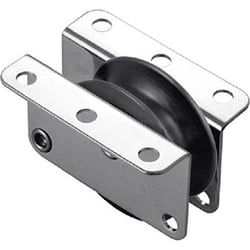
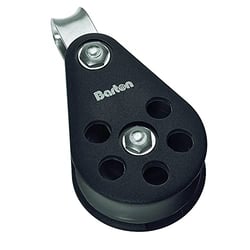
 Representative Photo, actual item may vary
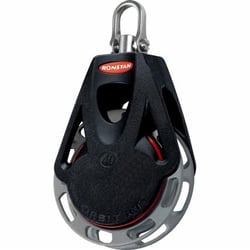
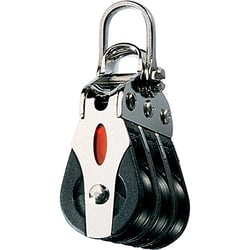

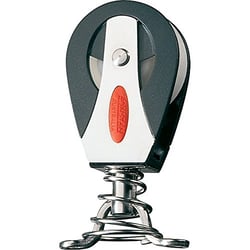
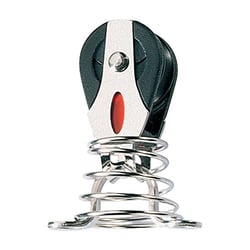
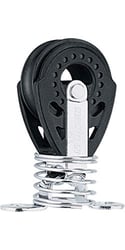
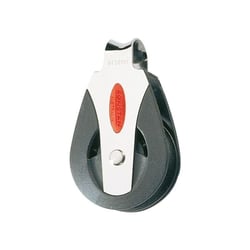
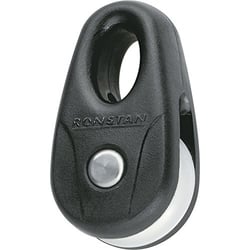
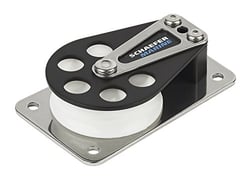

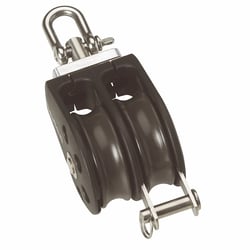
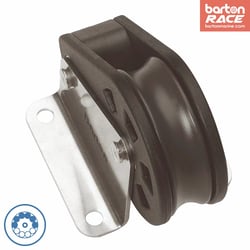
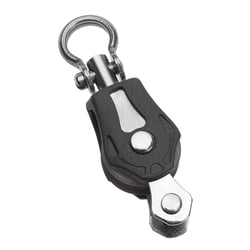
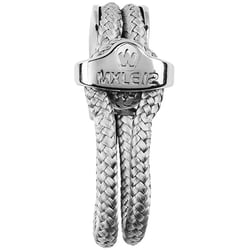
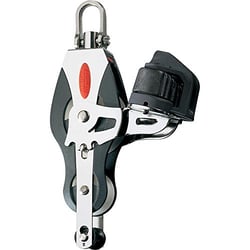
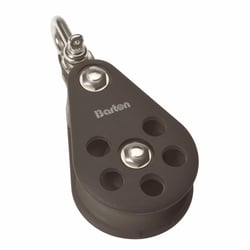
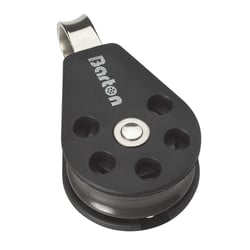
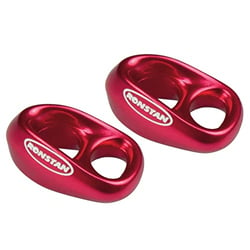
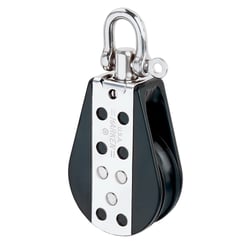
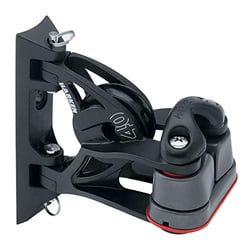
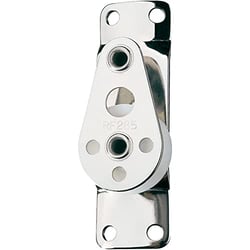
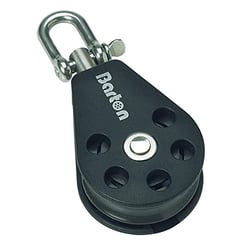
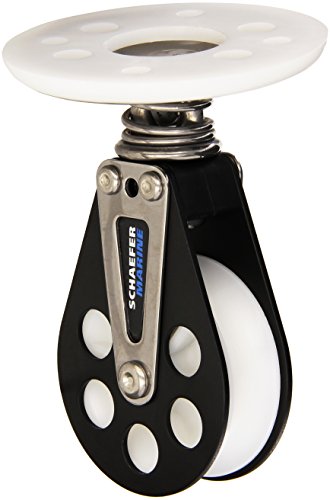 Representative Photo, actual item may vary
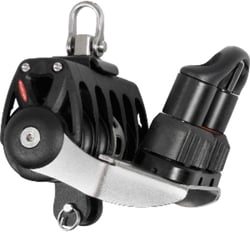
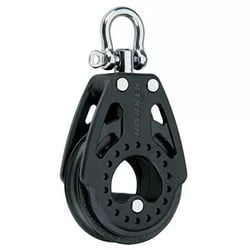
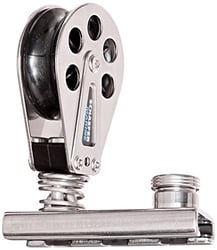
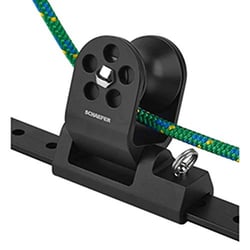
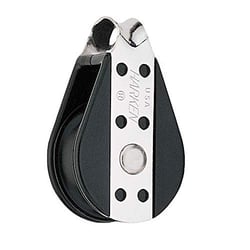
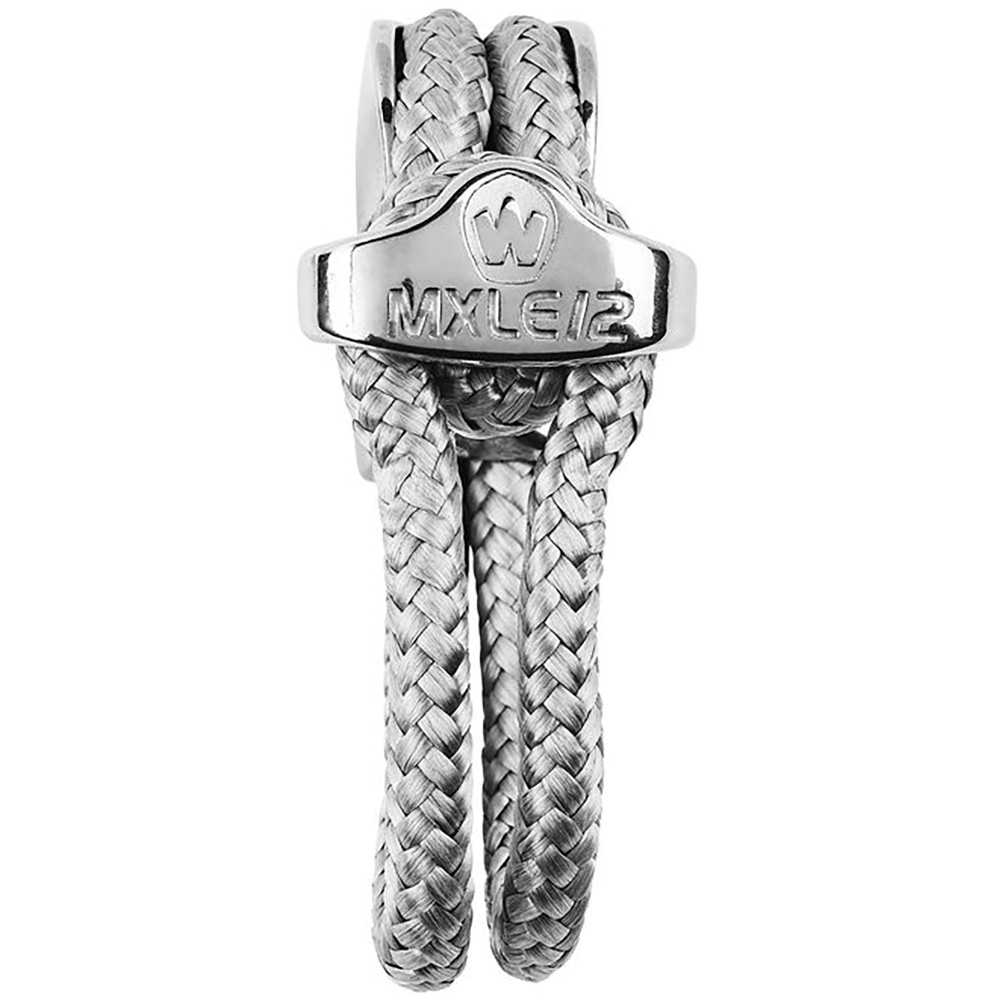 Representative Photo, actual item may vary
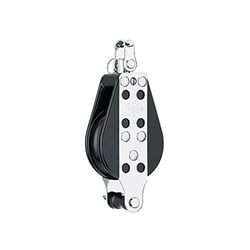
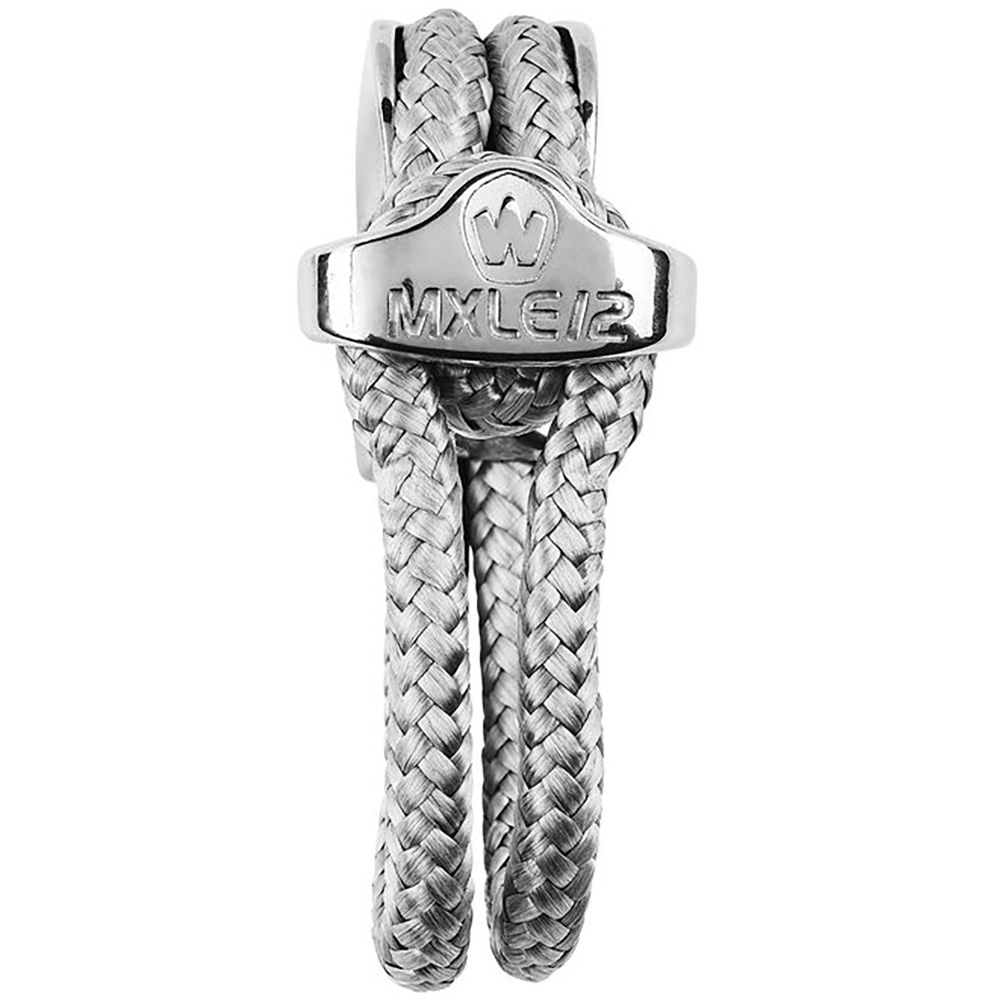 Representative Photo, actual item may vary
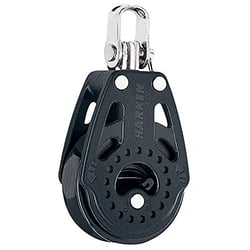
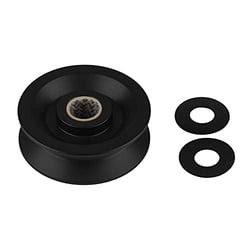
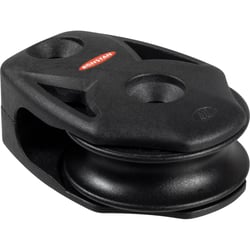
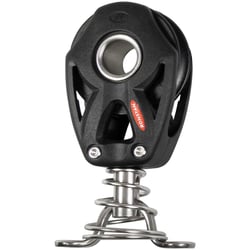
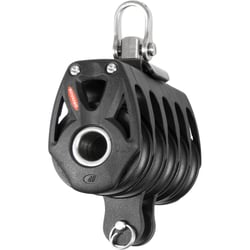
Ronstan RF48510 Series 40 Orbit Ball Bearing Quintuple Block with Becket and Swivel Shackle
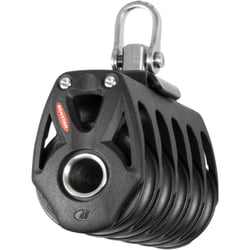
Ronstan RF48500 Series 40 Orbit Ball Bearing Quintuple Block with Swivel Shackle
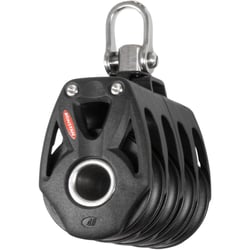
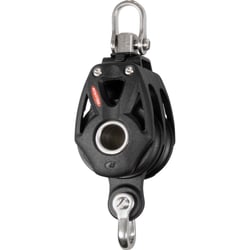
Ronstan RF48210 Series 40 Orbit Ball Bearing Double Block with Becket and Swivel Shackle
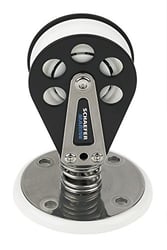
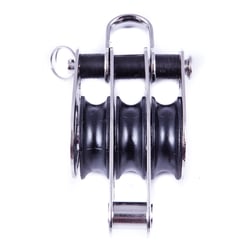
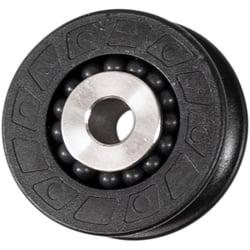
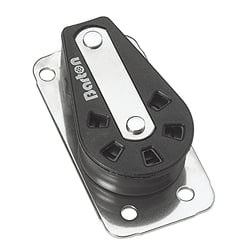
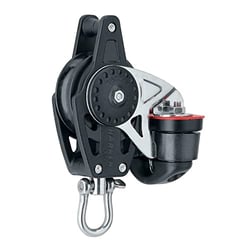
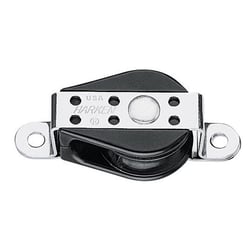
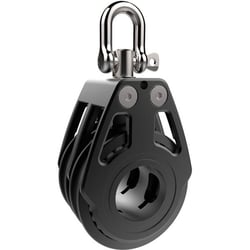
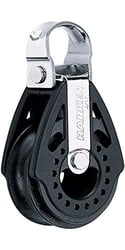
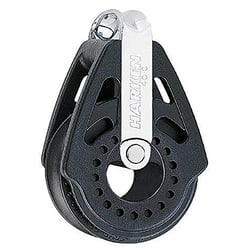
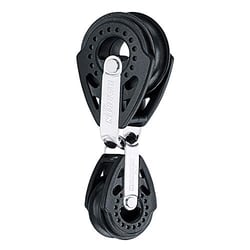
What Are Sailing Blocks?
Sailing blocks are one of the oldest and most indispensable pieces of hardware on any sailboat. At their core, a block is a nautical pulley — a wheel (called a sheave) housed within a frame that allows a rope or line to pass through with minimal friction. By redirecting lines and multiplying mechanical advantage, blocks make it possible for sailors to control sails, halyards, and sheets that would otherwise be impossibly heavy to manage by hand alone.
Blocks are found throughout a vessel's rigging system. From the base of the mast where halyards change direction from vertical to horizontal, to the cockpit where mainsheets and jib sheets are constantly trimmed, these compact components are working constantly under significant load. They're built to handle not just steady tension but the sharp, sudden shock of gusts and waves — all while exposed to saltwater, UV, and corrosion.
Types of Sailing Blocks
Not all blocks are created equal, and choosing the right type for each application is essential for safe, efficient sailing. Common configurations include:
- Single blocks – The simplest form, used to redirect a line from one point to another.
- Double and triple blocks – Feature multiple sheaves for more complex purchase systems and greater mechanical advantage.
- Snatch blocks – Feature an opening side plate that lets you drop a line in without reeving it through the whole system, ideal for quick rigging changes.
- Ratchet blocks – Include an internal mechanism that grips the line in one direction, reducing the effort needed to hold loaded sheets by hand.
- Fiddle and cheek blocks – Specialized configurations for specific lead and mounting applications throughout the rig.
Bearing Types: Plain vs. Ball Bearing
The bearing inside a block determines how it performs under different conditions. Plain bearings handle higher static loads and are well-suited to applications where lines move slowly or infrequently. Ball bearings, by contrast, spin with far less resistance and are better suited for dynamic, high-speed applications — such as sheets that are trimmed frequently — where smooth, fast line movement is critical to performance.
What to Consider When Shopping for Blocks
Selecting the right block means thinking beyond just boat size. You'll want to consider the expected load on each line, the diameter of the rope running through it, and where on the boat the block will be mounted. A block that's undersized for the forces it will face is a potential failure point — and on the water, that's a safety concern, not just an inconvenience. Always cross-reference the manufacturer's safe working load (SWL) and breaking load ratings for the lines and rigging you're working with.
Maintenance matters too. Rinsing blocks with fresh water after every sail, inspecting sheaves and bearings for wear, and lubricating moving parts periodically with a marine-grade lubricant will significantly extend service life and keep your rigging running smoothly.
Top Brands in Sailing Blocks
Lewmar is one of the most respected names in sailing hardware worldwide. With a product range spanning from plain-bearing Synchro blocks for everyday cruising to high-load Racing blocks machined from a single piece of aluminum, Lewmar brings decades of involvement in top-level yacht racing and superyacht development to every product they make. Their blocks are designed to ease sail handling for sailors at every level, from weekend cruisers to offshore competitors.