



Boat Alarm
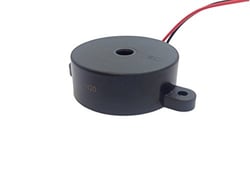

Why Every Boat Needs a Reliable Alarm System
A boat alarm is an electric device used to alert boaters to the existence of an abnormal situation. Whether you're tied up at the dock overnight or anchored offshore, conditions aboard a vessel can change in minutes — and the right alarm system is often the difference between a quick fix and a catastrophic loss. A reliable boat alarm system helps reduce the chance of unnoticed problems.
Types of Boat Alarms
Modern marine alarm systems cover a wide range of onboard hazards. Such alarms can detect many types of unusual situations including water in the bilge, a fire, an intrusion, unauthorized boat movement, excessive exhaust temperature, or an overfilled tank. Understanding which threats apply to your vessel helps you choose the right protection.
- High-Water / Bilge Alarms: Recommended by the American Boat & Yacht Council (ABYC), high-water alarms are now installed on all boats built to its standards. Modern marine bilge alarms are engineered for reliability in demanding marine environments and typically include audible warning buzzers that alert crew immediately when water reaches a preset level. BoatUS Marine Insurance has found that 69 percent of boats sink while at their dock — making an always-on bilge alarm one of the smartest investments you can make.
- Carbon Monoxide (CO) Alarms: A marine carbon monoxide detector is a specialized, life-saving device built to sound an alarm at the low levels of CO gas that can quickly turn fatal in a boat's confined spaces. The main sources of carbon monoxide are generator and boat motor exhaust. American Boat and Yacht Council guidance recommends carbon monoxide alarm coverage in the main cabin and each sleeping area.
- Gas & Vapor Detectors: Fuel vapors, propane leaks, and carbon monoxide buildup can accumulate in confined spaces such as bilges, engine compartments, and sleeping areas. Gasoline vapors are heavier than air and can collect in the bilge or other low areas of the boat — without proper detection, these vapors can create a fire or explosion risk.
- Security Alarms: Security alarms help protect valuable equipment and deter theft. Boat alarm systems can use wireless motion sensors and wireless door or window sensors, with wireless components reducing the amount of sensor wiring required and supporting placement at selected entry points or monitored areas.
- Fire Alarms: A fire alarm is connected to the fire detection system, which spots the presence of smoke or fire and alerts the crew to take appropriate actions. Fire alarms on vessels are equipped with audible and visual signals to ensure that the crew is promptly alerted.
Key Considerations When Choosing a Boat Alarm
Choose marine-rated equipment built for boat vibration, humidity, confined spaces, and changing temperatures. Standard household alarms are not designed for the constant moisture and motion of a marine environment and should never be substituted for marine-rated units. Match the detector to the hazard: carbon monoxide, smoke, heat, gasoline vapor, propane, or carbon dioxide.
Placement is equally important. Mount carbon monoxide detectors in the cabin and sleeping areas, since CO mixes with air. Mount propane and gasoline fume detectors low, near the bilge or where heavier-than-air vapors settle. For security alarms, wireless motion and door or window sensors support flexible placement aboard a boat.
Finally, don't overlook maintenance. Test alarms regularly and follow the manufacturer's installation, maintenance, and replacement instructions. Connecting your CO detection system with other safety equipment, like your bilge alarm, can further improve your overall safety — creating a comprehensive safety net that gives you early warnings of different potential hazards.