



Boat Cover Repair Products






Keep Your Boat Cover Working Hard for Your Vessel
A quality boat cover is one of the most important accessories a boater can own. Boat covers shield your vessel from UV rays, rain, salt spray, dirt, and debris — all of which can fade upholstery, crack gelcoat, corrode hardware, and degrade electronics over time. But even the toughest marine-grade canvas or vinyl cover takes a beating from the elements. Wind stress, chafing against cleats and rails, heavy rain pooling, and the relentless marine sun can all cause rips, tears, frayed seams, and loss of waterproofing. That's where boat cover repair products come in — helping you protect your investment without replacing the entire cover.
Types of Boat Cover Repair Products
Knowing which repair solution matches your damage type is key to a lasting fix. Here's a breakdown of the most common product types:
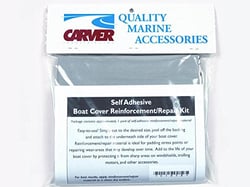
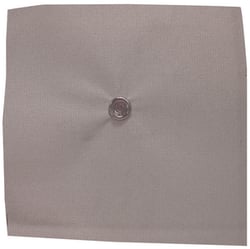
- Adhesive Repair Patches: Self-adhesive patches are among the most popular DIY repair solutions. Products designed for fabric covers (such as canvas, nylon, and acrylic materials like Sunbrella) use a flexible, watertight adhesive bond that stretches with the fabric rather than peeling off under tension. Vinyl-specific patch kits use a different formula suited to smooth, non-porous surfaces. Rounded corners on patches help prevent edge lifting over time.
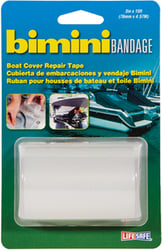
- Repair Tape: Heavy-duty waterproof repair tape offers a fast, temporary-to-semi-permanent solution for rips and punctures. Clear options blend seamlessly into most fabrics and are ideal for emergency field repairs on canvas, vinyl, bimini tops, and sail fabric. Tape is best used as a stop-gap measure to prevent a small tear from spreading while you prepare a more permanent patch repair.
- Sew-On Fabric Patches: For more structural damage, a sewn patch using color-matched marine-grade fabric provides the strongest, most durable repair. Using heavy-duty outdoor polyester thread rated for marine environments is essential — standard thread simply won't hold up to UV exposure and moisture over time.
- Waterproofing & Fabric Guard Treatments: Washing a cover — whether by hand or machine — can strip its waterproof coating. Waterproofing sprays and fabric guard treatments restore water repellency and UV resistance, and should always be applied after a thorough cleaning. These treatments help prevent mold and mildew buildup, which can degrade fabric fibers from the inside out.
- Seam Sealers & Adhesives: Seams are often the first place a cover fails, especially after years of flapping in the wind and UV breakdown of the thread. Marine-grade seam sealers and flexible fabric adhesives can reinforce or re-bond separated seams without requiring a sewing machine.
When to Repair vs. Replace
Before committing to a repair, it's worth assessing the overall condition of your cover. If the fabric is sound and the damage is isolated — a tear, small hole, or failing seam — repair products offer an excellent and cost-effective solution. However, if the cover is over a decade old or shows widespread UV degradation, fraying, or brittleness, a full replacement may be the better long-term investment. A simple tug test along seams and stress points can help reveal whether the underlying fabric still has life left in it.
Tips for a Long-Lasting Repair
- Always clean and completely dry the repair area before applying any adhesive patch or tape — dirt and moisture are the enemies of adhesion.
- Apply patches to both the inside and outside of the fabric when possible for maximum strength.
- Round the corners of any cut patch to reduce the chance of edge peeling.
- After any repair, reapply a waterproofing treatment to restore the cover's protective barrier.
- Inspect your cover regularly, especially after storms, to catch new damage early before small issues become big repairs.
Whether you're doing a quick field fix on the water or a thorough off-season restoration in the garage, having the right boat cover repair products on hand means your cover — and your boat — stay protected season after season.